Childhood Sweet Hearts

Pat and Jenny Rawlings and Rod Maudling had known each other for almost all their young lives. The two families had been close friends for as long as any of them could remember. They experienced their childhood years being pushed in their buggies by their mothers, their teen years playing together in the park, going to school and so many other things besides. 

Both families had hoped that Rod would end up marrying Jenny. So they were surprised when Rod and Pat started living together. Indeed, Pat’s father did not hide his disapproval. Both felt disappointed at this hurdle in their life. But Pat, always the philosophical of the two, told Rod – “Life is not about waiting for the storm to pass. It’s about learning to dance in the rain, to accept things as they are, to adapt to the situation and live as best you can.” So they set up house in another town and only occasionally visited their families. On the other hand, Jenny appeared to have overcome her disappointment over Rod and had since married. She was in fact expecting her first child and had asked Pat and Rod to be her godparents.

The christening of Jenny’s little girl was an occasion for members of both families to meet. For Pat and Rod, who had been away for some time, it was an ordeal. Even though Jenny had eventually found her love and settled down well with her husband, her father still resented that Pat took up with Rod and were living together. In fact he hardly spoke to both of them. When they returned home that Sunday evening after the christening, they resolved to continue living their life as they felt it. Both were in love with each other. They professed, during romantic moments, that they could not live without each other. “Love”, said Pat, “is that new feeling which surmounts any obstacles found along its path.”

Prior to settling down with Pat, Rod had a somewhat turbulent life–dropping out of college, changing several jobs, experimenting with drugs. But Pat had now stabilized his life. They were good together. “I just wish that I could turn the clock back,” said Rod. Pat looked at him directly and replied – “You will never be able to do that. Most of us have done things in our lives that we later regret and wish that they never happened. But Rod, what’s past is passed now.” These wise words encouraged Rod considerably. They felt like soothing balm on a fresh wound. He felt confident and ready to face anything. Pat’s words had that effect on him.

Their apartment, in the most fashionable area of the town, was tastefully furnished and decorated. Both were book worms and also loved operatic music. There were, naturally, books everywhere. They often relaxed reading or rereading a good classic story and later enjoy the music of Chopin, Verdi or Mozart. Evidently, both had good tastes. There were times, as always happens in life, when one of them, or both of them, felt somehow below par. That was when the genuine love and affection for each other become evident. Love is the strong bond that unified and fulfilled the lives of Pat and Rod.

The years rolled by. Jenny had another child. Pat’s father died and both Pat and Rod attended his funeral and wake. They mingled freely with the visitors accepting their condolences. It was on the day after, when his obituary, appeared in the local paper, that the neighbours raised a few eyebrows – “Jack Dawson, died on January 28 at the age of 70. He is survived by his wife Sue, his daughter Jenny and her husband John, his son Patrick and his partner Rod.

Jaħrab wara sejba ta’ pittura

altminn Charles B. Spiteri

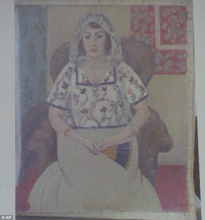
Ħażna ta’ aktar minn biljun lira Ingliża f’pittura għadha kif instabet fl-appartament malandat ta’ Cornelius Gurlitt fi Munich.

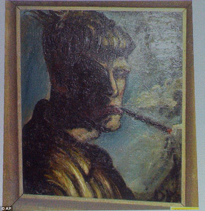
L-investigaturi rrappurtaw li fost il-pittura nstabu xogħlijiet mhux magħrufa ta’ Matisse, Marc Chagall u Otto Dix. L-uffiċjali tad-Dwana li sabu dawn ix-xogħlijiet ta’ pitturi ‘modernisti’, mill-ewwel ikkonfiskaw is-sejba mir-residenza ta’ Gurlitt, li għandu 80 sena.

Uħud mill-1,500 pittura – uħud minnhom b’valur eċċezzjonali – kienu rappurtati li nqerdu fin-nirien meta l-ajruplani tal-Alleati bbumbardjaw Dresden fl-1945.

altSiegfried Kloble, il-Kontrollur tad-Dwana fi Munich f’konferenza tal-aħbarijiet żvela li fost ix-xogħlijiet mhux magħrufa qabel hemm ‘self portrait’ ta’ Dix, maħsub li sar fl-1919; pittura ta’ mara, magħmul minn Matisse u xogħol allegoriku ta’ Chagall.

Il-kollezzjoni tinkludi wkoll pittura ta’ Picasso, Auguste Renoir, Henri de Toulouse-Lautrec, Max Beckmann, Max Liebermann, Ernst Ludwig Kirchner u Carl Spitzweg.

Appena l-pitturi kienu konfiskati, Gurlitt għeb, bil-pulizija tissuspetta li għandu flus bla rażan. Barra milli biegħ il-pittura ‘The Lion Tamer’, biegħ ħafna pitturi oħra – xogħlijiet li ma ġibdux wisq attenzjoni – qabel mal-uffiċjali tad-Dwana Ġermaniża, interveniet.
altaltalt

Il-Ġiżirana fl-Għalqa tal-Baruni

Ftit metri ’l bogħod mid-dar ta’ Elise u Luca kien hemm villa antika u kbira, li kienet maqtugħa mid-djar l-oħra. Fil-faċċata tagħha mhux biss kienu jispikkaw iż-żewġ kolonni m’għola sular bis-salib ta’ Malta mpinġi fuqhom, iżda anki r-rixtellu iswed miksi bis-sadid. Fuq in-naħa ta’ wara tal-villa kien hemm għalqa miżgħuda bis-siġar tal-frott. Kien faċli li wieħed jidħol fiha għax kulma kellu jagħmel kien li jaqbeż ċint m’għola xibrejn.

Il-villa u l-għalqa ta’ warajha kienu ta’ ċertu Baruni Magro Conti, li kien wiritha minghand missieru. Iżda billi tfal ma kellux, kollox tħalla mitluq wara mewtu. L-għalqa kienet saret il-post tal-mistrieħ għar-residenti tal-madwar u għat-tfal tagħhom, li kienu jmorru jilagħbu fiha u jaqtgħu l-frott fil-ħin liberu tagħhom.

Għodwa waħda, Luca u Elise ma kellhomx skola għax l-għalliema tagħhom kellhom laqgħa importanti. Il-homework kienu lestewh il-jum ta’ qabel u ma kinux jafu kif se jqattgħu l-ġurnata. Malajr ġiethom idea brillanti. Wara li ħadu l-kolazzjon niżlu sal-għalqa tal-Baruni fejn xi kultant kienu jiltaqgħu ma’ sħabhom għal xi logħba noli. Il-mamà ma qaltilhomx le ħalli jħalluha ftit fil-kwiet. Fl-għalqa ma kien hemm ħadd dak il-ħin u għalhekk setgħu jiġru ma’ kullimkien bil-kumdita`. Iż-żiffa ta’ Mejju bdiet tħabblilhom xagħarhom huma u jiġru, u jidħku ferħanin qishom żewġ għasafar meħlusin mill-gaġġa. Kienu ilhom ma jieħdu gost daqshekk fil-kumpanija ta’ xulxin għax l-istudju kien dejjem jillimitalhom il-ħin.

F’daqqa waħda, Luca rifes xi ħaġa iebsa u kieku ma qagħadx attent, kien jaqa’ fiha. Għelbitu l-kurżità biex jara x’kienet, u ġab għajnejh wara widnejh meta, minn qalb il-ħaxix salvaġġ, ġabar ġmiel ta’ ġiżirana bir-rubini kbar u ħomor ta’ kull daqs u għamla. It-tifel ħassha tqila f’idejh u xħin urieha lil oħtu hija wkoll baqgħet miblugħa. Marru jiġru dritt biha għand il-mamà u hija baqgħet sejra biha l-għassa tal-pulizija. Wara xi stħarriġ, irriżulta li xi ftit ġimgħat qabel, xi ħadd kien daħal fil-villa tal-Baruni u seraq xi ġojjelli. Il-ġiżirana tar-rubini kienet waqgħet fl-għalqa filwaqt li l-ħallelin kienu qegħdin jaħarbu minn hemm. Is-sejba li kien għamel Luca ġiegħlet lill-pulizija jitfgħu rashom fuq il-każ bis-serjetà.

X’ma jifirħux Elise u Luca meta ftit tax-xhur wara ħarġet l-aħbar li kien tkisser ċirku ta’ ħallelin li kien qiegħed jiffrekwenta n-naħa tagħhom! Kull wieħed minnhom kiel ikla ħabs talli kien wettaq diversi serqiet. Tassew li l-qawl jgħid li d-dnub ma jorqodx għax illum jew għada min jagħmel il-ħażin irid ipatti qares ta’ għemilu.

Jiltaqgħu kawża tal-evakwazzjoni fi żmien il-gwerra

altminn Charles B. Spiteri

Il-koppja Saver u Olga Camilleri minn Ħ’Attard jistgħu jgħidu li l-aħħar gwerra dinjija kienet katalista biex laqqgħethom flimkien, iżżewġu u ilhom flimkien għal 69 sena.

Olga, flimkien mal-ġenituri u ħutha – li kienu 13, kienu joqogħdu Tas-Sliema, iżda fi żmien il-gwerra spiċċaw evakwaw ruħhom u sabu refuġju Ħ’Attard, f’dar – quddiem il-Villa ta’ Strickland – li serviethom ukoll bħala xelter. Imbagħad, ommha kellmet lill-Kappillan Balzan, li kien minn Tas-Sliema, u tahom joqogħdu fil-kappella u s-Sagristija tal-Museum ta’ Ħ’Attard. Kien hemm numru ta’ familji, li ħadu kamra kull wieħed.

Wara krew mezzanin fit-triq tar-Rabat, li kellha xelter ukoll. Damu fiha xi sitt xhur, għax twaqqgħet fl-attakki tal-għadu. Minħabba f’hekk allokawhom fil-knisja tas-Salvatur, li kienet faċċata tad-dar fejn kienu. Wara xi tmint ijiem, il-knisja wkoll twaqqgħet mill-bombi tal-għadu u hi, ħutha u l-familja spiċċaw mirdumin taħt l-art, għax ix-xelter tal-knisja kellu bokka waħda, li ġiet imblukkata. Madankollu ħadd ma weġġa’ bil-goff, u ġew salvati mill-ħaddiema tas-salvataġġ.

Saver minn dejjem kien joqgħod Ħ’Attard u jirrakkonta li kienu familja ta’ ħamsa min-nies: missieru u ommu, hu u żewġt aħwa bniet. Iżda fi żmien il-gwerra u f’temp ta’ tliet snin mietu l-ġenituri tiegħu u oħtu l-kbira.

L-introduzzjoni

Darba, waqt li kien f’passiġġata mal-kuġina tiegħu Carmelina, li llum tinsab l-Amerika, lemaħ lil Olga u talabha tintroduċih magħha. Din qablet max-xewqa tiegħu u qalet lil Olga li kuġinuha xtaq ikellimha. Min-naħa tagħha, Olga weġbitha li lesta tkellmu iżda bi prova, għax ħasbet li l-kuġin li qaltilha bih Carmelina, kien ġuvni ieħor. Dan kollu seħħ fl-1944.

Għal dawk is-snin, in-namur kien ikun l-ewwel pass għall-ħajja tal-imħabba, fejn in-namrati jippjanaw biex jagħtu l-aħbar lill-ġenituri. Saver jgħid li madankollu, fin-namur tagħhom kien diġa’ beda jidħol fid-dar tan-namrata. Miegħu kien jieħu lil oħtu iżgħar minnu Ġuża, għax huma biss kien fadal mill-familja. Missier u omm Olga, li sadattant kienu saru jafuh sew, ma oġġezzjonawx għall-imħabba ta’ binthom lil dan il-ġuvnott.

Bħala namrati kienu jitħallew joħorġu flimkien, bil-patt li fis-7.30 p.m. ikunu rritornaw id-dar. Kienu jmorru passiġġata sal-istazzjon tal-ferrovija f’Ħ’Attard u xi kultant, nhar ta’ Sibt jew Ħadd imorru jaraw xi film il-Prince inkella r-Roxy, Birkirkara. Il-films kienu jintemmu fit-8.00 p.m. iżda għal okkażjonijiet bħal dawn kienu jkunu permessi jittardjaw dik in-nofs siegħa. U jmorru fejn imorru, magħhom kienu jieħdu lil oħtu Ġuża u lil waħda minn ħut Olga.

Xi xhur wara ħadu l-għerusija, fejn xtraw iċ-ċrieket u tawhom lil xulxin. Riċevimenti ma kinux jeżistu, peress li kien żmien il-gwerra.

Wara sena u erba’ xhur mindu ltaqgħu, ħasbu li jiżżewġu. Kellhom l-ewwel dar tagħhom fi Triq San Antnin, Ħ’Attard stess. Olga tiftakar sew li l-libsa tat-tieġ tagħha, li kienet simili għal dawn ta’ llum, kienet bagħtithielha zijitha mill-Amerika. Saver, li kien daħal minn jeddu mal-Air Force biex ma jinġabarx bil-lieva u jispiċċa fl-Armata – li ma kellux grazzja magħha, kien ħa kors mal-Uffiċċju tal-Posta u daħal bħala Postal Clerk. Naturalment, kellu l-uniformi u allura, dak iż-żmien, kulmin kien jaħdem mal-Ingliżi u kellu uniformi, kien obbligat jiżżewweġ biha.

Għallmu u żewġu

Saver u Olga żżewġu fid-29 ta’ April, 1945 fil-Parroċċa Santa Marija ta’ Ħ’Attard. Żewwiġhom Dun Pawl Said, li lil Saver kien jgħallmu meta kien għadu student is-Seminarju. Wara ż-żwieġ, il-miżżewġin friski rikbu l-karrozza u marru l-Ħamrun għand Cassar Photo Studio, biex jiġbdilhom ir-ritratt tal-okkażjoni. Kienu marru bil-biża’ fuqhom, minħabba li l-attakki tal-gwerra kienu għadhom jimmiraw fuq Malta. Mill-Ħamrun telgħu d-dar tal-ġenituri ta’ Saver, fejn kellhom riċeviment familjari u kienu mistednin xi ħbieb.

Għat-tieġ, Saver kellu ħabib li sablu tliet mużiċisti li marru jdoqqulhom u ħolqu ambjent ferrieħi fost il-mistednin.

Minkejja li kien żmien il-gwerra, Saver u Olga marru għal qamar il-għasel f’lukanda Birżebbuġa, li kienet ta’ Dowling.

Lura fid-dar matrimonjali, bdiet ħajja ġdida għall-koppja Camilleri, li xxettlet bl-ulied. L-ewwel ma kellhom kien lil Philip, armel ta’ Nathalie u għandu tlett itfal: TracyAnn, Adrian u Audrey. Imbagħad kellhom lil Tony, li hu miżżewweġ lil Rosemary u għandhom żewġt itfal: Stefan u Michelle.

Saver, li serva fl-Air Force għal 26 sena, kellu jsiefer fuq ix-xogħol tiegħu. Dan għamlu fl-1949. Ħadem fil-Lvant Imbiegħed, fil-Lvant Nofsani, fl-Ingilterra u f’Ċipru. Meta kien l-Ingilterra, martu Olga kienet miegħu u hemm tweldilhom Peter, li llum hu miżżewweġ lil Irene u għandhom tlett itfal bniet: Hayley, Ashley u Natasha.

Fl-aħħar, Saver u Olga kellhom lil binthom Maria, illum miżżewġa lil Francis Pisani u huma l-ġenituri ta’ Ephrem u Victoria. Maria twelditilhom f’Aden, fejn marru għal sentejn minħabba s-servizz ta’ Saver. Illum, Olga u żewġha huma bużnanniet ta’ żewġ pro neputijiet, li huma Maria u Harley.

Meta Saver iħares lura lejn ħajtu jiftakru jwettaq ix-xogħol mitlub minnu mill-Air Force, tant li l-aktar li għandu għal qalbu huma l-medalji kommemorattivi li ngħata u li apparti milli jilbishom f’ċerti okkażjonijiet, huma esebiti f’vetrina.

Medalji kommemoratti

Għas-servizz li ta, Saver irċieva l-Africa Star, id-Defence Medal, Il-Long Service u Good Conduct Medal, żewġ General Service Medals, mogħtijin f’perijodi differenti u l-Victory Medal . Barra minhekk għandu medalja oħra mogħtija mill-Gvern Malti lil dawk li taw servizz f’Malta.

Mitluba tirrakkonta fuq id-differenza bejn il-ħajja ta’ tfulitha u dik ta’ llum, Olga tgħid teżisti differenza kbira. Illum hawn ħafna aktar divertiment. Dari, biex familja tiddeverti kienet tmur għal xi opra milli kienu jiġu Malta, u li kienu jkunu preżentati fil-Gaeity jew fir-Radio City, il-Ħamrun.

Il-ħajja tal-mara tbiddlet ukoll u b’rata mgħaġġla. Dari, mara miżżewġa kienet tieħu ħsieb id-dar u lil uliedha, meta mhux ukoll lill-ġenituri. Illum, mhux talli kulħadd jirsisti biex joħroġ jaħdem, talli qed tinbet il-pika bejn il-miżżewġin għax f’xi każi l-mara taqla’ aktar flus minn żewġha. U dan qed joħloq il-problemi u ġieli jwassal għas-separazzjonijiet.

Olga hi tal-fehma li problema ewlenija oħra fost il-miżżewġin ta’ llum hi ma jafux jistennew. Iridu kollox fil-pront, sew f’kulma jeħel ma’ moħħhom kif ukoll f’dik li tiqies bħala lifestyle u oġġetti tad-dar.

Forsi problema oħra li l-koppja Camilleri tara fit-tfal li telgħin illum hi n-nuqqas ta’ ħeġġa li għandhom għall-attivitajiet b’rabta mar-ruħ. Hawn numru kbir ta’ żgħażagħ tal-ġabra u li jagħtu sehemhom kollu b’riżq il-proxxmu, iżda hawn numru ieħor li huma berdin għall-ħwejjeġ tal-Knisja.

Olga tirrakkonta li meta kienet żgħira, qatt ma kienet titlef quddiesa u din id-drawwa sabiħa għaddietha wkoll lill-erba’ uliedha. Tiftakar żmien meta kienet tattendi quddiesa b’xi tarbija milli kellha fi ħdanha. Illum, li qabżet it-80 sena, tmur mill-inqas darbtejn fil-ġimgħa. Żewġha Saver kien l-istess, u jgħid li anki meta kien imsiefer, kien ifittex biex jara fejn kienet se titqaddes xi quddiesa, ħalli ma jitlifhiex.

Passiġġier

alt

F’Malta u Għawdex m’aħniex imxaqilbin fuq il-mixi jew is-sewqan tar-roti; għalkemm hawn ġibda u xewqa u ħajra għaċ-ċaqliq tal-ġisem: tlielaq, roti. Maratona li seħħet fit-22 ta’ Frar 2015. Hemm waqtiet fejn ikollna nħallu l-karozza u nimxu: il-mixi hu sagrosant, bih ngħixu, bih niltaqgħu, tajjeb li niftakru u nwettqu mġiba ta’ ħarsien.

Int u miexi ħares ’l hemm u ’l hawn. Ara fejn miexi ħaddieħor, tiqafx titkellem taħt il-bankini; hemm jgħaddu l-karozzi suppost jarawk u jevitawk. Imma mhux kull sewwieq ta’ karozza jagħmel hekk.

Ara daqsxejn il-gazzetti, isma’ r-radju jew televizjoni u tintebaħ kemm tfal, żgħażagħ, mdaħħlin fiż-żmien ħallew ħajjithom jew huma u jaqsmu fuq il-faxxi bojod tat-traffiku jew fuq bankini jistennew tal-linja u dak li qabel kien ġisem sabiħ u b’saħħtu jew jgħaddi, issa jinsab mkisser jew bla ħajja.

Ħadd ma jaħsillek wiċċek biex tkun aħjar minnu u anqas fit-toroq u fuq il-bankini. Ħu ħsieb saħħtek, ilbes ħwejjeġ jixegħlu bil-lejl fejn tagħti fil-għajn u tidher: b’hekk sewwieqa ta’ karozza u roti jarawk. Taqsamx bl-addoċċ! Ieqaf u ħares u erġa’ ħares. Aħjar uff milli ahh. Saħħtek tiswa: ħarisha u ħalliha sħiħa.

Is-Saħħa t-tajba !

L-irbit tal-mażżri u x-xħit fil-baħar

altminn Charles B. Spiteri

Waqt prietka kontra l-korruzzjoni, il-Papa Franġisku kien ferm iebes, u kkowta passaġġ mill-Evanġelu skont San Luqa, fejn Ġesù qal lil xi midinba, li ħaqqhom jintrabtu ma’ mażżra u jinxteħtu fil-baħar.

Din tqieset bħala omelija mill-aktar qawwijin lill-Insara, minn meta f’Marzu li għadda, kien elett il-Papa Arġentinjan. Hu enfasizza li min qed jgħaddi ħajja ‘doppja’ billi jagħti l-flus lill-Knisja waqt li jisraq lill-Istat, ikun qed jidneb u ħaqqu jkun ikkastigat.

Waqt li ma aċċennax direttament għall-korruzzjoni fi ħdan il-Knisja Kattolika, ir-rimarki tiegħu saru ftit jiem wara li faqqa’ skandlu f’ordni reliġjuża antika, marbuta mal-Vatikan. Madankollu l-Papa wera li hu determinat jieqaf lill-korruzzjoni u jeqred irregolaritajiet finanzjarji li sa tappnu lill-Bank tal-Vatikan.

Hu ddeskriva wkoll lin-nies imdaħħlin fil-korruzzjoni bħala ‘oqbra mbajda’ u qal li “minnbarra jidhru sbieħ, iżda minnġewwa huma gozz għadam mejjet u jinten.

Hu magħruf li l-Papa Ġiżwita kapaċi jkun ġentili f’diversi suġġetti sensittivi, bħall-omosesswalità u d-divorzju, iżda sa minnmeta ġie maħtur f’Marzu li għadda, il-prietki u l-omeliji tiegħu dejjem inkludew kliem iebes u referenzi għall-ħidma tax-Xitan.

Papa Franġisku għamel dawn ir-rimarki waqt il-quddiesa ta’ filgħodu f’Casa Santa Marta, id-dar għall-mistednin fil-Vatikan, fejn għażel li jgħix wara li rrifjuta l-appartamenti aktar kbar fin-naħa l-oħra tal-Bażilika ta’ San Pietru.

Kienet it-tieni darba fi ftit jiem, fejn hu attakka l-ħażen tal-korruzjoni. L-ewwel darba mar kontra l-Kattoliċi li stagħnew mill-korruzzjoni politika biex saħansitra jixtru rigali lil uliedhom u jibagħtuhom fi skejjel li jiswew ħafna flejjes.

L-aktar skandlu riċenti li laqat lill-Knisja Kattolika kien żvelat ħmistax ilu, fejn Dun Renato Salvatore ta’ 58 sena, u li jmexxi ordni reliġjuża ta’ 440 sena, kien arrestat fuq suspett li ħoloq xnigħat foloz kontra żewġ saċerdoti li kienu kontra n-nominazzjoni tiegħu biex jerġa’ jingħażel bħala s-Superjur Ġenerali tal-Camilljani, jew aħjar l-Ordni tal-Ministri tal-Morda.

Dun Salvatore kien magħżul għall-kariga mill-Papa Benedittu XVI biex jipparteċipa fis-sinodu ġenerali tal-isqfijiet f’Ottubru tas-sena l-oħra; ħames xhur qabel mal-Papa Ġermaniż iddeċieda li jirriżenza mill-papat.

The Case of the Missing Wife

George Hurley and his petite blonde wife Rebecca never saw eye to eye. They had been married for ten years but their union was always turbulent. They quarreled practically every day and neighbours heard their shouts and accusations even during the night. George and Rebecca Hurley’s marriage was definitely not a happy affair.

They had two children; a boy and girl, now five and six respectively. Neighbours wondered how they found time to make love. “Probably”, some said ironically, “they must have been drunk at the time!” Others said that maybe both children were the result of Rebecca’s many extra-marital affairs.

It was undeniably true that while George was at work, Rebecca was entertaining other men. This was no secret as practically everybody in town knew of her exploits. As also did her husband, of course. She did not hide what she was doing and did not care a penny who knew of her love affairs.

One day Rebecca was reported missing. She was not seen for a whole week while her husband continued as if nothing had happened. She was reported missing not by her husband but by the neighbours. When questioned by the Police, George told them that it was not the first time that she walked out of the house and returned some days later. He also told them that he was glad to have got rid of her. But the Police were not convinced. They continued with their investigations to see what had happened to Rebecca Hurley. They discovered that George had told his children, when they had asked him about their mummy, that she has gone away and maybe would not return back.

Neighbours reported to the Police that George had made a large bonfire in his back-garden where they saw him burn Rebecca’s clothes. Furthermore, the Police also learned that someone with a detailed knowledge of the missing woman’s bank accounts had forged her signature and took everything out of her savings accounts. The Police found that George had tapped the telephone at home to record conversations between Rebecca and her lovers. The Police inspector questioned him thoroughly. They told him that they knew that his wife had a string of lovers and was a bad wife. “We can understand that sometimes pressure like that can drive a man to murder,” he told George. But he denied murder or that he knew what happened to his wife.

George Hurley, who had a history of poor health and heart ailments, never faltered once during the long sessions of interrogations. Although they pressed him, the Police did not want to use excessive pressure because of his health condition. The Police dug out his garden and searched his bungalow and surroundings in an attempt to find the body but they did not find any clues whatsoever. They knew that circumstantial evidence pointed directly at him – the frequent quarrels; the fact that he did not report her missing; that he told his children that their mother would not return; that he burned her clothes in the garden; that his wife’s bank accounts were withdrawn by an unknown person with intimate knowledge of her particulars.

But where was the body? Unless the Police found the body and examined it for clues like fingerprints, they would have difficulty in putting up a case of murder against him. But they did not lose heart. They went to the bungalow again. They ripped the floorboard, probed the brickwork for hidden cavities, scanned the gardens around the house using tracker dogs and plugged lakes, streams and ponds in the vicinity. They interrogated him repeatedly hoping that he would finally break down and admit to the murder. But they did not find anything and he did not admit. George had told the Police that she had walked out of the house and he did not know where she was. In the circumstances, the Police through newspapers, television and radio, issued calls for her or for people who might have seen her, to contact them immediately. But they failed to produce any response either from the missing woman or from people who might have seen her. The Police were therefore convinced that she was murdered and her body was hidden somewhere. 

After three months, George Hurley could not stand it any longer. He was under continuous pressure from the Police and shunned by his neighbours. Everybody was convinced that he had murdered Rebecca. No, he did not admit to the murder but he died of a heart attack. The murder inquiry on Rebecca Hurley was closed, the Police case file was marked ‘suspect deceased’.

George Burley’s funeral after the ceremony was carried out in a quiet chapel outside the town. The police saw no useful purpose to attend. They never saw the wreath besides his coffin with the strange message – “Have a nice flight to Paradise George – R.”
When the funeral service was over, the last prayers said, the earth sprinkled on top of the coffin, the stone slabs laid down and the grave closed and sealed, none of the few people present noticed the petite blonde woman across the road who, with a broad smile on her face, turned and went away.

The Survivors

I looked forward to meeting my two friends Shirley and Norma at the restaurant on the High Street this morning. I put on my favourite red knee-length dress, my pearl ear- rings and matching necklace and looked in the mirror. I liked my appearance.

It was a reunion lunch. We did it every year for the last five years. Each one of us recounting what happened to her during the past twelve months. We would talk about our children, our grand children, our likes and dislikes. We would bring back memories of long years past. We would enjoy being together another year.

We had met for the first time at St. Mary’s Hospital in London – there was also Sally – while we were having treatment for breast cancer. We were together during the long-suffering ordeal – surgery, ward patient, hospital visits and recuperation. All four of us gave encouragement and hope to each other. We had cried and laughed together. We held hands when the end of the road seemed to be near. We laughed when things looked brighter and we seemed to be winning. We were there for each other. And we survived!

We had all four of us met for lunch every year, since our discharge from hospital five years ago. But this year we would be three. We would miss Sally. She had been the life and soul of the group. She was always recounting some funny story, or cracking  a joke, or waving her hands in dramatic fashion. She was the conductor during these lunches. It was the first year that we would be meeting without her. She would definitely be missed, terribly missed this year.

An image of her face filled my mind – blue eyes, blonde hair, rosy cheeks, upturned nose – a jovial, laughing face which would make all around her happy. “Keep your chin up” she would say to any of us who were passing through a rough patch. I was amazed how she could joke about even the darkest of things. That was Sally.

We had promised that, rain or shine, we would try to make this reunion every year. For old time’s sake. For becoming friends when we needed so much love, comfort, encouragement and understanding. We gave all of these to each other as we battled with that life-threatening disease. And we survived!

Shirley and Norma were waiting at the restaurant when I arrived – Shirley with her white wide-brimmed hat on her head and several bangles around her wrists, and Norma the quite one, looking prim and proper, always listening and smiling in agreement, but always positive. Shirley, Norma and I all had different characters. But Sally, bless her, had the best character of us all. She always used to make us laugh.

The place had started to fill up around us. The waitress bustled over for our order. “Are you waiting for someone else?” she said looking at the empty place. I shook my head but when she moved to clear the extra cutlery I stopped her. “Please could you leave them?” The waitress looked puzzled but nodded and left.

For the next half hour we talked on this, that and the other. We brought ourselves up to date with each other’s life during this past year. As I looked with pride at my two friends, I could not help but think how lucky we all were. That bad experience of the past had bonded us together like childhood friends.

After we had eaten, we ordered champagne as was our custom at the end of the meal. “Could we have four glasses please?” I asked the puzzled waitress. “What are you celebrating?” she asked us as she laid out the glasses and then, at my request, put the fourth glass in front of the empty space.

It was Shirley who spoke in her exuberant melodious voice. “We are celebrating being alive. We’re all survivors of breast cancer, you see. We met for the first time in hospital and went through our treatment together.”

“We encourage each other. Each year we get together and celebrate another bonus year”, I added. “This is our fifth year” put in Norma. The waitress looked at us, admiration on her face now. “That’s amazing”, she exclaimed. Then she looked at the empty chair, the unused cutlery and the empty champagne glass. “Oh I’m very sorry, I ……..” She broke off, clearly did not know what to say.

I looked at my two smiling friends, then at the bewildered waitress and said. “Sally got married and emigrated to Canada last year. She could not make it this year but we hope that she would join us again next year. We promised that we would always save a place for her.”

It was at that moment that Shirley made a toast. “To our dear friend Sally, whatever she’s doing, wherever she is, wishing you good health, see you next year!”  

Kaxxi Sofor

minn Joseph Henry Abela, Qassis

It-toroq iżjed ma jkunu meħlusin minn gandotti, karozzi weqfin, inċidenti, protesti, u bejjiegħa weqfin f’kantuniera iżjed in-nies jiltaqgħu.

Inqas nervi, għadab u ġenn u l-kotra tas-sewwieqa jkunu f’sikkithom. Imma f’moħħna jrid ikollna li hemm sewwieqa oħrajn. Hemm sewwieq iżomm max-xellug u l-ieħor li ġej bil-maqlub jagħmel l-istess, jista’ jkun hemm wisgħa f’nofs it-triq biex tgħaddi, ambulanza jew karozza tal-pulizija jew ħaddieħor li jrid jasal l-isptar.

Jekk ma taħsibx minn qabel tista’ teħel. Hemm żebgħa fl-art fit-triq biex ma tieqafx fuqha, kaxxa safra waħda minnhom, oħrajn il-faxxi bojod tal-passiġieri jew kaxxa safra merfugħa għal min għandu diżabilita. Il-mitt xejn qatlu ħmar.

Forsi wasal il-waqt li tagħlim u t-tagħrif fuq il-karozza, fuq sewqan bil-karozza jibda jsir minn għaxar snin sa ħmistax-il sena. B’hekk regoli u mġieba jkunu daħlu żgur fil-moħħ u nħarsu bosta ħajjiet ta’ sewwieqa u passiġieri.

Discovering the real art of a new culture

written by Fiona Vella

altChina’s art sector is probably one of the most dynamic today since Chinese artists are constantly re-imagining the boundaries of art as they question their country’s role in the world. These artistic works can be viewed in the several popular art districts, key galleries and museums which are located in various areas around China.
751D Park – Beijing

I had thought that a visit to Beijing would only comprise an itinerary to historical sites. Therefore, this bustling contemporary art centre proved to be quite a surprise.

Having been transformed from an industrial plant into an artistic hub, 751D Park boasts an area of 40,000 square metres and is now a very renowned area for art lovers. Its distinguished Bauhaus-style architecture has succeeded to blend harmoniously with the places’s new character which now houses many art galleries, bookshops, cafes and restaurants.

Although I am not an avid art enthusiast, a stroll around the various shops and art exhibitions of this park served as a portal to another facet of China and its culture. Each outlet provided the opportunity to discover and purchase works of unique styles, original designs and ultimate creativity.

alt

Liu Fei – An enchanting war (1) – Photo by Fiona VellaI was particularly captivated by Liu Fei’s artistic exhibition named ‘An Enchanting War’. The artist described his sharp creations as his contemplation of future wars. Through them, he attempted to engage in social and political life in order to express his distaste and criticism on war. His main theme examined whether future warfare would be a performance of pretences? In his strong and bizarre artworks, there was no boundary between beauty and ugliness, and violence and contention were combined cruelly.

The National Art Museum of China – Beijing

The National Art Museum of China is dedicated to collection, research and exhibitions of modern and contemporary artistic works in China. Although this structure started to be constructed in 1958 and was open to the public in 1963, its architecture features the traditional Chinese style as the main building is roofed with yellow glazed tiles and surrounded by corridors and pavilions.

This museum covers an area of more than 18,000 square meters and it includes 17 exhibition halls throughout its 5 storeys. It prides itself with more than 100,000 pieces of various collections, most of which are representative works of different periods and great artworks of Chinese art masters from the end of the 19th century till today.

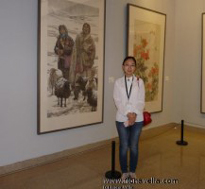
Artist Liu Xia besides her work at the National Art Museum of China – Photo by Fiona VellaSince its establishment, this national museum has organized thousands of various artistic exhibitions which reflect the development of Chinese art. These activities have attracted millions of visitors each year and so this museum has also served as a significant platform for the artists involved.

During my visit, amongs its selection of expositions, this museum was holding the exhibition ‘Beautiful China: Call of Humanism’ which entailed the First National Fine Art Exhibition to help the disabled. The ensemble of 200 pieces of artworks included masterpieces of top artists of the contemporary art world,as well as works of disabled calligraphers and painters. Funds from the sales of these artworks were collected in order to assist the needs of the thousands of disabled Chinese individuals.

M50 – Shanghai

50 Moganshan Road or M50 art district as it is more popularly known, was a former textile mill in central Shanghai which has now been converted into a major zone of artistic galleries and exhibition spaces.

altThis quarter started to become popular with artists in the year 2000 when the first individuals were initially attracted by the cheap rent of the disused industrial space. Soon, other artists followed suit and nowadays this complex has become known for its trendy and high art quality.

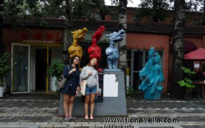
Outdoor sculptures at 751D Park – Photo by Fiona VellaArt lovers who visit this place get a chance to enjoy and purchase some fantastic and unusual works directly from the artists themselves. The allure of this zone lies in the variety of displayed works using several mediums.Prices range from affordable to really expensive but one is expected to negotiate.

Popular with both local and international visitors, this art quarter is unpretentious but interesting and often thought provoking. Amongst the wide selection of creations, it is engaging to notice also some works of a rebellious nature.

(This article was published in the Travel, Leisure and Food Supplement in the Sunday Times of Malta dated 15 March 2015)