
 PENTIMENT Il-figura fantażma li tidher f’ċerti pitturi. Fil-pittura ta’ Santa Katerina, li hemm esebita fil-Mużew tal-Arti, il-Belt, il-pentiment li jidher hu marbut ma’ suġġett ta’ tema totalment differenti, li tittratta x’aktarx il-martirju ta’ San Pawl. Jidher għalhekk li l-istess tila li ntużat biex ikun impinġi dan il-qaddis reġgħet intużat biex issir ix-xena tal-martirju ta’ Santa Katerina ta’ Lixandra. Għaldaqstant dan mhux pentiment, għaliex biex ikun pentiment dan irid ikun ċaqliq tad-disinn tas-suġġett impinġi, hekk kif l-artist iħoss li għandu jbiddel il-pożizzjoni tal-figuri jew parti minnhom fuq it-tila. Eżempju ta’ pentiment fil-veru sens tal-kelma jidher fix-xogħol ta’ Guido Reni li hemm fl-istess mużew. Hawn jidher ċar li l-pittur ċaqlaq id-driegħ u l-minkeb ta’ Kristu. Mit-Taljan pentimento – bil-Malti dispjaċir (u għaldaqstant korrezzjoni).
Page Status: Pending
Laċertu / Luċertu
 LUĊERTU/LAĊERTU Muskolu li jinżel mal-koxxa ta’ wara tal-barri jew baqra meta dan jinqatel u jitqatta’ għall-ikel. Biċċa laħam li tinqata’ għat-tisjir min-naħa tal-wirk (il-ġenb warrani) tal-istess annimal. Bħala laħam din mhix l-ifjen parti biex tittiekel, anzi hi kkunsidrata bħala ta’ kwalità inferjuri, għax meta tissajjar din tibqa’ pjuttost xierfa biex tikolha. Minkejja dan, bosta jordnawha bil-ħsieb li jitfgħuha fil-borma ħalli tagħti togħma ’l-brodu, u hekk, xħin iddub bit-togħlija, tittiekel f’biċċiet żgħar. Il-luċertu jista’ jissajjar ukoll f’dixx fil-forn b’ħafna meraq. Mit-Taljan lacerto. Bl-Ingliż salmon cut of silverside jew rump roast.
Ħaqq l-indafa!
 Li timxi fuq bankina u tara l-indafa u li t-toroq ikunu xummiema tifraħ u togħxa u tedha li jirbaħ il-qies. Hekk għandu jkun.
Imma tiltaqa’ ma’ persuni li huma mġienen fuq l-indafa u l-indafa tiġi qabel in-nies. Waqt l-ikel iqumu qabel u jibdew inaddfu u jagħtuk l-impressjoni li iżjed ma tħaffef biex titlaq ikun aħjar.
Ma jkunux nies li tista’ tidħol fil-fond tal-ħbiberija u tħoss li jibqgħu dejjem fil-qoxra tal-ħajja. Iebsa li jkollok persuna li tkun hekk għax tbati u s-suġġett ikun bla ħniena: ħasil, toroq, ħwejjeġ, kċina. Dawn għandhom ikunu, imma mhux il-ħin kollu, għax il-bniedem jibda jħossu waħdu u jibda jaqta’ u jfittex band’oħra. Dan jgħodd kemm għan-nisa kif ukoll għall-irġiel.
Jekk tista’ u tintebaħ li int ixxaqleb lejn indafa żejda, ħu ħsieb u rranġa, għax ma tkunx qed tagħmel il-ġid, la lilek u l-anqas l-oħrajn.
The Olympic Runner
Duncan, now 77 years old, was in hospital desperately fighting for his life. His breathing was becoming weak and erratic. He was slowly losing his fighting spirit.
The pretty young nurse by his side was whispering encouragements and willing him to continue to fight this important battle. She took his wrinkled hand in hers and whispered softly in his ear – “Don’t give up Duncan. I’m here with you. Let’s fight this together!”
He heard her and, while slowly opening his eyes, he recalled that many, many years ago a man had also told him these same encouraging words when he was in another difficult situation. Many, many years ago ………………….
At the age of 20 he was representing Britain in the Olympic Games. It was one of the proudest moments of his career. Duncan Foster was considered by many as the favourite to win the 400 metre sprint. He had trained very hard for the event as it was his dream to one day win the gold medal for his country.
Training was very hard. He knew that things don’t always work out the way you plan them, nor the way you would like them to be. However sometimes he was on the brink of losing heart. Yet he did not give up. He wanted to finish what he had started. He finally made it as Britain’s No. 1 hope for the gold medal in this sprint race. On that fateful day, he lined up against the best sprinters from many countries across the world. But he was confident that he could beat them all.
As the Umpire’s starting shot rang out, he was out of the blocks as fast as an arrow. For over half the distance he held the lead in front of all the other big-named sprinters. He felt like he was galloping along the inner track like a fast unstoppable train. He was on course to win the race.
Then suddenly he fell down in severe pain. His hands felt his right foot. He had torn a hamstring. But he was not going to give up. He wanted to finish what he had started. He raised himself up and hobbled to continue the race. Suddenly a man broke out from the crowd, escaped the security and came to Duncan’s side. It was his father who could not stand and watch while his son was down. “Don’t give up son. I’m here with you. Let’s finish this together!”
The anxious father and the injured son continued slowly together. But shortly before the finishing line, Duncan’s father let him continue to finish the race alone. Hobbling and in pain, unaided to the finishing line, Duncan breasted the tape and immediately fell to the ground. A crowd of 65,000 people gave him a standing ovation. It was a sight for sore eyes. He did not win the race, but he had finished it.
The identical words of the young nurse now in hospital by his side and of his long-dead father at the Olympic stadium, made him alert to the present situation. He would not let them down. He would not give up. He would struggle with all the strength that God had given him to overcome his illness.
Duncan Foster, with the help of his nurse and doctors, recovered. Some days later he went home. He died five years later, serenely of old age.
Karrakka
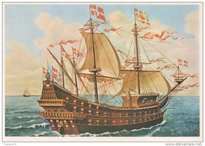
KARRAKKA Dwar il-paragrafu li jidher f’Bejn Kliem u Storja, fejn hi deskritta l-karrakka tal-Ordni, u l-analoġija ma’ xi karozza antika, hi ħaġa stramba li Mikiel Anton Vassalli ma jagħti l-ebda referenza għall-karrakki tal-Ordni ta’ San Ġwann. Hu jiddeskrivi l-karrakka bħala dak il-bastiment li xogħlu kien li jħammel qiegħ il-baħar. Minflok, Vassalli jgħid li din kienet kelma li tirreferi għal dik il-qoxra tal-baħar li kienet tnaddaf il-qiegħ tal-baħar mill-ħama (stromento con cui si purgano i porti. Donna grossa e grassa). Din tal-aħħar hi metafora li tikkorrispondi mal-kliem dispreġġattiv li jingħad meta xi ħadd jiddeskrivi xi mara qawwija.
Karettun tal-Bolrejs
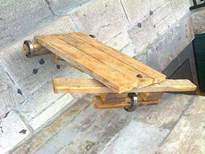 KARETTUN TAL-BOLREJS Dan kien ikun tista’ tgħid meqjus bħala l-ġugarell tal-avventuri tat-tfal. Kien ikun magħmul minn injama, x’aktarx tavla żgħira ta’ madwar 40 ċm x 30 ċm, ċatta imma soda, li tkun tiflaħ tifel li joqgħod bilqiegħda fuqha. Minn taħtha jgħaddu żewġ injamiet bħal kurrenti kull naħa tat-truf fil-wisa’ biex mat-truf tagħhom jintrabtu l-bolrejs biex dawn jintużaw bħala roti żgħar li jkunu b’saħħithom. Imbagħad kienet titwaħħal, minn taħt din it-tavla jew twavel, injama żgħira u dejqa fin-nofs minn taħt, u bi skorfina tifforma maqbad li jiċċaqlaq u b’hekk idur skont id-direzzjoni kif jinġibed mill-ħabel irqiq jew lenza, kif ikun hemm bżonn, minn dak li jirkeb il-karettun. Ir-roti ta’ dan il-karettun kienu dejjem ikunu tal-bolrejs (ball bearing races). Dawn il-ball races kienu jkunu meħuda minn xi spare parts ta’ xi ger tal-karozza jew tal-ajruplani li jkunu ġew skrappjati.
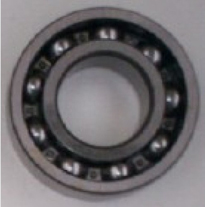 Dawn x’aktarx kienu jinxtraw mingħand xi regettier tal-iskrapp. Bi tlieta jew b’erbgħa minn dawn ir-roti tal-ball bearing imwaħħlin waħda ma’ kull tarf tal-kurrenti, u ġieli oħra fin-nofs taħt il-maqbad forma ta’ salib, dawn il-karettuni kont toqgħod bilqiegħeda fuqhom u tiġri fit-toroq, naturalment fejn it-triq tkun lixxa, u l-aħjar fejn it-triq tagħti għan-niżla. Dan il-karettun żgħir kien ipaxxi lit-tfal għax kienu qishom qegħdin isuqu xi karozza ta’ veru. Ir-roti tal-ball races iħokku mal-art kienu jagħmlu ħoss tremend, u minħabba f’hekk malajr kont tara xi ġirien ħerġin għal dawn it-tfal biex ifittxu jmorru band’oħra. (Informazzjoni miġbura kemm mill-esperjenza tal-awtur innifsu kif ukoll minn oħrajn li kitbu fuq Facebook, eż. Guido Michael Tabone u Lawrence Fenech.)
Aqwa mis-Samaritan it-Tajjeb!
Charles B. Spiteri

Din hi ġrajja li spiss konna naqraw fil-leġġendi. Iżda seħħet tabilħaqq.
Neguzjant Ċiniż li hu wkoll miljunarju, mar b’bulldozer fil-post fejn trabba u waqqa’ l-għarajjex tal-injam u qala’ t-toroq kollha tajn li sab. Dan ma għamlux b’xi azzjoni ħażina. Anzi. Xiong Shuihua bena djar lussużi u tahom lin-nies li kienu joqogħdu hemm. Hu twieled fil-villaġġ Xiongkeng, fil-belt ta’ Xinyu, fin-naħa t’isfel taċ-Ċina u dejjem jiftakar kif ir-residenti kienu jindukraw u jgħinu lill-familja tiegħu meta hu kien għadu żgħir.
Għalhekk, meta ta’ 54 sena spiċċa jagħmel il-miljuni fl-industrija tal-azzar, iddeċieda li jpatti għall-pjaċiri… u bla ħlas. Qatagħha li jmur lura fil-villaġġ fejn trabba u u jagħti dar b’xejn, lil kull min kien joqgħod hemm.
Ħames snin ilu, il-villaġġ qisu nqered u ħafna nies kienu jgħixu fi djar bażiċi. Iżda issa, dan ġie mibdul u 72 familja jinsabu ferħana, jgħixu f’appartamenti lussużi. Fl-istess ħin, 18-il familja li għenu lin-neguzjant, ingħataw villa kull waħda, fil proġett totali li sewa qrib l-£4 miljun.
Wara li mar joqgħod hemm, hu wiegħed ukoll tliet ikliet kuljum lir-residenti xjuħ u nies li qajla kienu jaqilgħu flus, u dan biex jassigura ruħu li jistgħu jgħixu ħajja deċenti. Dan il-multi miljunarju l-ewwel beda jaħdem fl-industrija tal-bini u wara daħal fil-kummerċ tal-azzar.
Hu qal: “Qlajt flus aktar milli kelli bżonn u ma ridtx ninsa l-għeruq tiegħi. Jien dejjem ħallast id-djun tiegħi u issa ridt nara li n-nies li għenu lili meta kont żgħir u lil familti, jitħallsu lura huma wkoll.”
Qiong Chu, ta’ 75 sena qal: “Jien niftakar lill-ġenituri tiegħu. Kellhom qalb tad-deheb u dejjem jaħsbu fl-oħrajn. Hi ħaġa sabiħa ħafna li binhom wiret din il-ġenerożità.”
Żjara
Joseph Henry Abela, Qassis

Għandu mnejn għadha magħna, jista’ jkun li telqet, aktarx moħħha mar, jew tiddeffes f’kollox u tidħol fejn ma jesagħhiex. Hi min hi OMMOK!
U la taraha stenduta bla nifs fl-iqsar ħin għal taħt l-art, qalbek taħseb mod ieħor.
Żur, agħti rigal, ċempel, ibgħat kartolina, ieqaf, mur, kun hemm għax tajjeb jew ħażin hi ħadet ħsiebek. Minnu li hemm il-kummerċ u l-ward, rigal ifisser flus imma l-ferħ li jġib fl-omm, l-għarfien li uliedha għadhom iħossu, għad għandhom ħin għal dix-xwejħa, l-isptar jew d-dar, jiżboq kull rigal.
Hemm il-bniedem jintebaħ li għadu jħoss, hemm id-demm, hemm it-taħbit il-qalb. Tlaħħaq ma’ xiex, ma’ kemm u ma’ min? Jekk dawk li qattgħu ħin miegħek ta’ żgħir u ferħu u għenuk u issa li tinsab fuq saqajk tinsa, tiġi waqtek u ġġarrab l-istess.
Jum l-Omm jasal biex ifakkrek, biex jgħin bħal qanpiena ta’ knisja, bħal murtal iġibek f’siktek ta’ dak li suppost tagħmel mill-qalb, tagħmlu biex għallinqas ’il quddiem qalbek ma taqsamhiex.
Nifraħ lilek bħala Omm u Nanna!
The Necklace
Debbie had been the maid of Lady Douglas for the last two years. She was recommended to her Ladyship by her socialite friend, Mrs. Jones Armitage while sipping cocktails at the Dorchester lounge.
It happened that, for some reason or other, Mrs. Jones Armitage got tired of Debbie and wanted to find an excuse to get rid of her. The request by Lady Douglas came exactly at the right moment. Debbie proved to be a very efficient worker and she kept the Douglas mansion spic and span, the envy of the other socialites who came to lunch or cocktails at her Ladyship’s.
Not only that, but Debbie, as Lady Douglas’s confidante, was sometimes entrusted with taking any of her broken jewelry to her Ladyship’s Bond Street jeweler for repairs. She was trusted and familiar so much, that she knew the hiding place of the key to the drawer where the lovely necklace and other jewelry, used by her Ladyship on special occasions, were stored. One day, while on such a mission in Bond Street, looking at similar jewelry, she discovered that the necklace was worth about 20,000 pounds. She was astonished by such a valuable piece of jewelry. Her own were just cosmetic jewelry, costing only a few pounds.
She told her husband about this. He just could not believe it. “It would take you a lifetime to earn its worth,” he told her. As the days passed, his mind was working overtime on how this new knowledge could work to their own advantage. He hatched a plot, discussed it with his wife and then both agreed to carry it out.
The chance came when Lady Douglas was away for three days in Scotland attending to her nephew’s wedding. Debbie brought the key down from its hiding place, opened the drawer, wrapped the priceless necklace, took it to the jeweler’s – not her Ladyship’s jeweler at Bond Street of course – and asked him if he could do a cheap imitation exactly like it.
“I can make an exact replica, which no one would be able to tell the difference. The cost would be 1,000 pounds. You realize that such a task would need craftsmanship and time,” he said. “I want it done by tomorrow,” she said. “In that case I will have to leave everything and work on it, but that would cost you another 500 pounds,” he said. “OK. I’ll call tomorrow evening before you close the shop,” said Debbie.
Her husband was waiting for her when she arrived home. “He’ll do it. I have to call for both necklaces tomorrow,” she told him as soon as she stepped inside their house.
“But where shall we get 1,500 pounds? We cannot afford that amount of money,” she told him. “Don’t worry,” he replied. “I’ve already thought of everything; I’ve secured a loan for that amount; with interest of course; but it would be worth it; what’s 1,500 pounds against 20,000 pounds?”
So on the morrow’s evening, as agreed with the jeweler, she called on him before closing time. He showed her the necklaces, the original one and the replica. They were so alike that she could not distinguish between them.
“This is the original one and this is the replica,” he said. “Only an experienced jeweler’s eye can detect the difference,” he continued. Debbie was impressed. She paid him the agreed 1,500 pounds, put both necklaces in her handbag and then went to her Ladyship’s mansion to finalize the plot she and her husband had hatched.
She opened the drawer, put the replica one exactly in the original’s place, closed the drawer and went home with the original in her handbag. Her husband was ecstatic. It was a perfect exchange. Her Ladyship would not know anything.
Lady Douglas did not have any occasion to use the necklace for some weeks. It remained in the drawer, in its own jewel box as if nobody had touched it since its last use.
But on the third week, the unexpected happened. Thieves had broken into her Ladyship’s mansion, ransacked the bedroom, broke the drawers and stole the priceless necklace. After checking the other areas of the place thoroughly, Lady Douglas confirmed that no other thing was missing. The thief or thieves were purposely after the necklace.
“Let’s call the Police,” a visibly agitated Debbie told her employer. Lady Douglas did not reply immediately. She was thinking. “Could it have been Debbie?’ she thought. “But if it was Debbie, she would have used the key not break the drawer.” “Yes, yes. Call the Police. Ask them to come here so that we can explain what happened,” she instructed her.
When Inspector Johnson and two constables called, they took statements from both Lady Douglas and Debbie. “Do you have any suspicions on who might have wanted the necklace?” asked the inspector. “No, none that we know of,” both replied.
After the inspector and the two constables left, Lady Douglas sat in the sitting room taking tea and biscuits as was her custom every afternoon. It appeared to Debbie that her Ladyship seemed calm and was not too much perturbed by the theft.
“Aren’t you worried that the police might not find it, your Ladyship?” asked Debbie when her employer did not mention the theft again. “Not much really,” replied Lady Douglas. “That necklace was only a replica and therefore a fake; very good imitation I must say; my friends adored it; the real one is in the bank’s safe and I seldom use it!”
Koċċ
KOĊĊ Il-plural ta’ ‘koċċ’ hu ‘kċuċ’. Min jiżra’ bil-kċuċ ikun qiegħed jitfa’ ftit żerriegħa fil-ħofra (jew kif jgħidu n-nies tal-biedja, fil-bejta). Għalhekk filwaqt li ‘koċċ’ tfisser ‘ħafna’, f’Għawdex ukoll ‘kċuċ’ kienet tfisser ‘ftitijiet’! Sors: Anton F. Attard.