
MATRIĊI Biex tkun vera Matriċi, il-knisja omm trid taddotta lill-parroċċa bint, u l-isqof jistabbilixxi għeliem kif il-parroċċa bint (li tissejjaħ ‘il-filjali’) għandha turi r-rispett lill-parroċċa omm. Pereżempju: Meta Ta’ Sannat, ix-Xagħra, in-Nadur u ż-Żebbuġ saru parroċċi, l-isqof semma x’kienu ngħataw bħala dota. Biss, kien ukoll ordna lill-kappillani l-ġodda biex jagħtu xemgħa ta’ libbra lill-arċipriet tal-Matriċi ta’ Santa Marija, waqt il-quddiesa solenni ta’ nhar il-festa titulari fil-15 ta’ Awwissu, lebsin bl-ispellizza u bl-istola, bħala għelm ta’ suġġestjoni lejh. Ħajr: Anton F. Attard.
Page Status: Pending
Nixfa

Joseph Henry Abela, Qassis
Il-21 ta’ Ġunju jfisser bidu tas-Sajf, ifisser btala, ifisser sħana, telqa, għeja.
Jekk ma taħsibx minn qabel fejn jista’ jkollok il-frisk, tispiċċa biex taħrab kull xogħol, ħidma u ċaqlaq.
Jekk taħseb biex ikollok mkien ta’ kenn u ma telqekx. Is-sħana tħossok fl-aħjar tiegħek. Il-qsari jgħinu, ilwien ma jgħajtux ukoll. Xorb frisk jew inkella ikel bħal frott inaqqas is-sħana għalik.
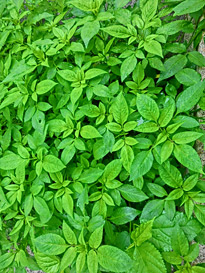
X’għandek maħsub għas-sajf? Tarf ta’ ġonna qrib fejn toqgħod għandek fejn jista’ ikun hemm il-kurrent bejn persjana u bieb miftuħ, bejn ritratti tal-ilma u pultruna ħafifa u purtieri tal-qasab li jilqgħu s-sħana.
Is-sħana taf tixorbok u tnixxfek u toħodlok l-aptit kollu tal-ħajja. Jekk iżżomm ruħek fil-frisk, ilma bin-nagħniegħ, palju, imrewħa, kappell tat-tibna: kollox jgħin.
Tħallix is-sajf ikiddek. Bi ħsieb is-sajf ukoll jogħġbok u jagħtik saħħtek.
The Lottery Ticket
Everybody in the village knew Pawlu. Not because he held any esteemed position in the community, nor because he ever did anything exceptional to be remembered for, nor because he liked to mingle freely among the different folk of the village. However Pawlu was the church warden. It was always he who at every mass, be it on weekdays or on Sundays, with collection box in hand, went around the congregation collecting money for the church. And it was often he who led the faithful to recite the rosary before the first evening mass.
Pawlu was 51 years old, still as light and agile as a cat, a good soul and a loving family man. But he had one obsession which only his wife knew about. He was a gambler. Not a heavy one mind you, but a gambler all the same. A man of very modest means, he always thought that one day he would be rich.
All throughout his adult life, every week without fail, he staked a few euros either on a ‘lotto’ or a ‘super five’ or a ‘lottery’ ticket. With his optimistic nature he always expected that he would win, always thought that, this time, his numbers would come out of the large rotating urn holding all the issued tickets. But they never did and he never won.
His wife Marie had a different character altogether. She was mild-mannered, of a calm nature and satisfied with her position in life. Unlike her husband, she did not crave for more money and the modest wage Pawlu brought home each week was enough to make her life comfortable and enjoyable.
Marie repeatedly admonished Pawlu for throwing away money over his weekly stakes. “A gambler”, she used to tell him, “is always a loser, never a winner!” If he had saved the money he had paid for the stake tickets he had bought these last thirty years, she always told him, they would have had a good sum of money in the bank, not nothing.
But Pawlu was certain that one day his numbers, which he never changed, would make him rich. “You’ll see Marie, you’ll see. When I win the one million euros, I’ll buy you a nice house in the new part of the village. And we’ll go for a long holiday. You’ll be so happy that I persisted in playing these blessed numbers”, he told her.
He continued with his mission in life, week in week out, always the same numbers, all signifying some dates or ages close to his heart. He did not trust his short-sighted wife to get him the tickets, being afraid that she would mess up his numbers. “Some day I‘ll become rich” he would often say to himself. And while in church, he would pray to his favourite saints to intercede on his behalf so that his wish would be granted. For thirty years he kept faith. “One day,” he always thought, “one day my luck will turn.”
He would buy his weekly tickets, kiss them tenderly, put them in the jar on the top of the kitchen side-board and wait for the draw on the Wednesday. It was a ritual. Sometimes, out of the same five numbers on which he put his stakes, he would get one number right, or two, or on rare occasions, three numbers. But no wins.
One evening Marie was following the draw on television. The numbers were being extracted from the rotating urn. One, two, three, four, five numbers! Pawlu’s numbers! She could not believe it. She opened the jar, took out the tickets and WOW, they had won it, over one million euros. She just could not believe it!
Pawlu was still at the church, assisting the parish priest at evening mass, after which he made preparations for the morrow’s early mass. Then he bid good bye to the parish priest and left for home. As soon as he entered the house Marie, tears in her eyes, shouted at him –“Pawlu, you’ve won, your five numbers have been drawn, and we’re rich Pawlu, rich!!”
Pawlu stood motionless, at first not realizing what Marie was telling him. Then, still not sure, he told her. “Is it true Marie, this is no joke is it? How do you know?” “I am sure Pawlu. I just heard and saw the numbers on television. I checked with your ticket. Here see for yourself. They’re your five numbers!” she answered breathlessly.
The impact of this news then struck Pawlu. His thirty-year long cherished dream of becoming rich had finally come true. He was now the happiest man on earth. As this realization sunk in, his face became as white as a sheet; sweat seeped down from his face and a stabbing pain run across his chest.
As he clutched his chest with both his hands, he fell on the floor right in front of Marie. She uttered a scream and ran out for help. When the doctor came and examined him, he pronounced him dead. After Marie recounted the events as they had happened, the doctor certified that death was caused by a heart attack, probably following strong, emotional joy on hearing the news of his substantial win.
But the story did not end there. It had another twist. After the funeral, Marie went to the Lotto Receiver with Pawlu’s ticket. He checked the numbers, looked at Marie and told her – “You have a winning ticket with four numbers, not five. The prize is 200 euros!” In her excitement Marie had made a mistake of the last number.
Pawlu, poor soul, had died in vain after all!
Koċċ
KOĊĊ Il-plural ta’ ‘koċċ’ hu ‘kċuċ’. Min jiżra’ bil-kċuċ ikun qiegħed jitfa’ ftit żerriegħa fil-ħofra (jew kif jgħidu n-nies tal-biedja, fil-bejta). Għalhekk filwaqt li ‘koċċ’ tfisser ‘ħafna’, f’Għawdex ukoll ‘kċuċ’ kienet tfisser ‘ftitijiet’! Sors: Anton F. Attard.
Kenn għal min m’għandux u povri suldati u pulizija
 Fid-dinja moderna nħoss li aktar sirna nagħtu kas tal-annimali milli tan-nies. Nixtrulhom il-ħwejjeġ biex inlibbsuhom; noħduhom xi dawra fil-prams u l-puschairs; inlibbsuhom in-nuċċalijiet tax-xemx… u nispiċċaw narrestaw lil xi sid li jħalli kelb jew qattus maqful f’karozza minħabba s-sħana tax-xemx.
Imbagħad niskanta kif fl-istess waqt inżommu suldati u pulizija għassa bl-uniformi, fis-sirġa tax-xemx — jew agħar — taħt xi kaxxa (gabbana) tal-injam, li tkompli taqlihom għas-sigħat kollha li jagħmlu għassa. Ladarba naqbżu daqstant għad-dritt tal-annimal, għandna naraw li dawn il-gabbani, almenu jkollhom xi sors ta’ arja kundizzjonata (li titħaddem u titħallas minn min ikun irid l-għassa wara daru) biex almenu, dawk li jagħmlu l-għassa ma jħosshomx ħażin waqt il-qadi ta’ dmirijiethom.
Issa nagħtu titwila lejn ir-ritratti ma’ din l-istorja. Le, mhumiex kmamar għall-klieb u l-qtates. Huma ‘djar’ għal nies li ma għandhomx dar. U minnhom jinsabu ħafna f’Kalifornja.
 Kienet l-inizjattiva ta’ Gregory Kloehn, li jmur idur is-siti fejn jintrema l-iskart, bl-iskop li jkun ta’ għajnuna għal ħaddieħor. Hu mhux wieħed minn dawk li m’għandux fejn joqgħod. Fil-fatt hu artist minn Oakland u permezz tal-immaġinazzjoni tiegħu, bl-iskart li jsib u biex jiżviluppa s-sengħa li għandu, qed jibni dawn id-‘djar’ żgħar, f’qies ta’ sufan, biex almenu, numru ta’ nies ikollhom ‘saqaf’ fuq rashom!
Minn xi żmien qatagħha li minflok jibqa’ joħloq l-iskultura, li jbigħha lin-nies sinjuri, jgħin lil min hu inqas fortunat. U ħaġa tal-għaġeb, minn kulma jsib jgħodd għalih f’dak li jarmi ħaddieħor, ikun kapaċi joħloq ‘dar’ ċkejkna ferm għal individwu bla kenn.
U mhux biss qed isib l-apprezzament tan-nies li jagħtihom fejn joqogħdu, iżda wkoll mill-midja, li rat u fehmet il-ġest sabiħ tiegħu, għax rigal bħal dan lil min m’għandux ħlief it-triq ta’ barra fejn jorqod, ifisser dinja.
Kull ‘dar’ li għamel Gregory, għandha saqaf imżerżaq, biex ix-xita ma tidħolx ġewwa, u roti biex lil min tingħata d-‘dar’ ikun jista’ jressaqha skont il-ħtieġa.
Ġeneralment, għall-art juża l-pallets tal-injam li jsib mormijin. Imbagħad, il-bibien tal-makni tal-ħasil tal-ħwejjeġ awtomatiċi, jużahom bħala twieqi, biex jagħtu d-dawl lid-‘dar’. Gregory jgħid li mindu beda jiffoka fuq id-djar, jaf li kulma joħloq qed jintuża.
 Wonder, mara li ma kellhiex dar, qalet li l-kenn ċkejken li bnielha Gregory, kien l-aħjar ‘dar’ li kellha fl-aħħar ħames snin.
Peress li tant daħal fl-ispirtu ta’ dawn id-djar, l-istess Gregory ħareġ ktieb bl-isem Homeless Architecture biex iħajjar lil ħaddieħor jibni ‘djar’ simili. Hu jaf, li jaħdem kemm jaħdem, ma jistax jibni ‘dar’ għal kull bniedem mingħajr waħda, f’Oakland biss, għalkemm mhux beħsiebu jieqaf mill-proġett ta’ għajnuna li beda.
Issa qed jitħajjar ukoll jibda jgħallem lil nies oħra jagħmluhom, għax jaf li hemm numru ta’ individwi li jixtiequ jinvolvu rwieħhom. Jittama biss li jsib xi post fejn jistgħu jiltaqgħu lkoll u jaħdmu flimkien, biex f’temp qasir jibnu aktar ‘djar’ ċkejknin għal min m’għandux fejn jistkenn.
Kus
 KUS Mikiel Anton Vassalli (1828) jagħti dan il-qawl: ‘La ddendilx kusek f’bieb l-imgħallaq.’ Skont l-ispjega ta’ M.A.V. l-kus kien kontenitur bħal bieqja biex fiha jkun merfugħ iż-żejt. Vassalli jispjega li n-nies tal-kampanja kienu jdendlu l-kus mal-bieb biex jiskansaw li jilħquh in-nemel. M.A.V. jgħid li l-analoġija tal-kus u l-imgħallaq qiegħda hemm biex twissi li mhux ta’ min wieħed idendel il-kus mal-bieb ta’ dawk li jiġu mill-imgħallaq, għax dawn jistgħu jistħajlu li din hi mossa magħmula apposta biex tniggiżhom (il-kus jissimbolizza l-imgħallaq imdendel).
Din l-analoġija, skont M.A.V., isservi biex tgħallem li mossa innoċenti, jekk issir ma’ xi ħadd li mhux suppost, tista’ tkun interpretata b’mod suspettuż. Inħoss li din l-analoġija mhix b’saħħitha u ċara biżżejjed. Nissuspetta li ‘mgħallaq’ hi korruzzjoni ta’ ‘magħlaq’, post magħluq, eż. bħal armarju li fih jitqiegħdu l-affarijiet bżonjużi, u għalhekk jagħmel aktar sens meta wieħed iwiddeb li l-kus ma għandux jiddendel mal-bieb tal-magħlaq, biex ikun evitat li dan il-kus jinkiser f’qasir żmien, billi l-magħlaq jinfetaħ u jingħalaq ta’ spiss. Fi kliem ieħor mhux ta’ min wieħed jissogra f’xi ħaġa li mhix soda jew ma’ xi ħadd li ma tistax tafdah.

Ħabta u Sabta
Joseph Henry Abela, Qassis
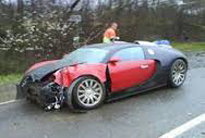
Jiġri li min jimxi bil-mod jasal kmieni, min jagħmel kollox bil-galbu jmur aħjar. Imma jseħħ ukoll li ġrajjiet jiġu ma’ wiċċ il-bniedem għal għarrieda.
Aħna ma finiex ħafna. Imma żelqa, waqgħa, ħabta, aħbar, tibdillek kollox kollox. Issuq bil-lejl? Tara periklu? Issuq filgħodu tiltaqa’ ma’ ġenn?
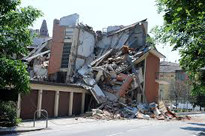
Tiċċaqlaq bil-mixi jew bir-roti, għajnejk miftuħa jew magħluqa se jkollok ħwejjeġ li ma tobsorhomx u jkollok tbiddel il-qisien u l-kejl kollu.
X’taqbad tagħmel? Jew tisħet, jew tbierek. Li tista’, tagħmel dak li jmissek tagħmel sew u ma jkollokx indiema. Il-ġejjieni ma jasalx. Issa li tista’, issa li jaqbel. Jekk tistenna l-ħin jaħrab u tfittex u ma ssibx. Tiġġenninx; qassam, aħseb, fittex il-kwiet u tara li dak li jiġi ħabta u sabta tkun lest għalih.
Mhux li tgħix bil-biża’ anqas bit-twerwir imma li issa tagħmel ħiltek bil-qalb u ’l quddiem ħallih f’idejn Alla.
Għożż il-Jum!
Għajnuna Ingliża lil Tifel Bożnijaku
Charles B. Spiteri
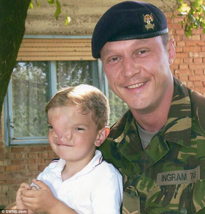
Suldat, li waqt li kien b’xogħol fil-Bożnja lemaħ tifel b’diformità terribbli, qatta’ għaxar snin jiġbor il-flus b’risqu, biex finalment wasal jibdillu wiċċu.
Stefan twieled b’kundizzjoni rari msejħa Tessier facial cleft, li tirriżulta f’għajnejh imbiegħda minn xulxin aktar minn 4.5 ċentimetru min-normal, u mingħajr imnieħer kif nafuh aħna. Iżda Wayne Ingram, missier ta’ żewġt itfal, li kien fin-9th/12th Royal Lancers tant inġibed lejn Stefan, li waħħal f’moħħu li jipprovdilu l-aqwa għajnuna medika. Hu rnexxielu jiġbor xejn inqas minn €107,265 fl-attivitajiet li wettaq fil-Bożnja u l-Gran Britannja fl-2003. Permezz ta’ dawn il-flus, irnexxielu jwassal lil Stefan fl-Isptar Great Ormond f’Londra. Hemmhekk, iċ-ċkejken sarlu intervent kirurġiku ta’ 12-il siegħa, fejn l-ispeċjalista David Dunaway, fetaħlu wiċċu fi tnejn biex seta’ jressaqlu għajnejh lejn xulxin u jibnilu mnieħer.
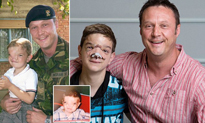
L-operazzjoni kienet suċċess, għalkemm l-ispeċjalista kien qal li fi żmien għaxar snin, Stefan ikollu bżonn jagħmel operazzjoni oħra. Wayne baqa’ f’kuntatt mal-ġenituri ta’ Stefan; Slavenka, ta’ 36 sena u Milos ta’ 44 sena, u issa, wara li ġabar €25,239 oħra, reġa’ ħadu l-Ingilterra biex itemm il-kura.
Issa, Stefan, li għandu 14-il sena, reġa’ daħal l-Isptar għat-tieni operazzjoni, biex l-ispeċjalista David Dunaway itejjiblu d-dehra ta’ wiċċu u jgħinu jieħu n-nifs aħjar.
Wayne, minn Weymouth Dorset, qal li hu kuntent li rnexxielu jgħin lil Stefan ikompli jgħix ħajja normali. Hu kien iltaqa’ mat-tifel wara li introduċiehulu missieru. Kif rah skanta, u wiegħed li jgħinu. Fil-fatt irnexxielu!
Mafkar ġdid fuq stil ta’ 5,000 sena ilu
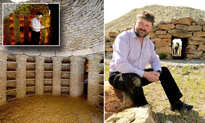 Fdalijiet umani se jitqiegħdu f’mafkar imdaqqas sew, li nbena fuq stil Neolitiku fil-Gran Britannja, wara 5,000 sena.
Kien Tim Daw, ta’ 52 sena, kważi lesta dan il-post ta’ mistrieħ li se jkun jesa’ l-fdalijiet ta’ eluf ta’ nies, wara mewthom.
Madwar 40 persuna diġà rriservaw qatgħa għalihom, li swiethom €1,262, f’din il-binja ta’ 50 metru tul, fl-għalqa ta’ Daw, qrib All Cannings, f’Wiltshire. Il-mafkar hu mistenni li jitlesta għal kollox matul dan is-sajf.
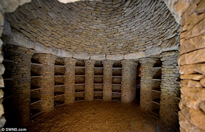 L-istruttura, mibnija b’niċeċ u daħliet fil-ġebel, mhi se tkun magħrufa mill-ebda reliġjon, iżda minħabba l-attenzjoni li ngħatat għas-solstizju – kif tidher tielgħa u nieżla x-xemx, diġà qanqlet l-interess tal-komunità Pagana.
Wiltshire hi mimlija b’dawn l-oqbra Neolitiċi, li jmorru lura għal żmien il-ħaġar, jiġifieri fil-bidu tal-10,200 qabel Kristu sal-2,000 qabel Kristu. Dak iż-żmien kienet id-drawwa li jħaffru; jitfgħu l-katavru u jgħattu bil-ġebel jew injam. Imbagħad jgħattu kollox bit-tajn, ħamrija u ħaxix.
Il-West Kennet Long Barrow, li jinsab sitt mili mill-mafkar ta’ Daw f’All Cannings, hu wieħed mill-akbar, b’tul ta’ 100 metru. Mill-iskavar li sar, ingħata ħjiel li l-qabar beda jinbena fis-sena 3,600 qabel Kristu, madwar 400 sena qabel ma nbeda Stonehenge.
A war-time Romance
Joe Lanzon
In the spring of 1942 Rita was helping her father Ganni run his bar in Valletta. She was off from school that day and enjoyed the hustle, bustle and excitement of the many British servicemen – sailors, soldiers and airmen stationed on the Island – who frequented her father’s bar when they were not on duty.
When war had broken out in 1939, Ganni had volunteered for the Army and was posted with the Royal Malta Artillery. After a brief training period, he was stationed at Fort St. Elmo, not far from his own house in the City, manning the Bofor guns facing the Grand Harbour. This is from where the German air-raiders usually came and where enemy naval vessels would try to penetrate the harbour defences.
Rita and her father were born and bred in the City built by the Knights of St. John in 1571 on the orders of Grand Master Jean De la Valette following the Great Siege of 1565 when the Turkish armada of 153 galleys with 39,500 men assaulted the Island but were repulsed.
Ganni and his teenage daughter loved Valletta and, even against the advice of the authorities, chose to remain within the city walls. Most of the other residents preferred to evacuate to towns and villages in the north of the Island. These localities were far from the harbour and the dockyard which were often the targets of the enemy. Holes dug in the high bastion walls offered safety to the stubborn citizens during the air raids.
Rita was an intelligent child. Her teacher, who also hailed from the capital, had told Ganni several times that his daughter was an intelligent person, has an exceptional memory and the potential to achieve something in life. She advised him to encourage her in her studies.
You could always find her with a book and pencil during the long hours spent in the shelter awaiting the ‘all clear’ siren to sound. But her father also insisted that it was equally important to have a character built on love, values and integrity. He used to tell her – “The best and most beautiful things in the world cannot be seen or even touched. They must be felt within the heart!”
During her hours at the bar, Rita noticed a young airman looking at her while he drank his beer alone in the corner. He seemed to be a shy sort of person as he did not mix much with the other servicemen. One day she went to his table and asked – “Hello! How are you? If you need anything just call me OK?” He smiled at her. “Thanks Rita”, he replied. “You remind me of my sister in Harrogate, she’s the same age as you and has the same sparkling eyes.”
Rita and Jack Andrews became friends. He told her about his family, about his pals with whom he flew to combat the German bombers. They began to look forward towards seeing each other during which both would pour out their thoughts about life and how they see it. They were two of a kind.
One evening when the bar was full of servicemen and Rita was near Jack, the singer on the little make-shift stage was singing Anne Shelton’s war song – ‘Silver Wings in the Moonlight’. She and Jack often sang it together when they were alone. It was a truly emotional song.
A thousand voices joined the singer, as her melodious plea to the Spitfire aircraft to take care of her lover, echoed around the bar.
“Silver Wings in the moonlight,
Flying high up above.
While I‘m patiently waiting,
Please take care of my love.
If you love him like I do,
Take him safely, and then
Silver Wings in the moonlight,
Bring him homeward again.”
A few days later Jack gave her a small wrapped gift. She opened it anxiously. It was a chain to which was attached a pendant – a small shining silver spitfire. He undid the clasp and hung it around Rita’s neck. “It’s lovely darling,” she said. “I’ll always keep it close to my heart to remind me of you.”
He held her in his arms and kissed her. “Life is short Rita,” he whispered. “We have to grasp it with both hands and make the best of it”. He showed her photos of his mother and sister, described the lovely English countryside of North Yorkshire and the spa town of Harrogate, his birthplace, which is famous for its award-winning flowers. He also told her of his dreams and his expectations from life.
Rita took him to interesting places around the little island – to Mosta to see the famous Rotunda church; to Rabat to roam at Chadwick Lakes, abounding with frogs and tadpoles; to Sliema to walk along the busy strand and then take the ferry back to Valletta.
On the afternoon of the 7th of April 1942, the shrill sound of the air-raid siren warned the citizens that an aerial attack was on the way. Immediately, the people remaining in Valletta took to their nearest shelters within the bastions.
Rita clutched her books and found a corner place where she could read and study. All around her the shelter was alive with movement. Most people were saying the rosary, praying for their safekeeping. Others were talking and shouting, while children ran about and played games. Here, in this rock-hewn place, it was a different world.
When the ‘all clear’ sounded in the evening, they all came out of the shelter wanting to smell the fresh air of that April evening. But a terrible scene awaited them. There was devastation everywhere.
In upper Kingsway, the majestic building of the Royal Opera House, built on the designs of the renowned English architect Edward M. Barry in 1866, was in ruins. It had received a direct hit from the German bombers and was totally destroyed. Heaps of broken stone and twisted iron girders were strewn about. All that remained of that beautiful building were the terrace and parts of the columns.
The Opera House was considered to be one of the most beautiful and iconic buildings in Valletta and had established a famous reputation all over Europe. It gave an invaluable boost to the artistic and cultural lives of all Maltese. It was the launching pad for many singers and conductors who later became world famous.
On that fateful day Ganni, with his RMA colleagues, was manning the guns at Fort St. Elmo, firing furiously at the German invaders as they dropped their bombs over the city. Also on that day, Jack Andrews was on his Spitfire fighter plane which battled bravely, though heavily outnumbered, the German fighters escorting the deadly enemy bombers.
Ganni had previously played an important part as a gunner in two separate episodes from this same post at Fort St. Elmo. In January of 1941 when hordes of German bombers and fighter bombers attached ferociously the aircraft carrier ‘Illustrious’ which had sought shelter beneath the bastion walls of the Grand Harbour, and in July of the same year, when a number of Italian E-Boats attacked the defense lines of the harbour entrance, destroying the breakwater structure.
During the numerous air-raids, when Rita was deep in the shelters, Ganni was exposed to enemy fire at St. Elmo and Jack was up in his Spitfire, she would clutch the pendent tightly in her hands and pray. “Please God; please keep my father and my Jack safe!”
The years passed. The war had long ended. The people started to build their shattered lives again. The destroyed buildings started to rise again, the suffering and heartache of the population was slowly being forgotten, but the thousands casualties of the war – civilians and servicemen – remained buried below ground.
Rita walked slowly along the much trodden gravel path, holding little Johnnie by the hand. The sun’s rays on her pendant made the silver spitfire sparkle on her neck. She looked on both sides of her. There were beautiful marble monuments all the way. And it was quiet, so quiet that the sound of her footsteps and those of Johnnie seemed as if they were trespassing the sacred ground.
Up on the hill, the gothic church looked down on the vast silent population stretching many generations. She lived in England with her Jack now and she was a teacher at St. Alban’s in Harrogate. When Rita came to the place she was seeking – her dear father’s resting place – she stopped, said a prayer and placed a posy of flowers on his grave, remembering his wise words of many years ago – “The best and most beautiful things in the world cannot be seen or even touched. They must be felt within the heart!”