
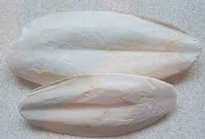
 SIĊĊA L-għadma tas-siċċa kienet tintuża mill-artiġjani li jipproduċu diversi tipi ta’ xogħol ornamentali li jintlibes bħala żina, pereżempju l-gamew, il-kullani, iċ-ċrieket u bosta affarijiet oħra magħmulin mid-deheb u materjal prezzjuż. Is-siċċa kienet tintuża biex l-ewwel jitnaqqax fiha d-disinn li wieħed jixtieq imbagħad f’din il-forma negattiva jintefa’ l-materjal, bħal deheb imdewweb, biex jieħu dik il-forma tad-disinn fil-varjazzjoni pożittiva tiegħu.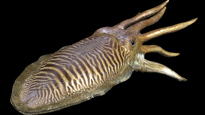
Page Status: Pending
Meravilja Ċiniża fl-ikbar bini dinji
Charles B. Spiteri
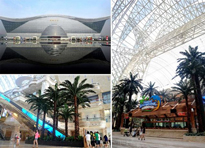
Għaċ-Ċiniżi, il-bini hu xi ħaġa tal-meravilja. Dan l-aħħar għadhom kif inawguraw l-akbar bini tad-dinja, li kapaċi jesa’ 20 Opera Houses daqs ta’ Sydney jew tliet Pentagons.
In-New Century Global Center f’Chengdu, proviniċja ta’ Sichuan fih kobor ta’ 19-il miljun pied kwadru u fih ċentri sħaħ ta’ ħwienet, villaġġ Mediterranju, water park, ice-skating rink u numru ta’ lukandi.
Naturalment, il-viżitaturi f’dan il-bini msaqqaf bil-ħġieġ, m’għandhomx għax jinkwetaw minħabba t-temp, għax dan il-kumpless ġgantesk għandu x-xemx artifiċjali tiegħu.
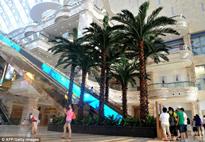
Bħala qisien, il-binja hi twila 500 metru b’400 metru wisa’ u mitt metru għoli. Skont l-uffiċjali Ċiniżi, in-New Century Global Centre hu l-ikbar bini fid-dinja u ħadilhom tliet snin biex lestewh.
Liu Xun, gwida Ċiniż qal li din il-‘belt’ mibnija mill-umani, għandha fiha xemx artifiċjali li tipprovdi dawl u sħana għal 24 siegħa kuljum, għal dawk li jkunu jridu jagħmlu x-xirja tagħhom jew l-oħrajn li jridu jżuru l-400,000 metru kwadru ta’ ħwienet u mħażen.
Karozzi ajruplani mis-sena d-dieħla
Charles B. Spiteri
 L-ewwel karozzi li jtiru se jibdew jinbiegħu lill-pubbliku mis-sena li ġejja. Id-ditta Terrafugia ħabbret li d-disinn tagħha – li f’parti hi karozza u f’parti oħra jet privat b’żewġ seats, erba’ roti u ġwinħajn li jingħalqu biex tkun tista’ tinsaq bħala karozza, se tkun għall-bejgħ dalwaqt.
Id-ditta, bil-bażi tagħha f’Massachusetts żvelat il-ħsibijiet tagħha għall-mudell TF-X, li se tkun żgħira biżżejjed li tidħol f’garaxx u ma jkollhiex ħtieġa ta’ mitjar biex tinqata’ mill-art.
Il-karozza-ajruplan Transition se tkun tista’ tinsaq b’ħeffa ta’ madwar 70 mil fis-siegħa fit-triq, waqt li fl-ajru ttella’ 115-il mil. Hi ttir billi tuża tank ta’ 23 gallun fuel tal-karozza u taħraq ħames glalen minnhom kull siegħa li tkun fl-ajru. Hu maħsub li fis-sewqan fit-triq, tagħmel 35 mil bil-gallun u għat-triq fiha wkoll ir-rear-wheel drive.
It-Transition hi mgħammra b’żewġ airbags u paraxut għall-karozza sħiħa.
 Is-sena li għaddiet, it-Transition kellha l-ewwel prova, fejn taret f’għoli ta’ 1,400 pied għal tmien minuti. Dan meta l-jets kummerċjali jogħlew f’35,000 pied. Madankollu, il-prezz tat-Transition mhux se jkun irħis. Tiswa €23,960.51. Il-kumpanija Terrafugia ħabbret li s-sidien, irid ikollhom liċenzja ta’ pilota u jkollhom joqogħdu għal eżami ta’ 20 siegħa titjir, biex ikunu jistgħu jkollhom din l-karozza.
Il-karozzi li kapaċi jtiru, minn dejjem kienu fl-immaġinazzjoni tal-Amerikani u l-inventuri kienu ilhom biex jimmanifatturaw waħda sa mill-1930. Il-gvern diġà laqa’ t-talba tal-kumpanija, biex tuża roti speċjali u ħġieġ li hu eħfef min-normal. Dan biex ikun aktar faċli għall-karozza li ttir.
Il-kumpanija kienet ilha taħdem fuq din il-karozza sa mill-2006. Għall-bidu ħabbret li kellha tintroduċiha lill-pubbliku fl-2011, iżda kellha tittardja minħabba l-isfidi fid-disinn u l-problemi għal xi partijiet li riedet tordna mingħand kumpaniji oħra.
Metro lussuża fl-Arabja Sawdija
Charles B. Spiteri
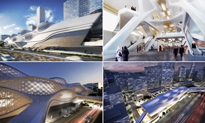
Il-passiġġieri tal-Underground f’Londra dalwaqt jibdew jgħiru għall-aktar sistema tal-metro lussuża fid-dinja li se tkun lesta fi ftit snin.
B’dehra minn ġewwa li titqies bħala lukanda b’ħames stilel, ix-xogħol propost f’Riyadh, fl-Arabja Sawdija, se kollu disinn spazjali, b’passaġġi tal-irħam, ħitan miksijin bid-deheb u naturalment — peress li hu post sħun immens – sistema mill-aqwa ta’ arja kundizzjonata.
Il-faċċata se tkun magħmula b’mod li taċċetta li d-dawl jidħol ġewwa, waqt li fl-istess ħin tilqa’ s-sħana ħarxa tad-deżert.
Il-binja se jkollha sitt linji differenti li jitħaddmu flimkien, u sar il-ftehim mir-Re Abdullah li trid titlesta f’erba’ snin biss – l-istess żmien li ħadu l-bennejja fi New York biex irrinovaw stazzjon wieħed.
Li aktar jiffrusta lill-Ingliżi ta’ Londra hu l-fatt li din is-sistema ġdida għall-Għarab, kienet disinjata minn Zaha Hadid, perit nofsu Ingliż, li wettaq numru ta’ żviluppi moderni mad-dinja kollha.
Dan il-perit bl-uffiċċju f’Londra hu nofsi Iraqin u kien il-moħħ wara l-iżviluppi fil-Pjazza tal-Kapitali Hoxton u f’Eaton Place, kif ukoll fi proġetti internazzjonali fi bliet, fosthom New York, Singapore u Dubaj.
Roman Holiday
Jeff was my boyfriend for the last three years. Well, something more than my boyfriend really. I had never expected myself to fall in love with a bank clerk. Not that there is anything wrong with bank clerks. It was that I’d never imagined a bank clerk would be exciting enough for me.
Just two weeks ago he had asked me to marry him. He caught me by surprise. We were having coffee at Cafe Cordina in Republic Street one fine Sunday morning. “Why do you want to marry me?” I asked him, still shocked with surprise. “Because I want to share my life with you, that’s why”, he replied as if it was something to be expected.
That is not enough reason for marriage, I thought. It was a reply which did not excite me. Did Jeff want to get married because, after three years together, it was the next thing to do? Why did he not tell me, “Because I love you!” Where is the romance? Where is love? Maybe I was reading too many love stories lately.
“I have to think about it”, I said. “It’s a proposal of marriage” replied Jeff, looking flustered and upset. But I could not reply immediately. I knew that Jeff loved me very much, that he would do anything for me, that we would have a good stable life together. But ……………….. Even as I sipped my coffee, my mind went back to Riccardo whom I had met during my holiday in Rome a year ago. He was exciting, romantic and full of compliments. He was so different from Jeff. It could be, I thought, because he was Italian. He used to sing and play the guitar in a popular restaurant in Trastevere, where all the young people seemed to gather in the evenings.
“Give me time Jeff and I’ll give you an answer,” I said while he took hold of my hand caressing my fingers. “I’ll be on holiday next week, booked with my friend Beth. We had always wanted to return to Rome,” I continued. “But I thought that we would go for a holiday together, you and I”, he replied looking confused and hurt. “OK. I’ll wait for you to come back and then we’ll talk again,” he said as he planted a kiss on my lips.
Two days later Beth and I were in Rome. We took the airport bus to Stazione Termini and then walked the short distance to our hotel in Via Gioberti. The receptionist welcomed us with “Buongiorno signorine, welcome to Rome”. Beth nudged me with her elbow. “He is handsome, isn’t he?” she said in a low voice, so that the comment remained between us. For Beth every Italian is handsome and romantic, even if he is just ordinary.
After registration, we went to our room, settled our clothes and things in the wardrobe, rested a little bit, had a shower, dressed and then went out to see the city, which we had only last seen the previous year. As a multitude of church bells tolled, we said to each other –“Let’s see what has changed.”
Rome itself does not change. Each year trees blossom among the old palaces, the same clouds drift above the many church domes across the horizon, roses still grow in garden terraces below baroque palaces and the river ‘Tevere’ continues to flow slowly beneath the bridges as it did last year and hundreds of years ago.
Only the people change. Ten million people every year come from all over the world to see its archeological and art treasures as well as to savor its charm and unique traditions. But the various hotels where they stay, the monuments, fountains, churches, museums and the other places which attract them to this beautiful city, remain unchanged.
During the morning we visited Piazza di Spagna, Fontana di Trevi, St. Peter’s Church, the Colosseum, Bocca della Verita, Foro Romano, Via del Corso and the other well-known landmarks. It was hectic but satisfying. No, there were no changes to note. Life seems to have gone on uninterrupted since we were last here. But what about me? Have I changed?
In the evening we went to Piazza Santa Maria in Trastevere in search of Riccardo. “Would he still be there?” I said to Beth. She looked at me suspiciously “Of course he will be there; singing in restaurants is his career; I have no doubt that he will be there”. I had my doubts, of course, or maybe I was so eager to see him that I was afraid that he would not be there.
“You’re in love” Beth remarked seeing the far-away look in my eyes. “I don’t know”, I said, “I’m just wondering!” “It was only a holiday romance”. Beth replied, “Don’t count too much on Riccardo”.
I had my fingers crossed as we approached the restaurant – ‘Taverna da Mario’ – in the heart of the piazza. As the musical notes of ‘O sole Mio’ wafted in the evening air, I knew, I definitely knew that Riccardo was there singing and playing his old guitar.
Beth and I entered the restaurant and saw him. My heart jumped. His hair was a little longer, his skin a little browner, otherwise he was just as I remembered him. We sat at a table away from where he was entertaining. He had girls all around him, mostly young tourists, probably American and British. During the break from playing and singing to patrons, Riccardo chatted with the girls, put his sun-bronzed arms around their thin waists, kissed them jokingly and laughed.
It was then that he saw us. He left everybody and came hurriedly towards us exclaiming – “Ah, the lovely girl from Malta. Where have you been all this time?” He was, as all Italians do, smiling broadly and gesticulating with his hands. And then he took me in his arms and kissed me passionately.
“Come, come with me tonight” he said, “I’ll show you how beautiful Rome is at night!” When he finished singing, I left Beth chatting to some other Italian, jumped on Riccardo’s ‘motorino’ and we went away. He looked as if he wanted to break the speed record as he wove his way along the traffic on the roads. As we swooped down hills and around bends on the mountain side, I clung firmly on to his waist.
It was exciting and romantic at the same time. From the top of Monte Mario we could see Rome beneath us, its main sites all lit up like various Christmas trees. It was an enchanting sight indeed. I was thoroughly enjoying myself and wanted the night to stand still. Before we separated, I gave Riccardo my hotel’s address and telephone number and he promised to call and collect me from the hotel so that we would enjoy my last few days in Rome together. Life with Riccardo would always be so exciting, so full of surprises, constantly on the move, late nights out. All that would suit my out-going character.
Beth was fast asleep when I entered our hotel room early in the morning. She was up and about when I woke up, as the clock struck mid-day. I recounted my adventure with Riccardo to her the night before and told her that he makes my heart skip a beat; that he told me several times that he loves me; that he had promised to call for me at the hotel, to continue our romantic interlude. Life with Riccardo would not only be romantic, but also a non-stop adventure. Beth had to return to Malta that very evening. However I stayed a day longer, hoping that things would happen in the meantime.
But during the whole of the next day, he did not phone or call. Maybe Beth was right after all. She had told me that this was all a holiday romance which lasts only a few days. Despite his vows of love, could it be that for him, I was just another foreign girl he liked to flirt with?
I was having breakfast on my last day in Rome when the receptionist came hurriedly up to me and said. “Signorina! Signorina! There’s a man asking for you in the lobby.” “There”, I said to myself in an anxious mood, “Riccardo has finally come for me.”
Excited, I followed the receptionist to the lobby downstairs. Then I saw him. He was standing there holding a rose in his hands. I felt all my misgivings simply melting away. One romantic gesture could make all the difference in winning a girl. When he saw me, he grinned. “Hi sweetheart. I love you!” he said. “I hope you don’t mind me joining you”.
“Hello Jeff”, I replied, seeing him there with his luggage by his feet. “I don’t mind at all. As a matter of fact, I could do with some company!” Then he took me in his arms and kissed me with a passion I could not remember. Rome does not change, but I had changed, I thought, as I looked at the man I had spent three happy years with, the man who really loved me without uttering empty words, however romantic they may be.
Matriċi
MATRIĊI Biex tkun vera Matriċi, il-knisja omm trid taddotta lill-parroċċa bint, u l-isqof jistabbilixxi għeliem kif il-parroċċa bint (li tissejjaħ ‘il-filjali’) għandha turi r-rispett lill-parroċċa omm. Pereżempju: Meta Ta’ Sannat, ix-Xagħra, in-Nadur u ż-Żebbuġ saru parroċċi, l-isqof semma x’kienu ngħataw bħala dota. Biss, kien ukoll ordna lill-kappillani l-ġodda biex jagħtu xemgħa ta’ libbra lill-arċipriet tal-Matriċi ta’ Santa Marija, waqt il-quddiesa solenni ta’ nhar il-festa titulari fil-15 ta’ Awwissu, lebsin bl-ispellizza u bl-istola, bħala għelm ta’ suġġestjoni lejh. Ħajr: Anton F. Attard.
Nixfa

Joseph Henry Abela, Qassis
Il-21 ta’ Ġunju jfisser bidu tas-Sajf, ifisser btala, ifisser sħana, telqa, għeja.
Jekk ma taħsibx minn qabel fejn jista’ jkollok il-frisk, tispiċċa biex taħrab kull xogħol, ħidma u ċaqlaq.
Jekk taħseb biex ikollok mkien ta’ kenn u ma telqekx. Is-sħana tħossok fl-aħjar tiegħek. Il-qsari jgħinu, ilwien ma jgħajtux ukoll. Xorb frisk jew inkella ikel bħal frott inaqqas is-sħana għalik.
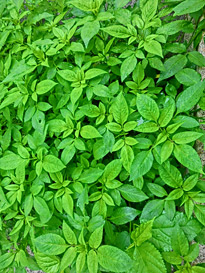
X’għandek maħsub għas-sajf? Tarf ta’ ġonna qrib fejn toqgħod għandek fejn jista’ ikun hemm il-kurrent bejn persjana u bieb miftuħ, bejn ritratti tal-ilma u pultruna ħafifa u purtieri tal-qasab li jilqgħu s-sħana.
Is-sħana taf tixorbok u tnixxfek u toħodlok l-aptit kollu tal-ħajja. Jekk iżżomm ruħek fil-frisk, ilma bin-nagħniegħ, palju, imrewħa, kappell tat-tibna: kollox jgħin.
Tħallix is-sajf ikiddek. Bi ħsieb is-sajf ukoll jogħġbok u jagħtik saħħtek.
The Lottery Ticket
Everybody in the village knew Pawlu. Not because he held any esteemed position in the community, nor because he ever did anything exceptional to be remembered for, nor because he liked to mingle freely among the different folk of the village. However Pawlu was the church warden. It was always he who at every mass, be it on weekdays or on Sundays, with collection box in hand, went around the congregation collecting money for the church. And it was often he who led the faithful to recite the rosary before the first evening mass.
Pawlu was 51 years old, still as light and agile as a cat, a good soul and a loving family man. But he had one obsession which only his wife knew about. He was a gambler. Not a heavy one mind you, but a gambler all the same. A man of very modest means, he always thought that one day he would be rich.
All throughout his adult life, every week without fail, he staked a few euros either on a ‘lotto’ or a ‘super five’ or a ‘lottery’ ticket. With his optimistic nature he always expected that he would win, always thought that, this time, his numbers would come out of the large rotating urn holding all the issued tickets. But they never did and he never won.
His wife Marie had a different character altogether. She was mild-mannered, of a calm nature and satisfied with her position in life. Unlike her husband, she did not crave for more money and the modest wage Pawlu brought home each week was enough to make her life comfortable and enjoyable.
Marie repeatedly admonished Pawlu for throwing away money over his weekly stakes. “A gambler”, she used to tell him, “is always a loser, never a winner!” If he had saved the money he had paid for the stake tickets he had bought these last thirty years, she always told him, they would have had a good sum of money in the bank, not nothing.
But Pawlu was certain that one day his numbers, which he never changed, would make him rich. “You’ll see Marie, you’ll see. When I win the one million euros, I’ll buy you a nice house in the new part of the village. And we’ll go for a long holiday. You’ll be so happy that I persisted in playing these blessed numbers”, he told her.
He continued with his mission in life, week in week out, always the same numbers, all signifying some dates or ages close to his heart. He did not trust his short-sighted wife to get him the tickets, being afraid that she would mess up his numbers. “Some day I‘ll become rich” he would often say to himself. And while in church, he would pray to his favourite saints to intercede on his behalf so that his wish would be granted. For thirty years he kept faith. “One day,” he always thought, “one day my luck will turn.”
He would buy his weekly tickets, kiss them tenderly, put them in the jar on the top of the kitchen side-board and wait for the draw on the Wednesday. It was a ritual. Sometimes, out of the same five numbers on which he put his stakes, he would get one number right, or two, or on rare occasions, three numbers. But no wins.
One evening Marie was following the draw on television. The numbers were being extracted from the rotating urn. One, two, three, four, five numbers! Pawlu’s numbers! She could not believe it. She opened the jar, took out the tickets and WOW, they had won it, over one million euros. She just could not believe it!
Pawlu was still at the church, assisting the parish priest at evening mass, after which he made preparations for the morrow’s early mass. Then he bid good bye to the parish priest and left for home. As soon as he entered the house Marie, tears in her eyes, shouted at him –“Pawlu, you’ve won, your five numbers have been drawn, and we’re rich Pawlu, rich!!”
Pawlu stood motionless, at first not realizing what Marie was telling him. Then, still not sure, he told her. “Is it true Marie, this is no joke is it? How do you know?” “I am sure Pawlu. I just heard and saw the numbers on television. I checked with your ticket. Here see for yourself. They’re your five numbers!” she answered breathlessly.
The impact of this news then struck Pawlu. His thirty-year long cherished dream of becoming rich had finally come true. He was now the happiest man on earth. As this realization sunk in, his face became as white as a sheet; sweat seeped down from his face and a stabbing pain run across his chest.
As he clutched his chest with both his hands, he fell on the floor right in front of Marie. She uttered a scream and ran out for help. When the doctor came and examined him, he pronounced him dead. After Marie recounted the events as they had happened, the doctor certified that death was caused by a heart attack, probably following strong, emotional joy on hearing the news of his substantial win.
But the story did not end there. It had another twist. After the funeral, Marie went to the Lotto Receiver with Pawlu’s ticket. He checked the numbers, looked at Marie and told her – “You have a winning ticket with four numbers, not five. The prize is 200 euros!” In her excitement Marie had made a mistake of the last number.
Pawlu, poor soul, had died in vain after all!
Irmied uman fil-‘bullets’
Charles B. Spiteri
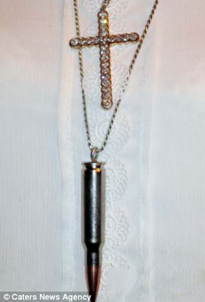
F’pajjiżi fejn il-kremazzjoni (il-ħruq tal-katavri flok dfin) hu komuni ferm, issa qed jingħata tifsira ġdida għall-familjari tal-mejjet.
Idea li żgur tingħoġob minn dawk li jħobbu l-armi tan-nar, hi dik ta’ kumpanija Amerikana li qed toffri li tissiġilla l-irmied tal-familjari f’bullets.
Il-kumpanija Holy Smoke (Duħħan Qaddis) tinsab f’Alabama u hi mmexxija minn Clem Parnell u Thad Holmes. Meta huma jippriservaw l-irmied fil-bullets, jagħtuhom lill-klijenti f’kaxxa speċjali ta’ preżentazzjoni. Iżda għal min ikun irid, huma jħalltu l-irmied ma’ splussiv u jwasslu lill-klijent fi vjaġġ, fejn ikun jista’ jispara xi wħud mill-bullets.
Il-ħlas hu ta’ €798 għal 100 bullet tar-rifle jew 150 bullet tal-pistola u €72.50 għall-kaxxa tal-preżentazzjoni magħmula mill-injam. Persuna medja tipproduċi bejn ħames u sitt libbri ta’ rmied wara l-kremazzjoni u Holy Smoke tuża biss libbra ta’ rmied biex twettaq ħidmietha.
Is-sidien tan-negozju jgħidu li jirċievu bejn erba’ u ħames ordnijiet fix-xahar mill-Istati Uniti, iżda hemm nies oħra li qed jidhru interessati, fosthom mill-Ġappun, l-Awstralja, ir-Repubblika Ċeka u mill-Gran Britannja.
Huma jsostnu wkoll li jekk il-fdal ta’ persuna jimtlew f’bullets mal-porvli, joffru assigurazzjoni lill-familjari f’każ li jidħol xi ħadd fuqhom biex jisraqhom, u b’hekk tibqa’ rabta sħiħa bejn il-mejjet jew mejta u niesu ħajjin. Hemm min jippreferi li bullet minnhom tkun pendent biex tinġarr kuljum fuq il-persuna li tibqa’ ħajja.
Misraħ
MISRAĦ (pl. msieraħ) Ġan Franġisk Abela (1647) jiddeskrivi l-misraħ bħala l-pjazza tar-raħal qrib il-knisja, fejn in-nies kienu jinġabru fil-jum tal-Ħadd jew f’xi festa pubblika biex iqattgħu l-ħin jitħaddtu flimkien. Fil-ktieb Place-names ta’ Godfrey Wettinger insibu aktar minn erbgħin post li fih hemm inkluż dan l-appellattiv. Biss, dawn x’aktarx kienu nħawi fejn jirgħaw il-mogħoż. Fost dawn insibu Misraħ il-Kbir, Misraħ il-Mitħna, Misraħ il-Wardija u l-Imsieraħ, li llum ħafna minnu nbena u sar il-lokalità ta’ San Ġwann.