The Interview

Susan Wilkins arrived at the offices of ‘Osborne-Kerr Enterprises’ for her interview as a typist. Just turned 18, she felt a flutter of excitement in her stomach as she entered the building with trepidation.

The little confidence Susan had, deserted her the minute she opened the door and entered an oak-panelled reception area. She was impressed with the surroundings. A glamorous girl sitting behind a desk gave her a professional smile “Can I help you Miss?”

Susan broke into a cold sweat. “I’m here for the interview”, she blurted nervously, instantly thinking of a hundred better ways she could have introduced herself. “And you are?” asked the receptionist, “Wilkins, Susan Wilkins”, replied Susan. “We’ve been expecting you Miss Wilkins”, replied the receptionist. Susan’s pulse raced. Was it her imagination or was the receptionist reprimanding her? She looked for a clock to check if she was late. 

“Miss Wilkins” asked the receptionist a few moments later. “Sorry” Susan apologised, conscious she had not been listening. “Mr Osborne-Kerr will see you shortly. Would you like to have a seat while you wait?”

“Thank you”. Feeling clumsy and awkward, Susan walked over to one of the chairs around a low table set with neatly-arranged magazines. She would have liked to pick up one, but lacking the courage to disturb the display, she studied the room instead. The oak-panelled wall looked and smelled as though it was cleaned four times a day and the floor was so polished Susan was terrified she’d slip and fall when she left her seat. Every single piece of furniture was delicately and strategically in place. Everything looked so clean, so ‘de lux’. She could not imagine touching anything, let alone working in the place. 

What on earth made her think that she could get a job in a manager’s office as grand as this? As her last traces of hope evaporated, she began to tremble. She also realised that her feet hurt. Her shoes had fitted her well when she had bought them, so why are they tight now? She must have blisters but, she told herself, she could bear it – just as long as she didn’t limp when they called her in. That would be the final humiliation. They might think that she had borrowed someone else’s shoes for the interview because she could not afford her own. 

Opening her handbag, she pulled out her small mirror to check that the sprinkling of powder she’d put on her face hadn’t disappeared, or that the lipstick she had applied so carefully a quarter of an hour before was not smudged. She wished she had the courage to ask the receptionist if she could go to the ‘Ladies’. If there was a larger mirror she’d be able to check that her hair was still all right and the seams of her nylons were still straight.

“Miss Wilkins?” she heard a voice say behind her. “Yes, yes, it’s me”, she replied timidly. “I’m Odette Olsen-Jones, the secretary to Mr Osborne-Kerr” said the young woman, exuding self-confidence, who was dressed in a navy tailored suit with mid-calf, pencil-slim skirt and light-grey blouse. Her hair was swept neatly behind her ears, her make-up glossy, and her perfume subtle, yet effective enough to be picked up from six feet away. 

No matter how much she earned, Susan knew that she’d never achieve that degree of sophistication – the right accessories, gold button earnings, discreet and tasteful, complimented by a gold lapel pin and a half-hoop of diamonds on the third finger of her left hand. Susan wasn’t surprised that she was engaged. She could imagine men vying to be seen with her and not the sort of men who lived in her neighbourhood – but rich men with well-paid jobs who drove new cars and owned houses. 

The secretary extended her hand. Susan stumbled to her feet, one shoe getting in the way of the other. “Pleased to meet you” she said. “Mr Osborne-Kerr will see you now. Can you  please follow me?” “Thank you”. Clutching her bag and the envelope containing her certificates and testimonials, Susan slipped, tearing the thin strap that held her left shoe together above her toe. 

“Are you all right Miss?” asked the secretary as she came to her aid, helping her to her feet. Susan fought back tears of pain and mortification. “If you’d like to postpone the interview, I’m sure Mr Osborne-Kerr would understand” said the secretary. “I’m fine” lied Susan. “If you’re sure” replied the secretary, supporting Susan’s arm as she opened the door that led from the reception area to the offices. “Mr Osborne-Kerr may look stern but he’s fair” encouraged the secretary. 

Instead of calming Susan, the words set her nerves jangling even more. If she walked carefully, Mr Osborne-Kerr might not notice her broken shoe. “Good Luck” said the secretary as she pushed her in and closed the door. 

Mr Osborne-Kerr stood behind the largest desk Susan had ever seen. He had an imposing figure with thinning grey hair and pepper and salt moustache. He peered short-sightedly at her over a pair of half-moon reading glasses.  “Miss?” He checked the paper on his desk. “Wilkins” replied shakily Susan, “Susan Wilkins”. “Sit down girl, sit down”, Mr Osborne-Kerr muttered impatiently while leafing his papers. “You’ve applied for the position of typist?” “Yes Sir”, she replied. “I have not been knighted yet, so call me Mr Osborne-Kerr please”, he replied immediately. 

“It appears from your certificates that your typing needs to be improved and your shorthand speed need to be better, but your spelling is good. Also you don’t have any experience in office work I see ……”  said Mr Osborne-Kerr. “Its true Mr Osborne-Kerr, but I learn quickly” replied Susan, her hopes now dashed to the ground. “You will need to do better to work in our office” he insisted. “I certainly will. I’ll practice and get my typing and shorthand up to date, if you give me the chance”, she replied.

Mr Osborne-Kerr pressed the buzzer on his desk and seconds later the elegant secretary entered the room note book and pencil in hand. “Yes Mr Osborne-Kerr” she said. While Susan was still sitting in the chair in front of his desk Mr Osborne-Kerr addressed his secretary – “Miss Wilkins’s typing and shorthand fall short of our expectations, she has no experience of office work …………..” he said to his secretary. Susan’s heart sunk. That’s it. I’m finished. ‘Why did I think that I could get an office job?’ she thought. Mr Osborne –Kerr continued his instructions to his secretary “ ……………but she is honest and determined to reach our standards. Get her the necessary papers in order that she’ll start on Monday as a typist and she will also assist you in your duties”.

Susan gasped; her hand went to her mouth. “Thank you Mr Osborne-Kerr, oh thank you”, she exclaimed certain that the good Lord, the Virgin Mary and all the saints in heaven must have interceded on her behalf and a miracle must have just happened today.

Madre Tereża ta’ Kalkutta (1910–1997)

Charles B. Spiteri

BDL Books - Nisa Magħrufa

In-nies li jafu sew lil Madre Tereża huma l-foqra, l-għomja, il-morda u l-poplu abbandunat ta’ Kalkutta. Hi u l-Ordni tas-Sorijiet li waqqfet, bdew jipprovdulhom skejjel, djar, mediċini u fuq kollox attenzjoni.

Madre Tereża twieldet fl-Albanija u tgħammdet bħala Agnes Gonxha Bojaxhiu. Meta kienet għadha tattendi l-iskola kienet taf li riedet taħdem fost il-poplu fqir tal-Indja. Ta’ 19-il sena daħlet bħala għalliema f’kunvent f’Kalkutta, fejn saret Sister Theresa.

Għallmet għal għoxrin sena, iżda d-dispjaċir tagħha dejjem baqa’ jikber meta bdiet tara n-numru enormi ta’ nies foqra madwarha. Fl-aħħar qatgħetha li tmur tgħix u taħdem fosthom. Fetħet skola għat-tfal tas-slums u bdiet twassal ikel u mediċini lil dawk fil-bżonn.

Fetħet refuġju għall-moribondi u trabi abbandunati. Imbagħad waqqfet Ordni ġdida ta’ sorijiet, dedikati biex jgħinu lill-foqra u lill-morda.

Aħbarijiet tal-ħidma tagħha ġrew mhux biss f’Kalkutta iżda mad-dinja kollha. Madre Tereża rebħet ukoll il-Premju Nobel għall-Paċi, għall-ħidma tagħha fost il-morda u l-poplu oppress.

Għall-bidu, in-nies tal-lokal kienu suspettużi minn Madre Tereża. Ħasbu li riedet tikkonvertihom fi Nsara u talbu lill-pulizija jagħlqulha d-dar tagħha. Il-Kummissarju tal-Pulizija qabel li jagħmel dan, kemm-il darba jinstab xi ħaddieħor li jwettaq il-ħidma siewja li bdiet hi. Id-Dar baqgħet miftuħa.

Il-ħidma ta’ Madre Tereża mal-foqra kienet fl-Indja iżda l-Ordni tas-Sorijiet tagħha, il-Missjunarji tal-Karità, jaħdmu mal-foqra, mal-morda u ma’ dawk fil-bżonn, fil-pajjiżi kollha tad-dinja.

Ġawhar

altAktarx min ikollu l-ġid jiġbru, iħarsu, iżommu banda waħda biex ikun jista’ jieħu ħsiebu.

Malta għandha bosta ġawhar imxerred mal-pajjiż kollu. Knejjes żgħar li fihom ġieħ u li juru l-għożża li kellhom missirijietna għat-twemmin u kemm investew biex sabulhom post, fassluhom u bnewhom.

Mhux kollha qegħdin fl-aħjar qagħda! Illum min sab min iħobbu bħal il-knisja ta’ BIRMIFTUĦ, il-Gudja, u hemm min ma sabx bħal il-knisja taħt l-art f’Bormla li għad trid ssib il-kobor tagħha.

altL-ewwel ma ntebaħ kien KILIN, Mikiel Spiteri (20 ta’ Awwissu 1917 ir-Rabat, Malta – 8 ta’ Lulju 2008) * kittieb Malti li ħabb l-ilsien u d-djalett. Beda jħażżeż id-disinn tagħha u kiteb regolari fil-Leħen is-Sewwa biex jiftħlilna għajnejna u ngħożżuhom.

Fejn toqgħod int? Ġo belt jew raħal jew rħajjel? Taf kemm hawn knejjes żgħar u għal min huma ddedikati? Fittex, aqra u adotta kappella u ikteb fuqha, biex ta’ warajna jsibu kollox aħjar milli sibna aħna.

La tidħol fiż-żmien u tibda tterraq, tapprezza u jġarrab il-kenn int u tkun għad-dell tagħha.

Tarmix dak li missirijietna waqqfu u kabbru!

* Xogħlijiet

Saġġi u novelli

  • Burdati (1970)
  • Burdati 71 (1971)
  • Tlikki Tlikki ma’ Wenzu (1972)
  • Hawn Aħna, Wenz (1991)
  • Fuq il-Għajn ta’ San Bastjan (1973)
  • Wara l-Għajn ta’ San Bastjan (1994)
  • Iż-Żmien Isajjar il-Bajtar (1996)
  • Għajnejn Kalanġ (1998) ġabra ta’ novelli

Drammi

  • Bl-Irġulija u bl-Onestà, deher fi ktieb bl-istess titlu flimkien ma’ ġabra ta’ novelli.

Rumanzi

  • L-Għafrid (1975)
  • Tmint Ijiem fi Dragunara (1984)
  • It-Tapit Imsaħħar (1995)
  • Tinsiex, Publius, Tinsiex! (2003).

Diversi

  • L-Alla li ma Nemminx Fih (1983) traduzzjoni mill-Ispanjol ta’ El Dios en quien no creo (1969) ta’ Juan Arias.[4]
  • Sensiela ta’ ħames kotba żgħar Kappelli u Knejjes Żgħar (1967),
  • Nistqarr (1968)
  • Djar is-Sultana (1969)
  • Osanna (1978).

Smaċtu / Żmaċtu

SMAĊTU / ŻMAĊTU   Bniedem stramb li jġib ruħu mhux tas-soltu. J.A. jgħid li din tista’ tkun ġejja minn ‘xiżmatiku’.

Kelma oħra simili hi SMAJĊ / ŻMAJĊ / SMAJTX – raġel tal-kampanja. Bniedem li jiġbor iż-żibel. 

Kelma li kienet tintuża mill-Militar Ingliż u li kienet tirreferi għal xi ħadd li xogħlu kien li jiġbor iż-żibel fil-kwartieri tas-suldati. Ing. smitch. Din il-kelma hi waħda minn żewġ loan words mill-ilsien Ingliż li jidhru fid-dizzjunarju ta’ G.B.F. (1945).

Ara: IBBLAKKA.

The Man with a new Face

‘Queens College Hospital’ in Nottingham’s east side was a military hospital specializing in the treatment of facial injuries, reconstruction of facial features and plastic surgery. It treated soldiers, sailors and airmen of the British and Allied forces during the last war. It was situated in a secluded part of the town, beyond the park, with security all around to discourage visitors, intruders and curious people. It was rumoured among the town’s people that strange things happened there. 

The hospital was actually a large and old stately house converted by the Military authorities for service personnel who needed special facial treatment following head injuries sustained during the war. It was run by Dr Chris Cox and his team of doctors, surgeons, nurses and other medical staff, all of whom were qualified and experienced in this special field. Although most of them were civilians they were under the orders of the military and not the civilian government.  

“When are they going to remove the bandages from my face?” asked the patient as he walked in the extensive garden grounds of the hospital. Nurse Smith, who was accompanying him, looked at him tenderly and replied.  “Next week. I saw it marked in the surgeon’s schedule. The time has come.”

“I want to see my face. It has been more than a year since I was admitted here”, he remarked expectantly. “You will be as good as new, mark my words, but you will have to adjust to your new face.” replied the nurse. “I will. It was not much of an angel’s face to begin with!” he replied mockingly. He was anxious but he was also afraid. He had not stepped out of the hospital for a whole year. When he entered the hospital he told the doctors that he could not recall his name and regiment, so he was referred to as ‘Lucky Leslie’ because he was considered to have been lucky to survive following his extensive injuries. He did not remember when he was brought in straight by ambulance from Folkstone, probably because he was then unconscious, . But he remembered the bombs, the mines, the deaths, the fear, the ships and the utter confusion on the beaches of Dunkirk. British and Allied troops were stranded on the beaches of this French coast on that fateful day in June of 1940. German planes bombarded them and Panzer tanks surrounded them. The remnants of the Allied army were helpless. The German troops in front of them, the enemy plans above them and the sea behind them.

Besides the Navy, more than 700 little ships, mostly fishing boats and pleasure crafts of all shapes and sizes, were put to sea from the shores of England. Some were men who hadn’t navigated a vessel for years but had volunteered to race across the channel and pick up the stranded soldiers who were under a hammering from the German guns and planes. Under horrific conditions they did their best.  Thousands of men, not only British, but also French and Belgian soldiers were plucked from those beaches. Trip after trip was made to bring these men back to England and fight another day. The evacuation of all these men was a miracle in military history: 68,000 soldiers were killed or captured while 330,000 were successfully evacuated back to England, snatched from the jaws of certain death. 

But behind them, along the sand dunes of this French seaside town, a mass of bodies covered the beaches and many more floated gently in the sea. It was a defeat but, as Winston Churchill said later, also a victory at the same time. He remembered lying half unconscious on the beach, his face covered in blood, unable to move and waiting for help. He recalls how two men bandaged his head, put him on a stretcher and raced with him to board a small boat already full up with other wounded men. 

Then he lost total consciousness as the skipper arrived in Folkstone and all the men were disembarked. He was taken to a make-shift hospital set up purposely to see immediately to the needs of the wounded. On seeing the smashed face, he was transferred to ‘Queens College Hospital’ without delay where, diagnosed as in urgent need of major treatment, he was immediately operated upon. Dr Cox informed the staff that the patient would have to stay in the hospital for a long time, during which he would do his best to reconstruct his face. 

For a whole year Dr Cox and his team worked on him with utmost care. The day had now arrived when they would see the result of their labours. What would be his reaction when the bandages were removed? Would he like his new face? Would he accept his new identity?

On the day when his bandages were to be removed, Nurse Smith sat beside him for a long time giving him encouragement and boosting his spirit. When, finally, Dr Cox removed the bandages, Lucky Leslie did not want to open his eyes. When he finally did, he asked the nurse for a mirror, looked at his face and cried. He was satisfied with his new face, but he did not recognize himself! He was a new man.

He was congratulated by Dr Cox, Nurse Smith and the staff, however he replied that it is they who deserved the congratulations for the miracle that they had performed. He would forever be indebted to them for giving him a new life.

On a fine day in September of 1941, Lucky Leslie walked out of ‘Queens College Hospital’ and stepped out into the outside world. Fifteen months closed in a hospital made him wary of the future. He took a train to Coventry where he intended to settle down as it was the place he was brought up in, which he knew well, where people he knew lived and worked. His parents, unfortunately, had both died tragically during one of the air raids on the city.

Coventry had changed. The city had suffered terribly from bombing during the early stages of the war. He settled in a lodging house and then strolled along the streets of the old town. Familiar landmarks, familiar faces. He saw Peter, his life-long friend, said “Good day” to him, he replied “The same to you mate” and went his way. He did not recognize him! He was a stranger in his own town and among his own people.

He took up light work at a department store because his leg prevented him from doing any strenuous work. He was hard working and diligent and an organizer. In a short time he gained the confidence of the directors and was promoted to manager of the store, with responsibility for purchase and display.

One day he sat down on a bench in the park reading the newspaper. When, looking sideways, he was surprised to see his former girlfriend at the nearby bench. She was the same as he had remembered her – good-looking, vibrant and talkative. They got talking about this, that and the other.

“Are you from Coventry?” she asked. “No, I came down from Newcastle some months ago, I now work at Curry’s” he replied. She told him, about herself, her work as a cashier, her parents.   They got on well together and promised to meet again.

When they met again, Gill Askew showed him a photo of her former boyfriend Clarence Woods whom, she said, she had loved dearly and was devastated when he was reported ‘missing presumed dead’ in Dunkirk a year and a half ago.  Lucky Leslie, as he was now known by everybody, admired her loyalty to him when he was still known as Clarence Woods. She still loved him! Well, she still loved his previous face!

Their courtship continued while Coventry was under a bomb siege from German aircraft, when the town suffered heavily and many people died.  They were married in March of 1942. He told her that he did not have any objection to the picture of Clarence being hung in the house. He also insisted on accompanying her occasionally to St. Thomas Cemetery where a plaque in memory of her former boyfriend was erected by his parents. He said that he felt him to be like his unfortunate brother. So Gill hung his picture along with their wedding photo. Lucky Leslie and Gill Askew lived a happy life together filled with love for each other and were blessed with two children, a boy and a girl. 

On 14 December 1980, Lucky Leslie died in his sleep at 60 years of age. He was buried in the town’s St. Thomas Cemetery. His plaque reads – “LUCKY LESLIE, AGED 60 YEARS, DIED ON 14. 12. 1980.  A LOVING AND DEDICATED HUSBAND AND FATHER.  R. I. P.”  Right next to him  stood the memorial plaque of Clarence Woods with the following inscription – CLARENCE WOODS, AGED 20 YEARS, DIED IN JUNE 1940 AT DUNKIRK FIGHTING GALLANTLY FOR KING AND COUNTRY. R. I. P.”

And so Lucky Leslie or Clarence Woods took his secret with him to the grave. Two memorials, two graves, but one man. When Gill visits the cemetery and prays for both the men she loved in her lifetime, little does she know that they were one and the same person.

Stola u Salib

STOLA U SALIB   Espressjoni li tfisser li bniedem li wieħed ikun qiegħed jirreferi għalih hu bla sold fil-but. Ara Joseph Aquilina.

Ħajr lil Dun Ġwann Galea.

Imut l-itqal bniedem

Charles B. Spiteri

alt

Miet il-Messikan li darba kien imniżżel bħala l-itqal bniedem tad-dinja. Kellu 48 sena.

Manuel Uribe, li fl-2006 kien ċertifikat mill-Guinness World Records bħala li jiżen 1,230 libbra kien naqas għal 867 libbra.

Il-mewt ta’ Uribe kienet konfermata minn uffiċjal fid-dipartiment tas-saħħa tal-istat ta’ Nuevo Leon, fejn tinsab il-belt ta’ Monterrey. Hu kien iddaħħal hemm snin qabel, peress li ma setax jimxi waħdu. Barra minn hekk kellu problemi bil-qalb. Biex twassal l-isptar kellu jintuża krejn mill-ħaddiema tal-emerġenza u tal-protezzjoni ċivili.

alt

Fl-2008, Uribe żżewweġ lil Claudia u din l-okkażjoni kienet waħda mill-ftit li ġegħlitu joħroġ mid-dar fl-aħħar snin. Sa ma ġie biex jiżżewweġ u wara snin ta’ dieta, eżerċizzju u kura medika, Uribe tilef aktar minn 550 libbra. Kellu f’moħħu li fil-knisja jimxi sal-artal, iżda ma rnexxilux. Skont l-Associated Press, kellu jikri trakk biex jimtedd fuq sodda li nħadmet apposta, u meta wasal ħdejn l-għarusa tiegħu li dak iż-żmien kellha 38 sena, nfexx jibki, u lanqas daq il-kejk tat-tieġ tiegħu stess.

Aktar qabel, meta kien jiżen 280 libbra, Uribe kien miżżewweġ lil Solis, iżda meta beda jeħxien b’mod drammatiku, ir-relazzjoni tagħhom saret diffiċli, u talbet għad-divorzju.

Il-ħxuna enormi tiegħu bdiet tidher sew fl-1992. Imbagħad, fl-2007 stqarr mal-ABC News li għamel kull dieta li wieħed jista’ jimmaġina, iżda ma kiseb ebda riżultat.

Sa mis-sajf tal-2002 Uribe spiċċa fis-sodda, jiddependi minn ommu u l-ħbieb biex jitimgħuh u jnaddfuh.

Il-Qorti wara l-għajbien ta’ qattus

Charles B. Spiteri

alt

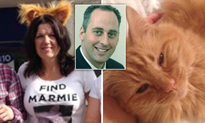
Raġel separat, dan l-aħħar ittella’ l-Qorti akkużat li seraq lil ‘Marmalade’, il-qattus adorabbli tal-eks mara tiegħu. Dan għamlu ġimgħat wara s-separazzjoni tagħhom.

Jonathan Brewster ta’ 45 sena telaq minn daru f’Maidstone Kent u spiċċa akkużat li seraq il-pet ta’ 13-il sena. Martu Tracy, ta’ 52 sena iddedikat dawn ix-xhur tfittex lill-qattus u sa spiċċat tilfet ix-xogħol li kellha, biex tagħmel hekk ma’ bosta ħbieb tagħha.

Issa, Jonathan, li hu inġinier mekkaniku qed jallega li kellu bosta theddid għal ħajtu fuq l-akkuża li seraq il-qattus u rmieh. Wara li deher bħala akkużat fil-Qorti tal-Maġistrati f’Maidstone, ingħata l-ħelsien fuq pleġġ sa ma jibda jinstema’ l-ġuri f’Jannar li ġej.

Intqal li hekk kif ‘Marmalade’ ma rritornax id-dar, Tracy u l-ħbieb tagħha ġabru s-somma ta’ £1,300 għal min isibu u waqqfu bosta gruppi ta’ voluntiera, li qagħdu jfittxuh fit-toroq. Iżda t-tiftix ma ta l-ebda riżultat.

Terry qed tallega li l-qattus hu meqjus bħala binha u qed tgħix ħajja ddisprata mingħajru.

Talja

TALJA   Sat-Tieni Gwerra Dinjija t-talja kienet, tista’ tgħid, il-ktieb tal-kontijiet li l-bdiewa kienu jżommu biex jitħallsu mill-pitkal li jkun biegħ il-biegħa tiegħu. Fi żmien meta l-bdiewa ma kinux jafu A minn B u wisq inqas jiktbu, it-talja kienet isservi ta’ reġistru. It-talja kienet tkun magħmula minn virga tas-siġar tal-qastan, bħal dawk li jintużaw ukoll biex isiru l-qfief l-antiki. Minnhom l-iskrivani tal-pitkalija kienu jfasslu injama twila daqs 40 ċentimetru u wiesgħa daqs 2.5 ċm. Fit-tarf kien ikun hemm ma’ fejn tintrabat, biex din tinġarr taħt il-karettun mill-bidwi.

Fuqha l-iskrivani kienu jniżżlu sinjali qishom ittri, bħalma kien isir fil-Mesopotamja, biex b’hekk ifakkru lill-bidwi xi ħlas kellu jieħu. Dan għaliex il-bidwi ma kienx jitħallas dak il-ħin li jġib il-prodotti tiegħu fil-pitkalija. Fl-istess ħin l-iskrivan kien iniżżel kollox fuq ir-reġistru tiegħu. Fuq it-talja kienu jitnaqqxu diversi sinjali skont kemm kien jiswa’ x-xiri li jkun irċieva mingħand il-bidwi. Pereżempju meta titnaqqax l-ittra X din kienet tfisser in-numru għaxra, bħal fin-numri Rumani, u kienet tirreferi għal għaxar skudi. Dan minkejja li l-flus dak iż-żmien kienu flus Ingliżi, u għaldaqstant il-ħlas ta’ għaxar skudi kien jitħallas b’xelin u tmien soldi għal kull skud. Rig imxaqleb kien ifisser ħames skudi, rig dritt kien ifisser skud u nofs u rig dritt mhux imħaffer bosta kien ifisser karlin. It-tnaqqix ta’ flus kbar kien isir fuq il-faċċata tat-talja. Il-prezzijiet iż-żgħar kienu jitnaqqxu fil-ġnub tat-talja. Meta fl-aħħar, wara bosta xhur, il-ħlas tal-flus isir, l-iskrivan jieħu t-talja mingħand il-bidwi u jaħraqha, biex ma terġax tintuża. Informazzjoni misjuba fil-ktieb Tifkiriet tal-Imgħoddi ta’ Charles B. Spiteri u addattata.

Moda ġdida fuq Facebook

Charles B. Spiteri

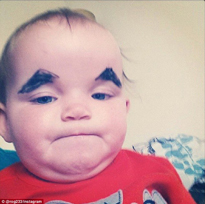
altJidher li fi ftit żmien saret moda ġdida l-vidjos tat-trabi jduqu lumija għall-ewwel darba jew b’xi dehra stramba għall-aħħar.
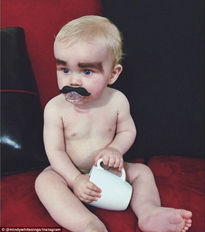
Il-ġenn ġdid jinvolvi tfal ipinġu, oħrajn b’eyebrows mhux solti u mpinġijin fuq it-trabi biex jitteħdulhom ir-ritratti u numru ieħor ta’ tfal f’qagħdiet apposta u mhux tas-soltu biex jidhru fuq Facebook.

altKien hemm bosta li rriferew għal dan kollu bħala ‘krudeltà’ mat-tfal, waqt li l-ġenituri qed jinsistu li b’hekk mhuma jonqsu xejn lil uliedhom.

Forsi l-aktar li dehret bi kbira kien, għax ftit żmien qabel, ir-raġel ta’ Kim Kardashian kien akkużat li biddel l-eybrows ta’ bintu North, li kellha sitt xhur biss. Madankollu hu mill-ewwel ħareġ bl-attakk li bħala missier altma kien se jagħmel xejn li ’l quddiem ikerrah id-dehra tal-istess bintu. Żied jgħid li min juri nuqqas ta’ qbil ma’ dak li wettaq hu, hu bniedem marid.