Love and Destiny

They met again after three years. Beside them, in a half empty coffee house, were two cocktails, still scrupulously untouched, lying there opposite them in a solitude and lonely appearance. Both stared at each other, speaking no words and uttering not a faint sound between them. 

Three years ……Three long years had passed during which they had not seen each other and only occasionally heard news of each other. Now, there they sat in a war-torn London coffee house, not knowing where to begin. They had met again by chance under the statue of Eros in Piccadilly. A Londoner with an aristocratic family background, was on a three day rest leave from his Royal Air Force base in Scotland. An American girl from Missouri stranded in London during the war, intended to meet a colleague with whom she was to finalize schedules for the evacuation of children from London.

Jane Hammond was now nearing her late twenties while John Arnold was in his early thirties. He noticed that she had retained the same glaring characteristics and the same supernatural way of looking deep into other peoples’ eyes. He had never forgotten the long black hair gathered neatly together behind her neck. She had always worn her hair that way, reminding him of the lightness of cool summer air. It was still there, this long black hair falling back and tied with a broad, red coloured ribbon. There it was, as it had always been, as he had always dreamt it would be. Also he could not forget the blue glaring eyes. They always had a particular attraction to him, a particular beauty unmatched in his imagination. He could never dream the like of them anywhere else. 

They had both gained a bit of weight. Both added some wrinkled lines around their eyes and mouth…………lines of experience, of that inner wisdom, so much unknown in youth. 

They were now beside the low table in the far corner of the coffee house. On their left, pairs of lovers were drinking amicably, talking and laughing their young hearts out. Some cuddled and hugged in a loving embrace of affection, while above them, through the open-roofed ceiling, the moon was bestowing the right setting for the execution of love. A white glaring moon was clearly visible in a light blue heaven. 

John was a spitfire pilot carrying out nightly air raids over Germany. He knew that it was a highly dangerous job but he and his colleagues were determined to safeguard their country and their countrymen.  The missions over Bremen, Cologne and Hannover were what were called, a ‘death run’. Many of his colleagues did not return from their sorties. Some were brought down on foreign soil by heavy enemy gunfire. Some went down in the channel lacking fuel to reach the cliffs of Dover. Others hobbled back, damaged and injured, to fight another day.

Jane was still looking forward to return to America. Meanwhile she stayed with friends in London, helping in the war effort. Presently she was assisting in the organization of evacuating children from bomb-targeted London to safer towns and villages in the north.  “John” she stammered. Her fingers fumbled with the light yellow handbag in her hands, her eyes were lowered and excitement was telling on her. She could bear it no longer.  “It’s nice to see you again Jane”, he said. They evaded each other’s eyes, shamed from neglect and lack of foresight in their personal affairs. She, in particular, felt a strong emotion within her, an inner feeling of happiness and joy that follows ultimate excitement.

Three years ago, before the war, John Arnold was very much in love with her, and she was none the less with him. They courted assiduously but although they were not yet engaged they had made plans for tying the knot. Jane was a lonely American girl, while he was engaged as a free-lance sports writer. Their love was great within itself. How often had they pledged to love each other until their last dying breath? How often had they vowed that there would never be any other person in their lives? Very often he used to hold her strongly in his arms and whisper in her ears that he loved her as much as there are waves in the ocean sea, as much as there are sandstones on the beaches. They often kissed passionately under the very moon they were looking at today, the very same moon of three years ago.

On Sunday mornings, rain or shine, they used to walk aimlessly arm in arm along the uncultivated paths of the neighbouring villages. He would compare her beauty with the lovely colourful flowers along the way. He would recite her poems. She would laugh at his exaggerated mutterings. They had pledged to love each other eternally. But then all young lovers do so. Then he joined the RAF; was posted in Scotland; started piloting the new Spitfire aircraft. And they lost touch. War, unfortunately, does not leave much time for love and romance. 

During the Battle of Britain he formed part of the aerial defense, meeting the German bombers and fighters as they came in large formations across the channel. Now, as the RAF began to retaliate, he was with Bomber Command accompanying the Allied bombers in bombing missions over Germany. 

As they sat drinking cups of bad-tasting coffee, they recounted on their lives these last three years and on their aspirations for the future when the war is over. They found their old love back and promised solemnly to keep in touch with each other. They walked the streets of London, hand in hand; sought refuge in damp shelters during air raids; kissed under dim street lamps and embraced in dark corners. Then he went back to Scotland and she continued her work in the city.

Their love blossomed over time – by letters, post cards, phone calls and occasional meetings. During one of their meetings they looked for a place of their own. They found one of their dreams – a cottage in the Kentish village of Leith Hill which they rented and prepared for their marriage. 

But Jane had first to return to America, see her parents, obtain important papers and documents, get some personal things and return back to London to prepare for her important date and sharing life with John. They knew that they would be separated at first because of their war commitments and with both being far away from each other. But as soon as the war ends they would move to the cottage and be together forever.

As Jane stood on the dock in Liverpool harbour waiting to board the ‘SS Berkshire’, she assured John that he would always be in her thoughts. He kissed her passionately and watched her mount the gangplank. When she reached the deck, Jane turned, waved her hand and blew kisses towards John. The porter picked her bags and accompanied her to her cabin.  The ship left harbour early in the morning and John took a train back to his base in Scotland.

Immediately he got back to base, John was entrusted to lead a special mission over Germany. His mind was still on Jane and his marriage on her return. After returning from their successful sortie, the crew relaxed over cups of tea and biscuits in their quarters listening to the radio and reading books and newspapers. 

With his hands behind his head, his long legs sprawled on the table, his mind wandering, he looked at his co-pilot reading yesterday’s ‘News Chronicle’. Then he saw the headline – “The SS Berkshire torpedoed in the Atlantic. No survivors!”

Shocked and speechless, he gathered his flying gear and went to his private place. He sat down, head in his hands and cried. He laid there for some time, his mind bringing memories of his Jane, one episode after another. Then he went to sleep. 

The following morning John was assigned to carry out a raid to the Ruhr valley, twenty bombers and ten fighter escorts. The target was the steel works. They dropped their heavy load but they met with heavy ground fire from all sides. The Germans were defending their ground desperately. 

As the badly-damaged raiders returned to their base, there were several casualties. The crews looked out for their colleagues – those who returned and those who did not. John, who again led the raid courageously and without fear, was listed as ‘Missing, presumed dead’. The men went silently to their quarters. They felt tired, sad and angry. They had lost so many of their colleagues today among which was their own brave leader. 

Strange Experience

It all happened suddenly about 4.00 a.m. of Wednesday, 14 March 1859. I tried to stretch my limbs, lift my arm, move my legs; nothing happened. I tried to call my mother but my mouth produced no sound. My eyes were fixed in a permanent position. Strange enough however, I could hear everything – the clock ticking, the dogs barking, my brother snoring in the adjacent room ………. everything. I had nothing to do except wait patiently. Those were desperate hours. 

Then the real story began. It was 7.00 a.m. when my mother came to wake me up for work. She shouted in my ears. I heard her and saw her beside me but I could not answer back. I could not move, smile or show any sign of communication.

My mother, driven mad, rushed downstairs repeating to my father and brother that I was dead. I saw them near me with tears on their cheeks and a desperate look in their eyes. They were shocked and crying. Even my father, my brother and my sister seemed to confirm my mother’s fallacious belief. I had to admit myself that I was dead or, better still, would soon be dead. 

The doctor was called for and, on entering the house, told them that they had spoilt his sleep. He then pompously entered my room. I could see his bald head bending on my chest. He was tickling me with his long, untrimmed moustache. And he smelled!  I had to endure all this for some time. Then the long experienced doctor straightened up and concluded that I was dead. Dead!!  How could I convince them that I was alive?

The situation was now becoming desperate. My mother kissed my cold forehead and cried her heart out. Of course my forehead was cold, it was March and the windows were open so that the room would not smell the damned smell of the dead. That morning, in fact, was an exceptionally cold one and I was freezing. 

A warm tear fell on my face. My parents, uttering hysterical lamentations, started clearing the room, otherwise visitors would not have enough room to crowd around me. All fancy ornaments were removed. My photo, lying on my bedside table, found itself in my mother’s embrace. 

Four large candles were fetched, lit up and positioned around me in the centre of the room. People – relatives, friends and neighbours – were ceremoniously admitted in my presence to pay their last respects. A boy was sent hurriedly to get the coffin maker. 

Old women came en masse, like they traditionally do on these occasions. There were also many children as I could hear their elders ordering them to be quiet. It is said that the left foot of the statue of St. Peter at the Vatican is being worn off by the kissing process of visitors. On the contrary, my forehead was accumulating a thickness of dirt from the stinking lips of shabbily dressed old women and smeared-faced little urchins. 

Those kisses were neither remonstrations of love nor signs of pity. Those visitors were faithfully conforming to the tradition and custom of the time. No doubt the little sillies, seeing the grown-ups doing this ceremony, copied it jovially. I had to forego all this with astonishing resignation and unnoticed annoyance. I had no option. 

I heard lots of stories from my friends that day wherein I was made the hero, featuring in some bravado, stories created at that same moment to alienate the sadness and depression of my relatives. Among the constant crying, an occasional laugh broke the gloomy atmosphere of the room. 

Old timers opened their big mouths, showing decaying teeth, meaning to show consent and approval. Some of the dirty little scoundrels helped themselves and were carrying little souvenirs with them before leaving – books, pencils and other things which come useful when they return to school. 

The party was going on nicely and smoothly. Unfortunately I was not enjoying it at all. I stood there helpless, an image for respect and comment. It was here that I learnt that my nose was slightly twisted and my mouth was a little too big for my face. They also said that I retained, even in death, a natural smile. Some said that I was smiling at the angels. The truth was that I was tearing myself apart seeing these parasites around my corpse. For me these were no angels, but demons from the depths of hell, come to disturb my peace. 

My father was persuaded to rest in another room. The shock was too much for him, poor old man, not much in good health. How I wished that I could move and talk! Then the situation would be corrected immediately and all this farce would come to an end. I would have thrown out all those nosey pokers who came just to satisfy their curiosity, rather than to genuinely console those I was leaving behind. 

Piercing cries of grief, despair and lamentation greeted the coffin-maker. He was so unlike the others around me. He looked all over me in a business-like manner. He carried on his work of measuring my length in an unconcerned way and his behavior was most unmannerly. He laughed between his teeth as if he was glad that I was dead and he was earning his commission. All it meant for him was pure business and nothing else. 

As noon tolled its usual Angelus, I saw with great relief, most of the intruders rise and leave the room, of course after going through the act of telling my mother “We are awfully sorry, may God grant you patience and long life!!” 

Guests and visitors being gone, silence reigned supreme in my room save for the rhythmic sobbing of close relatives. No food was served on that day, except for cups of tea and biscuits. Everyone at home kept themselves occupied in weeping and other remonstrations of affliction. 

While all this was being enacted around me, I kept guessing how it would finish. I tried to convince myself that my paralysis would be over before they would bury me. I hoped it would, with all my heart I hoped it would! 

But my wish was not granted. At about 4.00 p.m., twelve hours exactly after my death hour established by the doctor, the coffin-maker returned accompanied by four coffin–bearers. How I wish that I could describe those faces! Four rough brawny men, two of whom had scars on their faces. Their looks were terrifying and their language, when not in front of my relatives, was most foul. These were the four cut-throats who were hired to accompany me to my everlasting peaceful place. 

Then there were mother, father brother and sister who, at the sight of these rough bearers, burst out shouting and weeping and begging that I be left another twelve hours in their company. I heard cries – that melancholic rhythm of the weeping which came from every corner of the house. I heard steps –coming and going, in and out of the room. And I saw the ghastly light of the four candles playing a funeral air with the in-coming breeze. 

The thing that I had dreaded most had now arrived. I was lowered gently in the coffin under the agonizing look of my relatives. “No!” I wanted to shout, “Wait, I should be left another twelve hours here. This is required by law. Mother and father why did you give in to the blubbering of these four ruffians who are always eager to have the ceremony through as early as possible? Why the hurry? Why? Please leave me be ………..” These were my thoughts. I could not speak. My thoughts, as are those of everyone else’s, were inaudible.

The facts are now known. Although my parents had raised many an excuse to leave me with them for some more time, the coffin–bearers had persuaded them to bury me as early as possible in order to conform to the health laws.  They argued that the stipulated twenty four hours expired on Sunday at the Ave Maria. Therefore I was either to be left here until Monday morning, which was not permissible by law or, as was proposed, I be transferred to the Mortuary room at the cemetery that same day. 

This was considered to be the most plausible argument and was therefore agreed to by all. So my best friends came with wreaths and flowers, stinking ones some of them were, and seated themselves beside me. They all had loved me once. They all had liked my company when I was with them. Now, they were on tenderhooks to see the ceremony over. They wanted to have me buried at the earliest and go back to their wives and girlfriends. They had other appointments after this one. “Life goes on”, it had always been said.

“Make way, let this family alone!” shouted a hoarse voice. It was the undertaker who came to screw the lid of the coffin. Prayers were administered and last kissing ceremonies being over, I was remorselessly shut down and secluded from the outside world. 

How can I describe what I felt while I was there? I knew that all hopes of getting out were now futile. A few more hours and the farce would have a tragic ending. Amid the cries and hysterical weeping, I felt that I was being lifted and moved. I was on my way to eternal sleep. This time it looked more real. 

They were going down the first flight of steps carrying me with them. This was the end. I wanted to shout at them and tell them – “Easy, you damned fools. This is no common load that you are carrying. Be careful and make it smooth!” But, of course, they could not hear my thoughts.

“Put him down gently”, commanded the familiar hoarse voice. “Let me see him for the last time”, my mother frenzied. I heard the bolt being unscrewed and once more I could behold those stricken faces. Mother, father, brother and sister showered a rain of kisses over my face. I did not mind. I was enjoying some fresh air. I needed it badly. “That is enough”, cut short the undertaker who was more than eager to go through with this ceremony without more loss of time. 

The lid closed. I felt myself being lowered down. I dimly heard the sound of cries, sobs, dust falling on the top of the coffin, stone slabs being put on the grave. Then silence, darkness, solitude, despair …………. I knew that there was nothing that I could do except wait patiently for the end to come.

The noise had long died away; the birds were long resting in the trees; the cemetery gates were certainly closed shut. Most people must be sleeping peacefully in their homes and I was dying like a rat. My friends might be enjoying themselves at a restaurant or the theatre, their long time friend forgotten. My parents, brother and sister however must be hurt at losing me and must be surely in despair.

I prayed and wept but no tears showed on my face. I implored all the saints in heaven to help me, to get me out of there and restore me to my family. This was no way to end one’s life. I tried to shout but did not succeed. Where was my voice? I tried to move but I could not. I waited and prayed, wept and despaired, hoped and prayed again. Seconds passed by, minutes followed slowly and then an hour. The cemetery bell chimed the eleventh hour. 

Then it happened all of a sudden. I heard my own breath, though very feeble. I shouted and this time the coffin resounded with the sound of my voice. My voice! My voice! I was recovering. It was a mixture of joy, hope, but also desperation. Then my limbs moved. I tried my arms, my legs. They responded. It appeared that I was recovering from my paralysis.

I turned my back against the lid of the coffin and pushed with all my strength. It gave way and I breathed the contaminated air of the occupied grave. I forced my way out of the coffin and sat for a minute contemplating my next move.  Beneath the coffin were two other coffins and the smell was intolerable. I touched the ceiling. It was not high. I put my head against one of the slabs and lifted. It was freshly sealed and gave way easily. Up it went. I pushed with all my strength. Then got out and heaved a sigh of relief. 

As I pulled myself out of that dreadful place, I rushed into the open air and sat breathless on the tombstone inhaling the fresh breeze. Darkness filled the area around me. Near me were all sorts of marble monuments while in the distance I saw the silhouette of the chapel and tall birch trees. Further away was the town from where some lights flickered in the darkness of the night. 

My residence was some three miles away. I looked at myself and discovered that I was wearing an old black suit, socks but no shoes. The cemetery clock tolled 1.00 in the morning. As quick as I could I jumped over the wall which, fortunately, was not very high. In haste I made my way home. I knew that it was not going to be easy to present myself to my family when they were so sure that I was dead and buried. But they had to face it. 

It was past 2.00 in the early morning when I reached my town. Slowly and noiselessly, I made my way home. My parent’s room showed some light. I was certain that they would not be sleeping that night. I knocked and my mother came down to answer. “Who is there? she sobbed. Without thinking twice, I told her “It is me, your son Joe!” She recognized my voice; opened the door and, on seeing me, fainted in my arms. My father, brother and sister were awakened. They were bewildered when they saw me. How could I explain that I was no ghost? They stood there before me, amazed, and would not touch me.

Some minutes later, after explaining the situation, I was holding my family members to my chest.  When things calmed down my father said “Let us sit down”. Then he gave me a tot of whisky in a glass. I gulped it down and related to them the whole story. They were so happy to have me back with them after that ordeal. It was 4 in the morning when we went to bed. I knew that now it was all over.

Next morning I did not wake up for work. When I appeared in the streets I had a difficult task explaining how it happened. Everybody was asking about the doctor who had certified my death!  “Well, he must have been in a hurry!” I responded with sarcasm. “But let us forget this terrible experience now and go celebrate my return to real life”. 

“But how can it be that you were buried before the expiration of the stipulated twenty four hours?” they asked. “It was all the doing of the undertakers, they would not come on Sunday, so they wanted to finish the job on Saturday”, I replied. “How does it feel to be down there?” was another eager question. “Well, I felt like all dead ones do, except that while I wished and struggled to return here, on the contrary, real dead ones do not”, I laughed in their face.

This was indeed a strange experience, but at least I learned my position in connection with those I had to live with – my family, my friends, my neighbours. I will certainly be better disposed next time I have to cross to the other side.

Today, thanks to the progress of medicine and to more stringent health laws, such things will not repeat themselves. In those days, however, such happenings were not a rare occurrence.     

The Man with a new Face

‘Queens College Hospital’ in Nottingham’s east side was a military hospital specializing in the treatment of facial injuries, reconstruction of facial features and plastic surgery. It treated soldiers, sailors and airmen of the British and Allied forces during the last war. It was situated in a secluded part of the town, beyond the park, with security all around to discourage visitors, intruders and curious people. It was rumoured among the town’s people that strange things happened there. 

The hospital was actually a large and old stately house converted by the Military authorities for service personnel who needed special facial treatment following head injuries sustained during the war. It was run by Dr Chris Cox and his team of doctors, surgeons, nurses and other medical staff, all of whom were qualified and experienced in this special field. Although most of them were civilians they were under the orders of the military and not the civilian government.  

“When are they going to remove the bandages from my face?” asked the patient as he walked in the extensive garden grounds of the hospital. Nurse Smith, who was accompanying him, looked at him tenderly and replied.  “Next week. I saw it marked in the surgeon’s schedule. The time has come.”

“I want to see my face. It has been more than a year since I was admitted here”, he remarked expectantly. “You will be as good as new, mark my words, but you will have to adjust to your new face.” replied the nurse. “I will. It was not much of an angel’s face to begin with!” he replied mockingly. He was anxious but he was also afraid. He had not stepped out of the hospital for a whole year. When he entered the hospital he told the doctors that he could not recall his name and regiment, so he was referred to as ‘Lucky Leslie’ because he was considered to have been lucky to survive following his extensive injuries. He did not remember when he was brought in straight by ambulance from Folkstone, probably because he was then unconscious, . But he remembered the bombs, the mines, the deaths, the fear, the ships and the utter confusion on the beaches of Dunkirk. British and Allied troops were stranded on the beaches of this French coast on that fateful day in June of 1940. German planes bombarded them and Panzer tanks surrounded them. The remnants of the Allied army were helpless. The German troops in front of them, the enemy plans above them and the sea behind them.

Besides the Navy, more than 700 little ships, mostly fishing boats and pleasure crafts of all shapes and sizes, were put to sea from the shores of England. Some were men who hadn’t navigated a vessel for years but had volunteered to race across the channel and pick up the stranded soldiers who were under a hammering from the German guns and planes. Under horrific conditions they did their best.  Thousands of men, not only British, but also French and Belgian soldiers were plucked from those beaches. Trip after trip was made to bring these men back to England and fight another day. The evacuation of all these men was a miracle in military history: 68,000 soldiers were killed or captured while 330,000 were successfully evacuated back to England, snatched from the jaws of certain death. 

But behind them, along the sand dunes of this French seaside town, a mass of bodies covered the beaches and many more floated gently in the sea. It was a defeat but, as Winston Churchill said later, also a victory at the same time. He remembered lying half unconscious on the beach, his face covered in blood, unable to move and waiting for help. He recalls how two men bandaged his head, put him on a stretcher and raced with him to board a small boat already full up with other wounded men. 

Then he lost total consciousness as the skipper arrived in Folkstone and all the men were disembarked. He was taken to a make-shift hospital set up purposely to see immediately to the needs of the wounded. On seeing the smashed face, he was transferred to ‘Queens College Hospital’ without delay where, diagnosed as in urgent need of major treatment, he was immediately operated upon. Dr Cox informed the staff that the patient would have to stay in the hospital for a long time, during which he would do his best to reconstruct his face. 

For a whole year Dr Cox and his team worked on him with utmost care. The day had now arrived when they would see the result of their labours. What would be his reaction when the bandages were removed? Would he like his new face? Would he accept his new identity?

On the day when his bandages were to be removed, Nurse Smith sat beside him for a long time giving him encouragement and boosting his spirit. When, finally, Dr Cox removed the bandages, Lucky Leslie did not want to open his eyes. When he finally did, he asked the nurse for a mirror, looked at his face and cried. He was satisfied with his new face, but he did not recognize himself! He was a new man.

He was congratulated by Dr Cox, Nurse Smith and the staff, however he replied that it is they who deserved the congratulations for the miracle that they had performed. He would forever be indebted to them for giving him a new life.

On a fine day in September of 1941, Lucky Leslie walked out of ‘Queens College Hospital’ and stepped out into the outside world. Fifteen months closed in a hospital made him wary of the future. He took a train to Coventry where he intended to settle down as it was the place he was brought up in, which he knew well, where people he knew lived and worked. His parents, unfortunately, had both died tragically during one of the air raids on the city.

Coventry had changed. The city had suffered terribly from bombing during the early stages of the war. He settled in a lodging house and then strolled along the streets of the old town. Familiar landmarks, familiar faces. He saw Peter, his life-long friend, said “Good day” to him, he replied “The same to you mate” and went his way. He did not recognize him! He was a stranger in his own town and among his own people.

He took up light work at a department store because his leg prevented him from doing any strenuous work. He was hard working and diligent and an organizer. In a short time he gained the confidence of the directors and was promoted to manager of the store, with responsibility for purchase and display.

One day he sat down on a bench in the park reading the newspaper. When, looking sideways, he was surprised to see his former girlfriend at the nearby bench. She was the same as he had remembered her – good-looking, vibrant and talkative. They got talking about this, that and the other.

“Are you from Coventry?” she asked. “No, I came down from Newcastle some months ago, I now work at Curry’s” he replied. She told him, about herself, her work as a cashier, her parents.   They got on well together and promised to meet again.

When they met again, Gill Askew showed him a photo of her former boyfriend Clarence Woods whom, she said, she had loved dearly and was devastated when he was reported ‘missing presumed dead’ in Dunkirk a year and a half ago.  Lucky Leslie, as he was now known by everybody, admired her loyalty to him when he was still known as Clarence Woods. She still loved him! Well, she still loved his previous face!

Their courtship continued while Coventry was under a bomb siege from German aircraft, when the town suffered heavily and many people died.  They were married in March of 1942. He told her that he did not have any objection to the picture of Clarence being hung in the house. He also insisted on accompanying her occasionally to St. Thomas Cemetery where a plaque in memory of her former boyfriend was erected by his parents. He said that he felt him to be like his unfortunate brother. So Gill hung his picture along with their wedding photo. Lucky Leslie and Gill Askew lived a happy life together filled with love for each other and were blessed with two children, a boy and a girl. 

On 14 December 1980, Lucky Leslie died in his sleep at 60 years of age. He was buried in the town’s St. Thomas Cemetery. His plaque reads – “LUCKY LESLIE, AGED 60 YEARS, DIED ON 14. 12. 1980.  A LOVING AND DEDICATED HUSBAND AND FATHER.  R. I. P.”  Right next to him  stood the memorial plaque of Clarence Woods with the following inscription – CLARENCE WOODS, AGED 20 YEARS, DIED IN JUNE 1940 AT DUNKIRK FIGHTING GALLANTLY FOR KING AND COUNTRY. R. I. P.”

And so Lucky Leslie or Clarence Woods took his secret with him to the grave. Two memorials, two graves, but one man. When Gill visits the cemetery and prays for both the men she loved in her lifetime, little does she know that they were one and the same person.

Stola u Salib

STOLA U SALIB   Espressjoni li tfisser li bniedem li wieħed ikun qiegħed jirreferi għalih hu bla sold fil-but. Ara Joseph Aquilina.

Ħajr lil Dun Ġwann Galea.

Imut l-itqal bniedem

Charles B. Spiteri

alt

Miet il-Messikan li darba kien imniżżel bħala l-itqal bniedem tad-dinja. Kellu 48 sena.

Manuel Uribe, li fl-2006 kien ċertifikat mill-Guinness World Records bħala li jiżen 1,230 libbra kien naqas għal 867 libbra.

Il-mewt ta’ Uribe kienet konfermata minn uffiċjal fid-dipartiment tas-saħħa tal-istat ta’ Nuevo Leon, fejn tinsab il-belt ta’ Monterrey. Hu kien iddaħħal hemm snin qabel, peress li ma setax jimxi waħdu. Barra minn hekk kellu problemi bil-qalb. Biex twassal l-isptar kellu jintuża krejn mill-ħaddiema tal-emerġenza u tal-protezzjoni ċivili.

alt

Fl-2008, Uribe żżewweġ lil Claudia u din l-okkażjoni kienet waħda mill-ftit li ġegħlitu joħroġ mid-dar fl-aħħar snin. Sa ma ġie biex jiżżewweġ u wara snin ta’ dieta, eżerċizzju u kura medika, Uribe tilef aktar minn 550 libbra. Kellu f’moħħu li fil-knisja jimxi sal-artal, iżda ma rnexxilux. Skont l-Associated Press, kellu jikri trakk biex jimtedd fuq sodda li nħadmet apposta, u meta wasal ħdejn l-għarusa tiegħu li dak iż-żmien kellha 38 sena, nfexx jibki, u lanqas daq il-kejk tat-tieġ tiegħu stess.

Aktar qabel, meta kien jiżen 280 libbra, Uribe kien miżżewweġ lil Solis, iżda meta beda jeħxien b’mod drammatiku, ir-relazzjoni tagħhom saret diffiċli, u talbet għad-divorzju.

Il-ħxuna enormi tiegħu bdiet tidher sew fl-1992. Imbagħad, fl-2007 stqarr mal-ABC News li għamel kull dieta li wieħed jista’ jimmaġina, iżda ma kiseb ebda riżultat.

Sa mis-sajf tal-2002 Uribe spiċċa fis-sodda, jiddependi minn ommu u l-ħbieb biex jitimgħuh u jnaddfuh.

Il-Qorti wara l-għajbien ta’ qattus

Charles B. Spiteri

alt

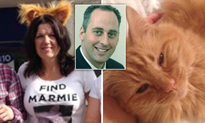
Raġel separat, dan l-aħħar ittella’ l-Qorti akkużat li seraq lil ‘Marmalade’, il-qattus adorabbli tal-eks mara tiegħu. Dan għamlu ġimgħat wara s-separazzjoni tagħhom.

Jonathan Brewster ta’ 45 sena telaq minn daru f’Maidstone Kent u spiċċa akkużat li seraq il-pet ta’ 13-il sena. Martu Tracy, ta’ 52 sena iddedikat dawn ix-xhur tfittex lill-qattus u sa spiċċat tilfet ix-xogħol li kellha, biex tagħmel hekk ma’ bosta ħbieb tagħha.

Issa, Jonathan, li hu inġinier mekkaniku qed jallega li kellu bosta theddid għal ħajtu fuq l-akkuża li seraq il-qattus u rmieh. Wara li deher bħala akkużat fil-Qorti tal-Maġistrati f’Maidstone, ingħata l-ħelsien fuq pleġġ sa ma jibda jinstema’ l-ġuri f’Jannar li ġej.

Intqal li hekk kif ‘Marmalade’ ma rritornax id-dar, Tracy u l-ħbieb tagħha ġabru s-somma ta’ £1,300 għal min isibu u waqqfu bosta gruppi ta’ voluntiera, li qagħdu jfittxuh fit-toroq. Iżda t-tiftix ma ta l-ebda riżultat.

Terry qed tallega li l-qattus hu meqjus bħala binha u qed tgħix ħajja ddisprata mingħajru.

Talja

TALJA   Sat-Tieni Gwerra Dinjija t-talja kienet, tista’ tgħid, il-ktieb tal-kontijiet li l-bdiewa kienu jżommu biex jitħallsu mill-pitkal li jkun biegħ il-biegħa tiegħu. Fi żmien meta l-bdiewa ma kinux jafu A minn B u wisq inqas jiktbu, it-talja kienet isservi ta’ reġistru. It-talja kienet tkun magħmula minn virga tas-siġar tal-qastan, bħal dawk li jintużaw ukoll biex isiru l-qfief l-antiki. Minnhom l-iskrivani tal-pitkalija kienu jfasslu injama twila daqs 40 ċentimetru u wiesgħa daqs 2.5 ċm. Fit-tarf kien ikun hemm ma’ fejn tintrabat, biex din tinġarr taħt il-karettun mill-bidwi.

Fuqha l-iskrivani kienu jniżżlu sinjali qishom ittri, bħalma kien isir fil-Mesopotamja, biex b’hekk ifakkru lill-bidwi xi ħlas kellu jieħu. Dan għaliex il-bidwi ma kienx jitħallas dak il-ħin li jġib il-prodotti tiegħu fil-pitkalija. Fl-istess ħin l-iskrivan kien iniżżel kollox fuq ir-reġistru tiegħu. Fuq it-talja kienu jitnaqqxu diversi sinjali skont kemm kien jiswa’ x-xiri li jkun irċieva mingħand il-bidwi. Pereżempju meta titnaqqax l-ittra X din kienet tfisser in-numru għaxra, bħal fin-numri Rumani, u kienet tirreferi għal għaxar skudi. Dan minkejja li l-flus dak iż-żmien kienu flus Ingliżi, u għaldaqstant il-ħlas ta’ għaxar skudi kien jitħallas b’xelin u tmien soldi għal kull skud. Rig imxaqleb kien ifisser ħames skudi, rig dritt kien ifisser skud u nofs u rig dritt mhux imħaffer bosta kien ifisser karlin. It-tnaqqix ta’ flus kbar kien isir fuq il-faċċata tat-talja. Il-prezzijiet iż-żgħar kienu jitnaqqxu fil-ġnub tat-talja. Meta fl-aħħar, wara bosta xhur, il-ħlas tal-flus isir, l-iskrivan jieħu t-talja mingħand il-bidwi u jaħraqha, biex ma terġax tintuża. Informazzjoni misjuba fil-ktieb Tifkiriet tal-Imgħoddi ta’ Charles B. Spiteri u addattata.

Moda ġdida fuq Facebook

Charles B. Spiteri

altJidher li fi ftit żmien saret moda ġdida l-vidjos tat-trabi jduqu lumija għall-ewwel darba jew b’xi dehra stramba għall-aħħar.
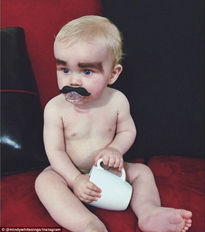
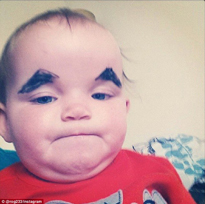
Il-ġenn ġdid jinvolvi tfal ipinġu, oħrajn b’eyebrows mhux solti u mpinġijin fuq it-trabi biex jitteħdulhom ir-ritratti u numru ieħor ta’ tfal f’qagħdiet apposta u mhux tas-soltu biex jidhru fuq Facebook.

altKien hemm bosta li rriferew għal dan kollu bħala ‘krudeltà’ mat-tfal, waqt li l-ġenituri qed jinsistu li b’hekk mhuma jonqsu xejn lil uliedhom.

Forsi l-aktar li dehret bi kbira kien, għax ftit żmien qabel, ir-raġel ta’ Kim Kardashian kien akkużat li biddel l-eybrows ta’ bintu North, li kellha sitt xhur biss. Madankollu hu mill-ewwel ħareġ bl-attakk li bħala missier altma kien se jagħmel xejn li ’l quddiem ikerrah id-dehra tal-istess bintu. Żied jgħid li min juri nuqqas ta’ qbil ma’ dak li wettaq hu, hu bniedem marid.

Xixu

XIXU Logħba tat-tfal li kienet tintlagħab fit-toroq bejn żewġt itfal jew aktar. Dawn jużaw biċċtejn injam – waħda twila bejn 30 u 40 ċm u l-oħra laqxa ta’ bejn 5 u 10 ċm. Din tal-aħħar titqiegħed mal-art, u bl-injama l-kbira t-tfal kienu jagħtu daqqa b’saħħitha mat-tarf tal-injama ż-żgħira, biex din jalzawha mill-art u hekk tittajjar fl-ajru kemm jista’ jkun ’il bogħod. Jirbaħ il-logħba min iwassal l-injama l-aktar ’il bogħod. Meta l-laqxa jtajruha ’l hinn, imbagħad, kienu jgħidu, ‘Kemm se tieħu sal-posta?’ jiġifieri ‘Kemm hemm bogħod minn fejn waqgħet il-laqxa sa fejn hemm il-post aħħari fejn trid titwassal?’ U l-ieħor jgħid, ‘Ħa nieħu ħamsin’ (it-tul tal-injama mmultiplikat ħamsin darba). Allura jekk ikollu dubju jrid ikejjel ħamsin tul tal-injama t-twila mill-post fejn taret il-laqxa. Jekk il-ħamsin joqogħdu, jiżdiedu mal-punti, u jekk le jitlef kollox. Ir-regoli u l-intriċċi kienu jinbidlu skont it-tfal ta’ dak il-post.

Sorsi: Mario Galea, Facebook, Kelmet il-Malti.

A War Story

Joseph Lanzon

It was a nice spring day and people had escaped from their confined houses to enjoy the day in the warm sun. The grandfather was taking his six year old grandson to the park where he would play football with his friends, while he would relax sitting on a bench reading a book. 

More than two hours later the little boy returned to his grandfather sweating and tired from kicking the ball about. After a few minutes puffing and devouring a bar of chocolate, he relaxed on the bench besides his grandfather and asked him “Grandpa, could you tell me a story before we go back home?”

The old man smiled. He liked recounting stories while his grandson enjoyed listening to a good adventure. “Yes, I will tell you a little story about the war which I know that you will like because it has the thrills of an adventure.”

There was a man by the name of Ġużeppi. He worked at His Majesty’s Dockyard in Bormla during the war. The dockyard, then, was a beehive of activity. It was where crippled battleships, cruisers, submarines and aircraft carriers entered for repairs to enable them to continue the Allied fight on the high seas.

Bormla, being so near to the Naval Dockyard and the harbour, had been a prime target for enemy bombers. As a result, most of its houses and buildings were destroyed or heavily damaged while several people were killed and others gravely injured.  

Many of the residents had left the town to reside with relatives or friends in towns or villages in the north of the island, areas which were not subject to the incessant bombings like the south. 

Ġużeppi’s family had, in fact, settled in Rabat and he had to travel the long distance from Rabat to Bormla every morning and returning back in the evening. Sometimes, because of the intensive bombing or because of blocked roads, the buses did not work and he had to make the journey on foot.

One particular day in July of 1942, Ġużeppi went to work as usual at the dockyard. But that day was not to be a usual day. Bormla had just received a horrific hammering from German bombers which caused devastation to this old town.

Those who came from various other towns and villages to work here every day described Bormla as a ‘ghost town’ where dogs, cats and large rats roamed the streets and alleys for food. How it had changed! Before the war, Bormla was one of the busiest places in the whole of Malta where people came from all over the island to do their shopping. It was now an eerie place to visit.   

When Ġużeppi finished work he went to check on the old family house where he lived before the evacuation to Rabat. He was astonished to see that it was destroyed and brought to rubble. He remembered that he had done so much work in this house, including all the furniture, plumbing and electricity. He cried when he witnessed this absolute destruction.

Among the stones, rubble and pieces of wood from the broken furniture, he retrieved a wooden crucifix which had hung on the bedroom wall. Then, despairingly, he went his way to return to his family in Rabat.

The old rambling bus was filled with workers who lived in the northern part of the island. They were returning home after a day’s work in very dangerous circumstances. Sometimes during air raids they had to keep repairing warships because of the urgency of the situation. Sometimes, during heavy bombing, they took refuge in dug-out shelters. 

It was a long and uphill journey practically crossing the whole island. The workers on board the bus were grim-faced, their eyes filled with pity and, at the same time, angry at what they had seen all around them. Nobody spoke. 

As the bus rambled on, passing Marsa, Ħamrun and Attard, it started up the hill for its final lap to Rabat. The passengers were watching the tree-lined country road and the green fields behind them. They were anxious to reach home.

Without them knowing, a lone German fighter plane was hovering around like a hungry vulture seeking his prey. The pilot saw the old bus filled with people rambling its way up the hill. He dived down, engines screaming creating a frightening noise. The bus passengers looked up, saw the plane coming straight at them, and were terrified to death. The German pilot started machine gunning the bus riddling it with bullets.

The driver of the bus, afraid for his life, stopped the bus and everybody got out in a hurry making out for the nearby fields, hiding behind low rubble walls and small farmhouses.

Ġużeppi, with the crucifix close to his chest, jumped a rubble wall, ran to the field and hurled himself face down on the grass with the crucifix under his body.

The German pilot, looking on from above, seeing these helpless people scattering in all directions, started machine gunning them as they ran for cover. It was an eerie scene. There was utter silence except for the noise of the aeroplane engine and the rat-tat-tat of the machine gun.

Ġużeppi lay still, holding his breath, while spread-eagled in the field. He was praying to God, to the Holy Mary and to all the saints to let him live and go back to his family. He heard repeatedly the deadly rat-tat-tat of the machine gun and the occasional scream of other passengers. 

The bus was now ablaze like a great ball of fire in the deserted country road. The plane was still flying low, circling the horrible scene, the pilot looking for survivors to shoot them from above. Then he flew up, turned tail and went away. 

When the still frightened workers did not hear the sound of the plane and of the machine gun, they came out of their hiding places, grouped together and walked up the hill to Rabat.  

As the weary men walked away from the scene, they heard the anti-aircraft guns open up from Ta’ Qali airfield. A barrage of guns was shooting at a target in the sky. Then they saw the plane in flames, going down and down until it crashed in the field a distance away. They stopped, cheered and clapped.

They walked on and on until they arrived in town. Ġużeppi headed straight to his family, still visibly shaken, shocked and angry.

As he entered the house he found his wife Dela and his two sons Johnnie and Joey waiting anxiously huddled together. They sprung up when they saw him, ran up to him and he gathered them lovingly in his outstretched arms. 

Then he sat down and told them that their house in Bormla had been bombed flat. He showed them the wooden crucifix which he had retrieved from the destroyed house. Then, slowly, he recounted the terrible ordeal of the airplane attack on the bus and the passengers as they climbed the hill towards Rabat. Despite this terrible experience, they were all extremely happy that he was still alive and back with them.” 

As the old man finished his story, the child looked up and saw tears falling down his cheeks. “Why are you crying Grandpa?’ he asked him tenderly. “I’m remembering child, things I had almost forgotten which happened some fifty years ago. I want to tell you that this is a true story. The little boy Joey was then, like you, only six years old. He is, you know, actually myself! Ġużeppi is your great grandfather! He was a small man but in my child’s eyes of fifty years ago, he was as big as a mountain!

The sun was now setting and it would soon get dark. The old man and the small boy got up from the bench; the child’s small hands held tightly in his grandfather’s wrinkled ones and, slowly and silently, started walking towards home.