Is-Sorijiet tal-Madalena

Charles B. Spiteri

alt

Xi żmien ilu, id-Dar Pubblikatriċi BDL, ħarġet fis-suq il-ktieb ta’ Christine Muscat jismu Magdalene Nuns and Penitent Prostitutes Valletta li kellhom il-kunvent tagħhom fil-Belt Valletta. L-iskop ta’ dawn is-sorijiet kien li jrabbu bniet żgħar biex ’il quddiem jikkorteġġjaw lill-kavallieri. Hu ktieb li joffri studju profond ta’ dak li ġara f’pajjiżna fis-snin tal-Ordni.

Madankollu, dan l-aħħar, l-istess sorijiet issemmew fl-Irlanda, wara li l-Gvern tal-pajjiż talab apoloġija lill-10,000 ‘skjavi’ tas-Sorijiet tal-Maddalena, li qafluhom u ibbrutalizzawhom bejn l-1922 u l-1996. Fuq perijodu ta’ 70 sena, hu stmat li madwar 10,000 tifla ntbagħtu fil-laundries tal-Maddalena biex jagħmlu xogħol manwali iebes taħt is-superviżjoni tas-sorijiet Kattoliċi.

alt

Uħud intbagħtu hemm għax kienu t-tfal ta’ nisa mhux miżżewġa, waqt li oħrajn intbagħtu fuq akkużi ċkejknin, fosthom għax ma kinux ħallsu l-biljett tal-ferrovija. Inkredibbilment, l-aħħar mill-għaxar laundries li kienu jaħslu l-ħwejjeġ u l-lożor tal-lukandi ewlenin, tal-forzi armati Irlandiżi u tad-ditta tal-birra Guininess, baqgħet taħdem sal-1996. Bħala laundries, bdew jiffunzjonaw fl-1922. L-apoloġija statali waslet tmintax-il xahar wara li saret inkjesta mmexxija mis-Senatur Martin McAleese, li sab li waħda minn kull erba’ nisa, ntbagħtu fil-laundries mill-Istat.

alt

Hu żied li r-rapport ma sab l-ebda abbuż sesswali fil-laundries; li għaxra fil-mija tal-maqfulin intbagħtu mill-familji tagħhom u 19 fil-mija minħabba xi nuqqas jew akkuża li wettqu. Iżda dawk li baqgħu ħajjin, irrifjutaw l-apoloġija li talab hu, u stennew apoloġija aktar wiesgħa mill-Gvern u l-ordnijiet reliġjużi involuti.

alt

Maureen Sullivan, ta’ 60 sena, l-iżgħar vittma tas-sorijiet, ittieħdet għandhom meta kellha 12-il sena. Dak iż-żmien kien miet missierha u ommha reġgħet iżżewġet. Kien intqalilha li se tkompli l-istudju tagħha, iżda qatt ma reġgħet rat il-kotba li kellha tal-iskola.

Għal 48 sena baqgħet imwerwra mill-memorji tal-passat; ta’ tfulija mitlufa u ta’ xogħol iebes li jwettqu l-iskjavi. Issa qed tistenna apoloġija mill-gvern u l-ordnijiet reliġjużi talli serqulha l-edukazzjoni, isimha, l-identita’ u ħajjitha.

Irrakkuntat li sena wara l-oħra, filgħodu kienet taħdem fil-laundry. Jagħtuha tiekol biss ħobż u tilqit. Aktar tard kienet taħdem is-suf u qabel l-irqad, tagħmel il-kuruni tar-rużarju. Kien xogħol ta’ rutina, tqil u ta’ dwejjaq. Tirrakkonta: “Darba, meta ġew l-ispetturi tal-iskola jagħmlu żjara, ħbewni f’mina, għax naħseb li kont għadni żgħira għax-xogħol fil-laundry.”

Fi tmiem il-ġimgħat kienet imġiegħla taħsel l-art tal-knisja lokali, minflok titħalla tilgħab għal ftit tal-ħin. Issostni li s-sorijiet qerdulha ħajjitha u ma ħallewha qatt tiżviluppa bħala tifla żgħira.

Jum mill-ħajja fil-‘Laundry

F’intervista li tat fl-2011, Sarah Williams, li qattgħet sentejn taħdem f’laundries differenti tal-Maddalena tat din ix-xhieda tal-biża’, fuq il-ħajja fl-istituzzjonijiet:

  • Inqumu fis-6.00am. aħna t-tfajliet, b’veli suwed fuq rasna, nimmarċjaw għal quddiesa fil-kunvent kiesaħ silġ.
  • Il-kolazzjon ikun porridge b’ilma kiesaħ silġ u f’xi s-7.00a.m. ningħataw it-te u biċċa ħobż, qabel ma nerġgħu mmorru l-kappella għat-tieni quddiesa.
  • Imbagħad immorru fil-laundry biex naħslu, ngħallu, nonxru, ngħaddu u nitwu l-ħwejjeġ. Kien ikollna waqfa waħda għal ftit soppa qabel is-6.00 p.m.
  • Għall-ħabta tas-7.30p.m. wara li ninqaflu fiċ-ċelel żgħar tagħna, mgħammra biss f’barmil u sodda tal-ħadid, ningħataw mug ieħor ta’ soppa, li ġeneralment tkun tant kiesħa li konna nsaħħnuha xi ftit fuq il-kanen tas-sħana fil-kmamar tagħna.
  • Ir-rikreazzjoni kienet tkun ta’ nofs siegħa wara li nlestu x-xogħol, u stajna nisimgħu r-radju. Ix-xogħol kien isir fi kwiet strett, inkella nkantaw l-innijiet u nirreċtaw ir-rużarju, ħames posti f’ħames posti.
  • Offiżi żgħar bħal tinsa tilbes il-kappell istituzzjonali jew tinqabad tidħaq, ikunu kkorreġuti bi swat fuq ir-ras, b’mazz ta’ ċwievet  tqal, minn soru rrabjata.
  • L-eżerċizzju uniku tagħna kien ikun mixja ta’ nofs siegħa, tnejn tnejn, fil-bitħa. L-awtorita’ tas-sorijiet kienet assoluta, u l-bniet kien ikollna nitolbu permess anki biex immorru sal-kamra tal-banju. Jekk xi tifla toħroġ ‘il barra mil-linja tagħha, kienet tinqafel f’kamritha u għal bosta jiem, titħalla fuq ħobż u ilma biss.
  • Nhar ta’ Ħadd ma konniex naħdmu u konna permessi niktbu l-ittri li mbagħad jinqraw mis-sorijiet. Spiss kont nikteb lil ziti, nitkarrbilha tiġi għalija u toħroġni, iżda naħseb li qatt ma rċeviet xi ittra minn tiegħi. Meta mbagħad, xi ħadd kien jirċievi xi ittra, kienet tinqara mis-sorijiet fil-pubbliku.
  • Darba fix-xahar kien ikollna viżta, iżda l-viżitaturi tiegħi kienu jkunu n-nisa tal-Leġjun ta’ Marija, li dejjem kienu jgħiduli li qed ningħata kura u attenzjoni tajbin.

Ħabs ta’ dawk li ‘jisparixxu’

altIl-Laundries tal-Maddalena nfetħu fis-seklu 19 bħala refuġju għall-prostituti, u saru ħabsijiet għal dawk li ‘sparixxew’.

altFajliet orfni, li ma kellhomx fejn imorru, bniet li ma kellhom lil ħadd min jieħu ħsiebhom, jew tkeċċew mid-dar għax inqabdu tqal u tfal li l-ġenituri tagħhom ma setgħux jgħajjxuhom aktar; kif ukoll dawk meqjusa mis-saċerdoti jew reliġjużi, li jinsabu f’’periklu morali, għax kienu sbieħ ħafna, jew iħobbu jiġġerrew, kienu jiġġiegħlu jidħlu fil-laundries tal-Maddalena. L-akkuża tagħhom setgħet tkun tant fażulla, bħal meta tinqabad li tfajla jew xbejba, ma tkunx ħallset in-nol tal-ferrovija. U l-maġġoranza ta’ dawk mitfugħha f’dan il-‘ħabs’ kienu jkunu minuri b’akkużi żgħar ta’ serq u mhux għal xi qtil jew infantiċidju.

Eglantyne Jebb (1876–1928)

Charles B. Spiteri

BDL Books - Nisa Magħrufa

Żgur li kulħadd sama’ bis-Save the Children Fund, il-karità enormi li tqiegħed il-ħtiġiet tat-tfal fl-ewwel post. Madankollu, żgur li ftit semgħu b’Eglantyne Jebb, il-mara mill-aqwa li bdiet il-Fond.

Eglantyne kibret fi Shropshire, fl-Ingilterra. Kienet tomboy enerġetika li kienet tħobb ħafna l-qari.

L-Universitajiet kienu għadhom kemm fetħu l-bibien tagħhom u Eglantyne ħadet l-opportunità li tmur tistudja f’Oxford. Wara, ħadmet bħala għalliema u aktar tard mas-Soċjetà li tieħu ħsieb il-karità.

Fl-1913 intbagħtet il-Maċedonja, tqassam il-flus lir-refuġjati li tiflu djarhom fil-gwerer tal-Balkani. Dakinhar fehmet li l-fatt li tqassam il-flus lir-refuġjati ma kienx biżżejjed. In-nies ħtieġu l-art mill-ġdid fejn jistgħu jgħixu.

Fi tmiem l-Ewwel Gwerra Dinjija, miljuni ta’ familji fl-Ewropa kienu qed imutu bil-ġuħ. Eglantyne bdiet il-Fight the Famine Council  (Għaqda li tiġġieled il-ġuħ) u fond separat bl-isem Save the Children.  Għall-bidu n-nies qalu li kienet traditura: tiġbor il-flus għall-għadu, iżda Eglantyne saħqet li l-ħtiġiet tat-tfal kellhom ikunu trattati l-ewwel. Il-flus bdew deħlin fil-Fond. Intużaw biex twaqqfu sptarijiet, djar u skejjel.

Eglantyne fasslet skopijiet u regoli ċari għall-fond, li għadhom fil-prattika sa llum. Dawn jinkludu l-ħarsien tat-tfal, ikunu ta’ liema razza, nazzjonalità jew twemmin u jgħinu ’l-familji jieħdu ħsieb tagħhom infushom.

Eglantyne Jebb emmnet profondament fil-ħtieġa li tindokra t-tfal. “Kull ġenerazzjoni ta’ tfal toffri lill-umanità l-possibbiltà tal-bini mill-ġdid tar-rovina tad-dinja,” qalet. Fl-1923 fasslet dikjarazzjoni dwar id-drittijiet tat-tfal. Aktar tard kienet adottat min-Nazzjonijiet Uniti.

Fl-1921 ġuħ fir-Russja hedded miljuni ta’ nies, inklużi ħafna tfal. Is-‘Save the Children Fund’ kien kapaċi jagħti l-għajnuna tiegħu.

The Separation

I didn’t believe her when she said that she was leaving. She had been telling me this many times before, but knowing her – a lot of words and no action – I took it with a pinch of salt. However when I returned from work on Friday afternoon, I caught her packing her things up in boxes. “What are you doing?” I said. “I’ve told you that I’m leaving,” she replied. There were several boxes lying about in the room, some closed and taped, others still open being filled up.

We’ve had our tiffs sometimes . These were nothing of a serious nature really, just what two different characters living together normally argue about. We always made up almost immediately, apologised, shared a hug and continued our life together, although 

the situation appeared to be serious today. She was definitely leaving. Her mind was made up. There was no turning back. I would have to adjust to living in this house without her. She was throwing discarded clothes in a corner. “Don’t throw that out,” I told her. “That dress had always been one of my favourites”. “You’ve never told me that before Jimmy,” she responded. It was a simple cotton dress, old fashioned really, but it had looked nice on her.

We’ve always been sensible and practical, so I helped her choose and pack. “Are you sure you’d be happy with him? I asked. Despite her decision to leave, I still felt responsible for her in a way. “Of course I’d be happy! It’s not as if I’ve just met him, I’ve known Ben for six whole months now,” she replied exuberantly. And so we continued packing. “Keep looking after the garden,” she said. The garden was always her favourite place. She’d go out on the patio early in the morning, wrapped up in her dressing-gown, and drink her hot mug of coffee. “I’ve never been much of a gardener, but I’ll do my best,” I said, not looking forward to the task that now fell on me. 

It broke my heart when she first told me that she was leaving. We had talked about it for a long time. She told me that it was time to leave, but that she would keep in touch. I would certainly miss her warm soft hands, her gentle words, her happy disposition, her breakfast in the morning, her calls of “Jimmy, are you there?” as she entered the house. Oh! I’ll miss so many things about her. I’ll certainly have to adjust my life now. It was a big decision for her to make. I understand that. At first I didn’t make it easy for her. You see, I loved her, loved her with all my heart. But I had to accept it. We are both mature adults and know that things have to move on. In truth, I hold nothing against her. I wish her happiness in her new life with her Ben. To be honest, he’s a good man and I have no doubt that he’ll treat her well.

When the day of her move arrived, I had some time off from work as I could not let her leave without saying goodbye. It was not something I was looking for. I would have preferred had she decided to remain with me.  But, yes, life has to go on.  He had arrived on time to pick her up, and her things, in a small black car. “You all right Jimmy?” he called as soon as he came out of the car. Ben was a small man but with a large smile on his face. 

Together we loaded the boxes in the car boot and inside on the back passenger seat. “You had better look after her,” I said sounding jealous but wasn’t. “Don’t worry Jim,” he replied, “I love her dearly and she’ll lack for nothing”.

“What are you two talking about?” she said as she saw us together. “Just chatting,” said Ben, smiling, as we continued packing the boxes. 

“I’ll just have a last look inside,” she said as Ben started the car. She and I went inside. “I have something for you,” I said. “Don’t make this difficult for me,” she replied. She opened the wrapping. It was a red scarf. I knew she liked scarfs and that red was her favourite colour. “Thank you,” she said as tears rolled down her cheeks.

“I love Ben,” she exclaimed. “After your father passed away, I thought that I would never love anyone else.” She kissed me on the cheek as we hugged each other tightly. We held each other’s hands as we went out to the car. Ben and I shook hands. “Drive carefully and phone back when you arrive home,” I said. 

“Take care son,” Mum said, “Don’t forget to look after my garden.” I waved to them both as they drove off. I knew that Mum would be happy with Ben. He was a good man.  

Il-Pupa Wisq Għażiża

Charmaine Tanti M.A.

Elise kellha ġugarell wisq għal qalbha, u dan kien il-pupa kbira liebsa ta’ prinċipessa, li kienet qalgħet mingħand Father Christmas. Mill-ewwel inkarmet għaliha u l-mamà ħasbet li, wara ftit taż-żmien, il-pupa kienet se ssib ruħha mwarrba f’xi rokna qalb il-ġugarelli l-oħrajn. Pero` kienet marret żmerċ għax iżjed m’għadda żmien, Elise wrietha li ma kinitx tgħaddi mingħajrha. Kieku mhux għax kienet tibża’ li xi ħadd minn sħabha seta’ jeħodhielha, kienet saħansitra ġġorrha magħha l-iskola wkoll. Iżda malli tasal id-dar, Elise kienet taqbadha f’idejha u ma titlaqhiex biex donnha tpatti għall-ħin li fih ma kinitx tgawdiha. Tant kienet tistħajjilha ħlejqa tad-demm u l-laħam, li kull filgħaxija kienet traqqadha magħha u tħaddanha biex ma tibżax rieqda fid-dlam. Meta kibret ftit, bdiet ukoll tqegħedha bilqiegħda fuq il-mejda tal-kċina u tqatta’ s-sigħat tkellimha, tipprova tgħallimha xi ħaġa milli tkun qaltilhom l-għalliema fil-klassi, jew taparsi titmagħha xi biċċa ħobż jew xi ftit ċikkulata. F’kelma waħda, il-pupa kienet saret qisha oħtha ż-żgħira.

Luca ma kienx jieħu daqshekk gost xħin jara lil oħtu mwaħħda daqstant mal-pupa u kien iħoss li din ix-xi ħaġa tal-plastic kienet ħaditlu postu f’ħajjitha. Kien jixtieq li Elise wkoll tilgħab miegħu, meta tkun id-dar, għax ma kienx irid jilgħab dejjem ma’ ħuh, Peter biss. Huwa tgħidx kemm kien iħarsilha bl-ikrah lill-pupa, u kieku seta’ kien jisparixxiha ħalli oħtu tibda tagħti kasu bħal qabel.

Darba fost l-oħrajn, Luca daħal baxx baxx fil-kamra tas-sodda, ħataf il-pupa minn fuq il-komodina, qalgħalha rasha,  idejha u saqajha, sabbatha mal-art bl-herra u telaq `l hemm. Dak il-ħin, Elise kienet għand in-nanniet u l-mamà u l-papà kienu fil-garaxx qegħdin jaħslu l-karozzi tagħhom. Peter kien rieqed fil-fond fuq is-sufan. Wiċċ Elise sfar lelluxa hekk kif waslet id-dar u rat x’kien ġralha l-pupa, li kienet tant tħobb. Ma riditx tieqaf tibki u l-mama` u l-papà tassew tħassruha għax qalbha riedet tinqasam bid-diqa kbira li ħasset fiha.

Il-mamà u l-papà rrabjaw ma’ Luca bil-kbir meta, sa fl-aħħar, tgħarrfilhom li hu kien kisser il-pupa, iżda lil Elise ma wrewhiex biex ma tiġġilidx miegħu u l-biċċa titwal. Minflok, il-mamà għamlet tabirruħha li waqqgħatilha hi l-pupa xħin kienet qiegħda tfarfar il-komodina tal-kamra tas-sodda. It-tifla dendlet geddum sal-art, u l-mamà riedet issib mezz kif tqajjimha ftit fuq tagħha u tagħmlilha l-kuraġġ. Għalhekk, qaltilha biex kull filgħaxija qabel ma torqod, titlob lill-Bambin ħalli jagħtiha pupa ġdida. Elise, li ħassitha tassew stramba mingħajr il-pupa, bdiet ta’ kuljum toqgħod għarkupptejha għal ftit ħin fuq is-sodda tagħha, torbot idejha flimkien u tlissen talba ċkejkna biex forsi l-Bambin ikollu ħniena minnha. Il-mamà kienet tiggustaha wisq meta taraha titlob b’dik il-ħrara u b’dik l-innoċenza kollha.

Meta kienet għoddha tilfet it-tama li l-Bambin jisma’ talbha, Elise sabet pupa oħra, eżatt bħal dik li kellha, tistennieha fuq is-sodda, meta darba waħda ġiet id-dar mill-iskola. Hija nfexxet taqbeż u togħla bil-ferħ u dlonk ħadet ir-ruħ. Il-mama`  u l-papa` setgħu jobsru kemm it-tifla kienet se tkun fis-seba’ sema. Luca ma ried qatt jirrepeti dak li għamel lil oħtu għax kien iddispjaċieh ħafna meta ra kemm il-pupa kienet għażiża għaliha. Ma setax jibqa’ egoist u jippretendi li oħtu tilgħab miegħu biss u ma tilgħabx bil-ġugarelli minħabba fih. Iżda l-akbar kurżita` kienet dwar min kien poġġielha pupa ġdida fuq is-sodda lil Elise. Il-Bambin kien jaf li Elise kienet tifla brava u qalbha tajba, u għaldaqstant kien ipprovda xi ħaġa żejda tal-flus lill-mama` u lill-papa` fl-aħħar tax-xahar biex setgħu jixtrulha pupa oħra u jagħmluha kuntenta.

Il-Bużnanna, In-Nanna u L-Omm

F’ġieħ il-mara Maltija li żammet il-familja.

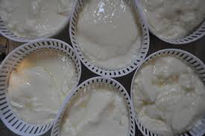
altTaħleb in-nagħġa filgħodu u l-ħalib fil-barmil taż-żingu jew bieqja żgħira u tagħmlu fil-barmil.

Trab mill-pilloli tfarrakhom u tqegħidhom fil-qwieleb. Wara tnax-il siegħa ħa jibbiesu u tqegħidhom fil-qanniċ. Jumejn biżżejjed fis-sajf. Fix-xitwa iżjed. Billejl jibqgħu hemm iqattru.

Xħin jinxfu sew tagħmilhom fil-ħall iswed mgħerrqin u mbagħad fil-bieqja. Erbat ijiem fil-ħall. Wara tagħmel bżar iswed u jkollhom il-bżar fuqhom. Magħmul jaħraq, ġo vażett, il-bżar ġol-vażett u ħall fuqu. Iżżid il-ħall jgħidulu semel. Magħluq tajjeb, bla arja, il-flixkun għax jitnawru u jmorru.

Tifsiriet:

Bieqja: skutella

Qanniċ: gabarrè tal-qasab li fuqu jitqiegħdu l-ġbejniet biex jinxfu

Semel: butir

Żingu: tal-ħadid (irqiq)

Bl-għajnuna ta’ Joe Camilleri, bidwi Mosti Malti u tfajla Maltija li tagħmel il-ġbejniet kuljum.

The Interview

Susan Wilkins arrived at the offices of ‘Osborne-Kerr Enterprises’ for her interview as a typist. Just turned 18, she felt a flutter of excitement in her stomach as she entered the building with trepidation.

The little confidence Susan had, deserted her the minute she opened the door and entered an oak-panelled reception area. She was impressed with the surroundings. A glamorous girl sitting behind a desk gave her a professional smile “Can I help you Miss?”

Susan broke into a cold sweat. “I’m here for the interview”, she blurted nervously, instantly thinking of a hundred better ways she could have introduced herself. “And you are?” asked the receptionist, “Wilkins, Susan Wilkins”, replied Susan. “We’ve been expecting you Miss Wilkins”, replied the receptionist. Susan’s pulse raced. Was it her imagination or was the receptionist reprimanding her? She looked for a clock to check if she was late. 

“Miss Wilkins” asked the receptionist a few moments later. “Sorry” Susan apologised, conscious she had not been listening. “Mr Osborne-Kerr will see you shortly. Would you like to have a seat while you wait?”

“Thank you”. Feeling clumsy and awkward, Susan walked over to one of the chairs around a low table set with neatly-arranged magazines. She would have liked to pick up one, but lacking the courage to disturb the display, she studied the room instead. The oak-panelled wall looked and smelled as though it was cleaned four times a day and the floor was so polished Susan was terrified she’d slip and fall when she left her seat. Every single piece of furniture was delicately and strategically in place. Everything looked so clean, so ‘de lux’. She could not imagine touching anything, let alone working in the place. 

What on earth made her think that she could get a job in a manager’s office as grand as this? As her last traces of hope evaporated, she began to tremble. She also realised that her feet hurt. Her shoes had fitted her well when she had bought them, so why are they tight now? She must have blisters but, she told herself, she could bear it – just as long as she didn’t limp when they called her in. That would be the final humiliation. They might think that she had borrowed someone else’s shoes for the interview because she could not afford her own. 

Opening her handbag, she pulled out her small mirror to check that the sprinkling of powder she’d put on her face hadn’t disappeared, or that the lipstick she had applied so carefully a quarter of an hour before was not smudged. She wished she had the courage to ask the receptionist if she could go to the ‘Ladies’. If there was a larger mirror she’d be able to check that her hair was still all right and the seams of her nylons were still straight.

“Miss Wilkins?” she heard a voice say behind her. “Yes, yes, it’s me”, she replied timidly. “I’m Odette Olsen-Jones, the secretary to Mr Osborne-Kerr” said the young woman, exuding self-confidence, who was dressed in a navy tailored suit with mid-calf, pencil-slim skirt and light-grey blouse. Her hair was swept neatly behind her ears, her make-up glossy, and her perfume subtle, yet effective enough to be picked up from six feet away. 

No matter how much she earned, Susan knew that she’d never achieve that degree of sophistication – the right accessories, gold button earnings, discreet and tasteful, complimented by a gold lapel pin and a half-hoop of diamonds on the third finger of her left hand. Susan wasn’t surprised that she was engaged. She could imagine men vying to be seen with her and not the sort of men who lived in her neighbourhood – but rich men with well-paid jobs who drove new cars and owned houses. 

The secretary extended her hand. Susan stumbled to her feet, one shoe getting in the way of the other. “Pleased to meet you” she said. “Mr Osborne-Kerr will see you now. Can you  please follow me?” “Thank you”. Clutching her bag and the envelope containing her certificates and testimonials, Susan slipped, tearing the thin strap that held her left shoe together above her toe. 

“Are you all right Miss?” asked the secretary as she came to her aid, helping her to her feet. Susan fought back tears of pain and mortification. “If you’d like to postpone the interview, I’m sure Mr Osborne-Kerr would understand” said the secretary. “I’m fine” lied Susan. “If you’re sure” replied the secretary, supporting Susan’s arm as she opened the door that led from the reception area to the offices. “Mr Osborne-Kerr may look stern but he’s fair” encouraged the secretary. 

Instead of calming Susan, the words set her nerves jangling even more. If she walked carefully, Mr Osborne-Kerr might not notice her broken shoe. “Good Luck” said the secretary as she pushed her in and closed the door. 

Mr Osborne-Kerr stood behind the largest desk Susan had ever seen. He had an imposing figure with thinning grey hair and pepper and salt moustache. He peered short-sightedly at her over a pair of half-moon reading glasses.  “Miss?” He checked the paper on his desk. “Wilkins” replied shakily Susan, “Susan Wilkins”. “Sit down girl, sit down”, Mr Osborne-Kerr muttered impatiently while leafing his papers. “You’ve applied for the position of typist?” “Yes Sir”, she replied. “I have not been knighted yet, so call me Mr Osborne-Kerr please”, he replied immediately. 

“It appears from your certificates that your typing needs to be improved and your shorthand speed need to be better, but your spelling is good. Also you don’t have any experience in office work I see ……”  said Mr Osborne-Kerr. “Its true Mr Osborne-Kerr, but I learn quickly” replied Susan, her hopes now dashed to the ground. “You will need to do better to work in our office” he insisted. “I certainly will. I’ll practice and get my typing and shorthand up to date, if you give me the chance”, she replied.

Mr Osborne-Kerr pressed the buzzer on his desk and seconds later the elegant secretary entered the room note book and pencil in hand. “Yes Mr Osborne-Kerr” she said. While Susan was still sitting in the chair in front of his desk Mr Osborne-Kerr addressed his secretary – “Miss Wilkins’s typing and shorthand fall short of our expectations, she has no experience of office work …………..” he said to his secretary. Susan’s heart sunk. That’s it. I’m finished. ‘Why did I think that I could get an office job?’ she thought. Mr Osborne –Kerr continued his instructions to his secretary “ ……………but she is honest and determined to reach our standards. Get her the necessary papers in order that she’ll start on Monday as a typist and she will also assist you in your duties”.

Susan gasped; her hand went to her mouth. “Thank you Mr Osborne-Kerr, oh thank you”, she exclaimed certain that the good Lord, the Virgin Mary and all the saints in heaven must have interceded on her behalf and a miracle must have just happened today.

Madre Tereża ta’ Kalkutta (1910–1997)

Charles B. Spiteri

BDL Books - Nisa Magħrufa

In-nies li jafu sew lil Madre Tereża huma l-foqra, l-għomja, il-morda u l-poplu abbandunat ta’ Kalkutta. Hi u l-Ordni tas-Sorijiet li waqqfet, bdew jipprovdulhom skejjel, djar, mediċini u fuq kollox attenzjoni.

Madre Tereża twieldet fl-Albanija u tgħammdet bħala Agnes Gonxha Bojaxhiu. Meta kienet għadha tattendi l-iskola kienet taf li riedet taħdem fost il-poplu fqir tal-Indja. Ta’ 19-il sena daħlet bħala għalliema f’kunvent f’Kalkutta, fejn saret Sister Theresa.

Għallmet għal għoxrin sena, iżda d-dispjaċir tagħha dejjem baqa’ jikber meta bdiet tara n-numru enormi ta’ nies foqra madwarha. Fl-aħħar qatgħetha li tmur tgħix u taħdem fosthom. Fetħet skola għat-tfal tas-slums u bdiet twassal ikel u mediċini lil dawk fil-bżonn.

Fetħet refuġju għall-moribondi u trabi abbandunati. Imbagħad waqqfet Ordni ġdida ta’ sorijiet, dedikati biex jgħinu lill-foqra u lill-morda.

Aħbarijiet tal-ħidma tagħha ġrew mhux biss f’Kalkutta iżda mad-dinja kollha. Madre Tereża rebħet ukoll il-Premju Nobel għall-Paċi, għall-ħidma tagħha fost il-morda u l-poplu oppress.

Għall-bidu, in-nies tal-lokal kienu suspettużi minn Madre Tereża. Ħasbu li riedet tikkonvertihom fi Nsara u talbu lill-pulizija jagħlqulha d-dar tagħha. Il-Kummissarju tal-Pulizija qabel li jagħmel dan, kemm-il darba jinstab xi ħaddieħor li jwettaq il-ħidma siewja li bdiet hi. Id-Dar baqgħet miftuħa.

Il-ħidma ta’ Madre Tereża mal-foqra kienet fl-Indja iżda l-Ordni tas-Sorijiet tagħha, il-Missjunarji tal-Karità, jaħdmu mal-foqra, mal-morda u ma’ dawk fil-bżonn, fil-pajjiżi kollha tad-dinja.

Love and Destiny

They met again after three years. Beside them, in a half empty coffee house, were two cocktails, still scrupulously untouched, lying there opposite them in a solitude and lonely appearance. Both stared at each other, speaking no words and uttering not a faint sound between them. 

Three years ……Three long years had passed during which they had not seen each other and only occasionally heard news of each other. Now, there they sat in a war-torn London coffee house, not knowing where to begin. They had met again by chance under the statue of Eros in Piccadilly. A Londoner with an aristocratic family background, was on a three day rest leave from his Royal Air Force base in Scotland. An American girl from Missouri stranded in London during the war, intended to meet a colleague with whom she was to finalize schedules for the evacuation of children from London.

Jane Hammond was now nearing her late twenties while John Arnold was in his early thirties. He noticed that she had retained the same glaring characteristics and the same supernatural way of looking deep into other peoples’ eyes. He had never forgotten the long black hair gathered neatly together behind her neck. She had always worn her hair that way, reminding him of the lightness of cool summer air. It was still there, this long black hair falling back and tied with a broad, red coloured ribbon. There it was, as it had always been, as he had always dreamt it would be. Also he could not forget the blue glaring eyes. They always had a particular attraction to him, a particular beauty unmatched in his imagination. He could never dream the like of them anywhere else. 

They had both gained a bit of weight. Both added some wrinkled lines around their eyes and mouth…………lines of experience, of that inner wisdom, so much unknown in youth. 

They were now beside the low table in the far corner of the coffee house. On their left, pairs of lovers were drinking amicably, talking and laughing their young hearts out. Some cuddled and hugged in a loving embrace of affection, while above them, through the open-roofed ceiling, the moon was bestowing the right setting for the execution of love. A white glaring moon was clearly visible in a light blue heaven. 

John was a spitfire pilot carrying out nightly air raids over Germany. He knew that it was a highly dangerous job but he and his colleagues were determined to safeguard their country and their countrymen.  The missions over Bremen, Cologne and Hannover were what were called, a ‘death run’. Many of his colleagues did not return from their sorties. Some were brought down on foreign soil by heavy enemy gunfire. Some went down in the channel lacking fuel to reach the cliffs of Dover. Others hobbled back, damaged and injured, to fight another day.

Jane was still looking forward to return to America. Meanwhile she stayed with friends in London, helping in the war effort. Presently she was assisting in the organization of evacuating children from bomb-targeted London to safer towns and villages in the north.  “John” she stammered. Her fingers fumbled with the light yellow handbag in her hands, her eyes were lowered and excitement was telling on her. She could bear it no longer.  “It’s nice to see you again Jane”, he said. They evaded each other’s eyes, shamed from neglect and lack of foresight in their personal affairs. She, in particular, felt a strong emotion within her, an inner feeling of happiness and joy that follows ultimate excitement.

Three years ago, before the war, John Arnold was very much in love with her, and she was none the less with him. They courted assiduously but although they were not yet engaged they had made plans for tying the knot. Jane was a lonely American girl, while he was engaged as a free-lance sports writer. Their love was great within itself. How often had they pledged to love each other until their last dying breath? How often had they vowed that there would never be any other person in their lives? Very often he used to hold her strongly in his arms and whisper in her ears that he loved her as much as there are waves in the ocean sea, as much as there are sandstones on the beaches. They often kissed passionately under the very moon they were looking at today, the very same moon of three years ago.

On Sunday mornings, rain or shine, they used to walk aimlessly arm in arm along the uncultivated paths of the neighbouring villages. He would compare her beauty with the lovely colourful flowers along the way. He would recite her poems. She would laugh at his exaggerated mutterings. They had pledged to love each other eternally. But then all young lovers do so. Then he joined the RAF; was posted in Scotland; started piloting the new Spitfire aircraft. And they lost touch. War, unfortunately, does not leave much time for love and romance. 

During the Battle of Britain he formed part of the aerial defense, meeting the German bombers and fighters as they came in large formations across the channel. Now, as the RAF began to retaliate, he was with Bomber Command accompanying the Allied bombers in bombing missions over Germany. 

As they sat drinking cups of bad-tasting coffee, they recounted on their lives these last three years and on their aspirations for the future when the war is over. They found their old love back and promised solemnly to keep in touch with each other. They walked the streets of London, hand in hand; sought refuge in damp shelters during air raids; kissed under dim street lamps and embraced in dark corners. Then he went back to Scotland and she continued her work in the city.

Their love blossomed over time – by letters, post cards, phone calls and occasional meetings. During one of their meetings they looked for a place of their own. They found one of their dreams – a cottage in the Kentish village of Leith Hill which they rented and prepared for their marriage. 

But Jane had first to return to America, see her parents, obtain important papers and documents, get some personal things and return back to London to prepare for her important date and sharing life with John. They knew that they would be separated at first because of their war commitments and with both being far away from each other. But as soon as the war ends they would move to the cottage and be together forever.

As Jane stood on the dock in Liverpool harbour waiting to board the ‘SS Berkshire’, she assured John that he would always be in her thoughts. He kissed her passionately and watched her mount the gangplank. When she reached the deck, Jane turned, waved her hand and blew kisses towards John. The porter picked her bags and accompanied her to her cabin.  The ship left harbour early in the morning and John took a train back to his base in Scotland.

Immediately he got back to base, John was entrusted to lead a special mission over Germany. His mind was still on Jane and his marriage on her return. After returning from their successful sortie, the crew relaxed over cups of tea and biscuits in their quarters listening to the radio and reading books and newspapers. 

With his hands behind his head, his long legs sprawled on the table, his mind wandering, he looked at his co-pilot reading yesterday’s ‘News Chronicle’. Then he saw the headline – “The SS Berkshire torpedoed in the Atlantic. No survivors!”

Shocked and speechless, he gathered his flying gear and went to his private place. He sat down, head in his hands and cried. He laid there for some time, his mind bringing memories of his Jane, one episode after another. Then he went to sleep. 

The following morning John was assigned to carry out a raid to the Ruhr valley, twenty bombers and ten fighter escorts. The target was the steel works. They dropped their heavy load but they met with heavy ground fire from all sides. The Germans were defending their ground desperately. 

As the badly-damaged raiders returned to their base, there were several casualties. The crews looked out for their colleagues – those who returned and those who did not. John, who again led the raid courageously and without fear, was listed as ‘Missing, presumed dead’. The men went silently to their quarters. They felt tired, sad and angry. They had lost so many of their colleagues today among which was their own brave leader. 

Strange Experience

It all happened suddenly about 4.00 a.m. of Wednesday, 14 March 1859. I tried to stretch my limbs, lift my arm, move my legs; nothing happened. I tried to call my mother but my mouth produced no sound. My eyes were fixed in a permanent position. Strange enough however, I could hear everything – the clock ticking, the dogs barking, my brother snoring in the adjacent room ………. everything. I had nothing to do except wait patiently. Those were desperate hours. 

Then the real story began. It was 7.00 a.m. when my mother came to wake me up for work. She shouted in my ears. I heard her and saw her beside me but I could not answer back. I could not move, smile or show any sign of communication.

My mother, driven mad, rushed downstairs repeating to my father and brother that I was dead. I saw them near me with tears on their cheeks and a desperate look in their eyes. They were shocked and crying. Even my father, my brother and my sister seemed to confirm my mother’s fallacious belief. I had to admit myself that I was dead or, better still, would soon be dead. 

The doctor was called for and, on entering the house, told them that they had spoilt his sleep. He then pompously entered my room. I could see his bald head bending on my chest. He was tickling me with his long, untrimmed moustache. And he smelled!  I had to endure all this for some time. Then the long experienced doctor straightened up and concluded that I was dead. Dead!!  How could I convince them that I was alive?

The situation was now becoming desperate. My mother kissed my cold forehead and cried her heart out. Of course my forehead was cold, it was March and the windows were open so that the room would not smell the damned smell of the dead. That morning, in fact, was an exceptionally cold one and I was freezing. 

A warm tear fell on my face. My parents, uttering hysterical lamentations, started clearing the room, otherwise visitors would not have enough room to crowd around me. All fancy ornaments were removed. My photo, lying on my bedside table, found itself in my mother’s embrace. 

Four large candles were fetched, lit up and positioned around me in the centre of the room. People – relatives, friends and neighbours – were ceremoniously admitted in my presence to pay their last respects. A boy was sent hurriedly to get the coffin maker. 

Old women came en masse, like they traditionally do on these occasions. There were also many children as I could hear their elders ordering them to be quiet. It is said that the left foot of the statue of St. Peter at the Vatican is being worn off by the kissing process of visitors. On the contrary, my forehead was accumulating a thickness of dirt from the stinking lips of shabbily dressed old women and smeared-faced little urchins. 

Those kisses were neither remonstrations of love nor signs of pity. Those visitors were faithfully conforming to the tradition and custom of the time. No doubt the little sillies, seeing the grown-ups doing this ceremony, copied it jovially. I had to forego all this with astonishing resignation and unnoticed annoyance. I had no option. 

I heard lots of stories from my friends that day wherein I was made the hero, featuring in some bravado, stories created at that same moment to alienate the sadness and depression of my relatives. Among the constant crying, an occasional laugh broke the gloomy atmosphere of the room. 

Old timers opened their big mouths, showing decaying teeth, meaning to show consent and approval. Some of the dirty little scoundrels helped themselves and were carrying little souvenirs with them before leaving – books, pencils and other things which come useful when they return to school. 

The party was going on nicely and smoothly. Unfortunately I was not enjoying it at all. I stood there helpless, an image for respect and comment. It was here that I learnt that my nose was slightly twisted and my mouth was a little too big for my face. They also said that I retained, even in death, a natural smile. Some said that I was smiling at the angels. The truth was that I was tearing myself apart seeing these parasites around my corpse. For me these were no angels, but demons from the depths of hell, come to disturb my peace. 

My father was persuaded to rest in another room. The shock was too much for him, poor old man, not much in good health. How I wished that I could move and talk! Then the situation would be corrected immediately and all this farce would come to an end. I would have thrown out all those nosey pokers who came just to satisfy their curiosity, rather than to genuinely console those I was leaving behind. 

Piercing cries of grief, despair and lamentation greeted the coffin-maker. He was so unlike the others around me. He looked all over me in a business-like manner. He carried on his work of measuring my length in an unconcerned way and his behavior was most unmannerly. He laughed between his teeth as if he was glad that I was dead and he was earning his commission. All it meant for him was pure business and nothing else. 

As noon tolled its usual Angelus, I saw with great relief, most of the intruders rise and leave the room, of course after going through the act of telling my mother “We are awfully sorry, may God grant you patience and long life!!” 

Guests and visitors being gone, silence reigned supreme in my room save for the rhythmic sobbing of close relatives. No food was served on that day, except for cups of tea and biscuits. Everyone at home kept themselves occupied in weeping and other remonstrations of affliction. 

While all this was being enacted around me, I kept guessing how it would finish. I tried to convince myself that my paralysis would be over before they would bury me. I hoped it would, with all my heart I hoped it would! 

But my wish was not granted. At about 4.00 p.m., twelve hours exactly after my death hour established by the doctor, the coffin-maker returned accompanied by four coffin–bearers. How I wish that I could describe those faces! Four rough brawny men, two of whom had scars on their faces. Their looks were terrifying and their language, when not in front of my relatives, was most foul. These were the four cut-throats who were hired to accompany me to my everlasting peaceful place. 

Then there were mother, father brother and sister who, at the sight of these rough bearers, burst out shouting and weeping and begging that I be left another twelve hours in their company. I heard cries – that melancholic rhythm of the weeping which came from every corner of the house. I heard steps –coming and going, in and out of the room. And I saw the ghastly light of the four candles playing a funeral air with the in-coming breeze. 

The thing that I had dreaded most had now arrived. I was lowered gently in the coffin under the agonizing look of my relatives. “No!” I wanted to shout, “Wait, I should be left another twelve hours here. This is required by law. Mother and father why did you give in to the blubbering of these four ruffians who are always eager to have the ceremony through as early as possible? Why the hurry? Why? Please leave me be ………..” These were my thoughts. I could not speak. My thoughts, as are those of everyone else’s, were inaudible.

The facts are now known. Although my parents had raised many an excuse to leave me with them for some more time, the coffin–bearers had persuaded them to bury me as early as possible in order to conform to the health laws.  They argued that the stipulated twenty four hours expired on Sunday at the Ave Maria. Therefore I was either to be left here until Monday morning, which was not permissible by law or, as was proposed, I be transferred to the Mortuary room at the cemetery that same day. 

This was considered to be the most plausible argument and was therefore agreed to by all. So my best friends came with wreaths and flowers, stinking ones some of them were, and seated themselves beside me. They all had loved me once. They all had liked my company when I was with them. Now, they were on tenderhooks to see the ceremony over. They wanted to have me buried at the earliest and go back to their wives and girlfriends. They had other appointments after this one. “Life goes on”, it had always been said.

“Make way, let this family alone!” shouted a hoarse voice. It was the undertaker who came to screw the lid of the coffin. Prayers were administered and last kissing ceremonies being over, I was remorselessly shut down and secluded from the outside world. 

How can I describe what I felt while I was there? I knew that all hopes of getting out were now futile. A few more hours and the farce would have a tragic ending. Amid the cries and hysterical weeping, I felt that I was being lifted and moved. I was on my way to eternal sleep. This time it looked more real. 

They were going down the first flight of steps carrying me with them. This was the end. I wanted to shout at them and tell them – “Easy, you damned fools. This is no common load that you are carrying. Be careful and make it smooth!” But, of course, they could not hear my thoughts.

“Put him down gently”, commanded the familiar hoarse voice. “Let me see him for the last time”, my mother frenzied. I heard the bolt being unscrewed and once more I could behold those stricken faces. Mother, father, brother and sister showered a rain of kisses over my face. I did not mind. I was enjoying some fresh air. I needed it badly. “That is enough”, cut short the undertaker who was more than eager to go through with this ceremony without more loss of time. 

The lid closed. I felt myself being lowered down. I dimly heard the sound of cries, sobs, dust falling on the top of the coffin, stone slabs being put on the grave. Then silence, darkness, solitude, despair …………. I knew that there was nothing that I could do except wait patiently for the end to come.

The noise had long died away; the birds were long resting in the trees; the cemetery gates were certainly closed shut. Most people must be sleeping peacefully in their homes and I was dying like a rat. My friends might be enjoying themselves at a restaurant or the theatre, their long time friend forgotten. My parents, brother and sister however must be hurt at losing me and must be surely in despair.

I prayed and wept but no tears showed on my face. I implored all the saints in heaven to help me, to get me out of there and restore me to my family. This was no way to end one’s life. I tried to shout but did not succeed. Where was my voice? I tried to move but I could not. I waited and prayed, wept and despaired, hoped and prayed again. Seconds passed by, minutes followed slowly and then an hour. The cemetery bell chimed the eleventh hour. 

Then it happened all of a sudden. I heard my own breath, though very feeble. I shouted and this time the coffin resounded with the sound of my voice. My voice! My voice! I was recovering. It was a mixture of joy, hope, but also desperation. Then my limbs moved. I tried my arms, my legs. They responded. It appeared that I was recovering from my paralysis.

I turned my back against the lid of the coffin and pushed with all my strength. It gave way and I breathed the contaminated air of the occupied grave. I forced my way out of the coffin and sat for a minute contemplating my next move.  Beneath the coffin were two other coffins and the smell was intolerable. I touched the ceiling. It was not high. I put my head against one of the slabs and lifted. It was freshly sealed and gave way easily. Up it went. I pushed with all my strength. Then got out and heaved a sigh of relief. 

As I pulled myself out of that dreadful place, I rushed into the open air and sat breathless on the tombstone inhaling the fresh breeze. Darkness filled the area around me. Near me were all sorts of marble monuments while in the distance I saw the silhouette of the chapel and tall birch trees. Further away was the town from where some lights flickered in the darkness of the night. 

My residence was some three miles away. I looked at myself and discovered that I was wearing an old black suit, socks but no shoes. The cemetery clock tolled 1.00 in the morning. As quick as I could I jumped over the wall which, fortunately, was not very high. In haste I made my way home. I knew that it was not going to be easy to present myself to my family when they were so sure that I was dead and buried. But they had to face it. 

It was past 2.00 in the early morning when I reached my town. Slowly and noiselessly, I made my way home. My parent’s room showed some light. I was certain that they would not be sleeping that night. I knocked and my mother came down to answer. “Who is there? she sobbed. Without thinking twice, I told her “It is me, your son Joe!” She recognized my voice; opened the door and, on seeing me, fainted in my arms. My father, brother and sister were awakened. They were bewildered when they saw me. How could I explain that I was no ghost? They stood there before me, amazed, and would not touch me.

Some minutes later, after explaining the situation, I was holding my family members to my chest.  When things calmed down my father said “Let us sit down”. Then he gave me a tot of whisky in a glass. I gulped it down and related to them the whole story. They were so happy to have me back with them after that ordeal. It was 4 in the morning when we went to bed. I knew that now it was all over.

Next morning I did not wake up for work. When I appeared in the streets I had a difficult task explaining how it happened. Everybody was asking about the doctor who had certified my death!  “Well, he must have been in a hurry!” I responded with sarcasm. “But let us forget this terrible experience now and go celebrate my return to real life”. 

“But how can it be that you were buried before the expiration of the stipulated twenty four hours?” they asked. “It was all the doing of the undertakers, they would not come on Sunday, so they wanted to finish the job on Saturday”, I replied. “How does it feel to be down there?” was another eager question. “Well, I felt like all dead ones do, except that while I wished and struggled to return here, on the contrary, real dead ones do not”, I laughed in their face.

This was indeed a strange experience, but at least I learned my position in connection with those I had to live with – my family, my friends, my neighbours. I will certainly be better disposed next time I have to cross to the other side.

Today, thanks to the progress of medicine and to more stringent health laws, such things will not repeat themselves. In those days, however, such happenings were not a rare occurrence.     

Anne Frank (1929–1945)

Charles B. Spiteri

BDL Books - Nisa Magħrufa

Anne Frank mietet meta kienet għadha teenager u saret magħrufa sew għad-djarji affaxxinanti li kitbet u li ssuperaw lil ħajjitha.

Anne kienet Lhudija mwielda fil-Ġermanja. In-Nazisti kienu jobogħdu lil-Lhud għall-mewt. Kienu jsawtuhom kull darba li jiltaqgħu magħhom fit-toroq u ħatfulhom għalihom infushom kull negozju li kellhom.

Il-ġenituri ta’ Anne Frank ħarbu b’Anne u b’oħtha lejn l-Olanda. Iżda fl-1940 in-Nazisti nvadew lill-Olanda wkoll. B’hekk, il-Franks kienu jinsabu f’għawġ liema bħalu.

Setgħu jintbagħtu jaħdmu xogħol iebes f’kampijiet tax-xogħol jew f’kampijiet ta’ konċentrament. Issa kien tard biex jerġgħu jaħarbu. Għalhekk qatgħuha li jistaħbew. Ħeġġew passaġġ sigriet fil-parti ta’ fuq nett tal-maħżen qadim ta’ missierha u bdew jgħixu fih flimkien ma’ erba’ Lhud oħra ħbieb tagħhom.

Għal sentejn sħaħ qatt ma ħarġu barra fit-triq. Kienu ħbieb tagħhom Olandiżi li kienu jwasslulhom l-ikel, iżda l-ħajja saritilhom ta’ dwejjaq. F’Marzu tal-1944, Anne bdiet tikteb djarju. Xtaqet li meta tikber tkun kittieba, iżda f’Ottubru ta’l-istess sena, xi ħadd irrapporta l-moħba tagħhom lill-Pulizija.

Il-Franks kienu arrestati u mibgħuta f’kampijiet ta’ konċentrament fil-Ġermanja. Wara l-gwerra, missier Anne biss kien baqa’ ħaj. Ħabib tiegħu Olandiż kien sab id-djarji ta’ Anne u refagħhom f’post żgur.

Il-Franks u ħbiebhom kellhom joqogħdu kwieti mmens fil-moħba tagħhom. Qatt ma libsu żraben u l-ħmieġ li kien ikollhom kienu jaħarquh. Ġieli kien jitlgħalhom u jirrabjaw għal xulxin u ġieli kienu joħolmu għal ħajja fin-normalità.