The Pianist

‘Cunningham House’, a 20 room mansion built in 1870, was situated in one of Britain’s great historic cities – Chester. The city has a background of over 2,000 years of history. It is surrounded by a wall built by the Romans to protect it from invaders. Many of the city’s houses are of Tudor or Georgian architecture. It has the oldest still-in-use racecourse in Britain. It is said that its Eastgate clock is the most photographed in the world.

The first owner of the Manor House was Major William Cunningham-Parker, who was the first citizen of the town at that time. He was a passionate and accomplished pianist, but in 1920 he died on the keys of his beloved piano while playing and singing his favourite waltz – The Blue Danube – by Johann Strauss.

He loved singing the lyrics of this classic masterpiece; his voice, strong and vibrant, reverberated throughout the house.

“Danube Blue, so bright and blue,

Through the vale and field you flow so calm,

Our Vienna greets you.

Your waters stream through all the lands,

You merry the heart with your beautiful shores.”

It was often alleged by the neighbours that sometimes, often during the night, they would hear the clear sounds of this classic melody being played on the piano and his singing, even though the mansion was now empty and uninhabited.  The property was subsequently occupied by his heirs, one generation after another. It was finally owned by Robert Cunningham-Parker, himself also a pianist. His passion, however, was acting, and for this reason he had moved to London to follow his acting activities, leaving Cunningham House empty.

As he had no intention, for the time being at least, of returning to Chester, he leased the mansion to the Chester Heritage Foundation, who adapted it for cultural purposes. For the opening of the revamped property, the Heritage Foundation was to produce a play based on the history of the House, piano ghost and all, in the large courtyard of the same house. Who better than Robert himself to play the role of Major William Cunningham-Parker? He was intimately familiar with the house, knew the character of his ancestor well and, of course, he was a pianist and also an actor. When approached by the Foundation, Robert accepted immediately.

The open courtyard was full despite the bad weather conditions on the day. Snow was falling heavily, the wind was a gale force and the cold was bone-shattering. The play was, however, a huge success. The actors gave a brilliant performance and the applause at the end was long and deafening. The whole story and history of the House was shown to perfection. The part that really stole the performance, however, was the playing and singing of William Cunningham-Parker’s Blue Danube, which mesmerised the audience. As the audience, pleased and satisfied, were leaving the theatre-style courtyard and the Director, also satisfied with the performance, was resting in his room, Robert Cunningham-Parker burst in breathlessly. “I’m sorry, awfully sorry! It was impossible to make it in time, the snow made chaos on the roads tonight, I was held up. I’m very frustrated to have let you down, I can tell you, sorry!”

“What?” gasped astonishingly the Director, “Do you mean to tell me that you did not play and sing The Blue Danube?” “Of course I didn’t play and sing!” said Robert. “I was 30 miles away in Stoke at the time!”

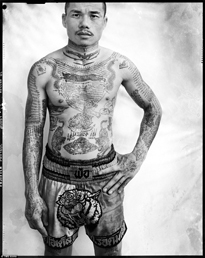
It-tattwaġġ – parti mill-wirt tal-umanità

Charles B. Spiteri

alt

Dik li dari kienet dehra rari, li tara tattwaġġ fuq l-għaksa jew l-ispalla ta’ mara, illum qisha saret xi ħaġa marbuta mal-ħajja moderna. Iżda din il-kollezzjoni ta’ immaġini turi li t-tattwaġġ mhux xi fenomenu modern, kif forsi hawn min jaħseb. Waqt li t-tattwaġġi huma fenomenu relattivament riċenti fl-Ewropa u fl-Istati Uniti, l-arti tal-persuna ilha tifforma parti mill-kultura Polinesjana u sa nstabet fuq il-fdalijiet mummifikati ta’ saċerdoti u saċerdotessi tal-Eġizzjani tal-Qedem.

Issa l-istorja ta’ 5,000 sena ta’ tattwaġġi ħadet il-ħajja f’esibizzjoni li saret dan l-aħħar fil-Musée du Quai Branly, li turi l-evoluzzjoni tal-arti fuq il-ġisem tul is-sekli. Għalkemm it-tattwaġġi dehru għall-ewwel darba fuq l-iġsma tal-irġiel u n-nisa Neolitiċi, ma dehrux fil-kultura tal-Punent sas-seklu 19, u l-ewwel darba li dehret din il-ħerqa għalihom kienet fis-soċjetà għolja Vittorjana.

BDL Books - Laqtiet

Fl-istess seklu t-tattwaġġ kien popolarizzat mill-esploraturi li marru lura fil-Gran Britannja, mimlijin ħrejjef fuq in-nisa msaħħrin u mimlijin tattwaġġi li raw tul il-vjaġġi tagħhom. Minħabba f’hekk, it-tattwaġġi bdew isiru xi ħaġa mitluba min-nisa tal-klassi l-għolja. Jingħad li tant kienet qawwija x-xewqa għal din l-arti tal-ġisem fi żmien il-perjodu Vittorjan li anki r-Reġina Vittorja jingħad li kellha waħda li turi tigra tal-Bengal tiġġieled ma’ python.

Fil-Punent it-tattwaġġi bdew jintużaw biex jimmarkaw lill-iskjavi u biex jistigmatizzaw lill-persuni li jkunu wettqu xi ħaġa ħażina, bħal fil-każ ta’ Colbert’s Code noir (il-kodiċi sewda) fi Franza, li kienet timmarka ġisem il-kriminali u l-prostituti. Għall-bidu din l-arti tat-tattwaġġi kienet ċensurata mill-Kristjaneżmu. Tinsab ipprojbita fil-Levitiku u fit-Testment il-Ġdid, u reġgħet kienet ripressa uffiċjalment fis-sena 787 mit-tieni Konċilju ta’ Niċea. Iżda baqgħet prattikata xorta waħda mill-pellegrini fiż-Żminijiet tan-Nofs u għadha pprattikata sal-lum mill-Kopti, l-Armeni u l-Kristjani tal-Art Imqaddsa.

Madankollu, kollox tbiddel fis-snin 1700 meta t-tattwaġġi bdew jintwerew bħala ribelljoni u ħsieb liberu u kienu adottati mis-soċjetà Boemjana u mill-membri tal-Forzi Armati. B’mod partikolari, il-baħrin kellhom tattwaġġi fuqhom biex juru f’liema pajjiżi vvjaġġaw. Bdew ipinġu fekruna biex juru li qasmu l-Ekwatur, ankra li turi li qasmu l-Atlantiku u dragun biex jissimbolizzaw li vvjaġġaw lejn il-Lvant.

BDL Books - Laqtiet

Sa tmiem is-seklu dsatax it-tattwaġġi bdew ikunu aċċettati sew mis-soċjetà, għalkemm uħud baqgħu marbutin mal-konnotazzjonijiet oriġinali tagħhom. Interessanti jingħad li fil-Britannja Vittorjana kienu jisirqu bil-forza u jittattwaġġjaw lin-nisa, li mbagħad kienu jkunu mġiegħla jaħdmu bħala attrazzjonijiet fiċ-ċirkli.

Illum il-ġurnata ħafna jsostnu li t-tattwaġġ hu parti mill-wirt komuni ta’ ħafna mill-umanità, u hu għalhekk li numru mdaqqas ta’ individwi qed jinjettaw il-linka f’ġisimhom.

Rigal mhux Mistenni għal Jum il-Missier

Charmaine Tanti M.A.

Kollox kien miexi ħarir, sakemm il-mamà nbidlet mil-lejl għal nhar. Filli kienet tmur għax-xogħol kuljum, u filli bdiet tibqa’ d-dar, tistrieħ fuq is-sufan, u tara t-televixin jew taqra ktieb. Is-soltu mhux biss kienet tlaħħaq mal-karriera tagħha, iżda anki mal-faċendi tad-dar. Issa bilkemm kienet għadha tmiss biċċa tal-art b’idha. Lil Luca u lil Elise bdiet ta’ spiss tibgħathom jilagħbu f’kamrithom għax ma kinitx tiflaħhom jagħmlu l-istorbju fil-kċina. Meta l-papà kien idoqq xi ftit diski Taljani fi tmiem il-ġimgħa, il-mamà kienet tmur tistrieħ minflok ma tiċċaqlaq mar-ritmu u tkanta l-lirika, bħal qabel.

Din l-imġiba stramba tal-mamà ma waqfitx hawn. Meta qorob Jum il-Missier, hija ma wriet ebda entużjażmu, bħas-snin l-oħra. Elise u Luca baqgħu skantati kif ma kienet ħadithom imkien biex jixtru rigal u kartolina lill-papà. Huma bdew jinkwetaw, u jitnikktu għax ħasbu li kien ġralha xi ħaġa lill-mamà, u ma kienet uriethom b’xejn. Jekk lill-papà ma setgħux jagħtuh rigal għax kienu għadhom żgħar wisq biex imorru jixtru waħidhom, huma kienu jafu jagħmlulu kartolina sempliċi! Lejlet Jum il-Missier, Elise qasqset ftit karti bojod, u waħħlithom flimkien bil-kolla. Luca sab stampa sabiħa ta’ plejer tal-futbol mill-magazine, u waħħalha fuq in-naħa ta’ quddiem tal-kartolina. Imbagħad, Elise kitbitlu fuq in-naħa ta’ wara b’ittri kbar: ‘INĦOBBUK, PAPÀ!’

L-għada filgħodu wara l-quddies, il-familja kollha nġabret madwar il-mejda tal-ikel. Il-papà ferra’ t-te lil kulħadd, u ħareġ platt fond mill-armarju, u mlieh bil-gallettini taċ-ċikkulata. Elise marret tiġri f’kamritha, u ġabet il-kartolina. Marret tagħtiha lill-papà, u hu tgħidx kemm ħa gost biha. Il-mamà bdiet titbissem. Issa kien wasal il-waqt li tiżvela s-sorpriża, li kienet ilha taħmi għal dawn l-aħħar ġimgħat.

Il-papà ma  riedx jemmen lil widnejh meta ħa l-aħbar, li se jerġa’ jsir missier. Dan kien l-aqwa rigal, li seta’ jaqla’ dakinhar, propju fil-ġurnata ddedikata lilu. Il-Bambin kien reġa’ ftakar fihom u kien se jagħtihom ġawhra oħra. Elise u Luca mhux biss ferħu li kien se jkollhom żieda fil-familja, iżda ħassewhom li qegħdin jerfgħu biċċa mir-responsabbilita` wkoll. Ma kinux jaraw is-siegħa u l-mument li jaraw lit-tarbija l-ġdida fid-dar tagħhom, u tgħidx kemm ħadu gost iduru l-ħwienet mal-mamà u l-papà biex jixtrulha l-ħwejjeġ u l-ġugarelli.  Ftit tax-xhur wara, twieled Peter, ġmiel ta’ tifel, kemmxejn samrani, u b’għajnejh kbar, żoroq. Malli rawh, Elise u Luca stħajluh pupu tal-laħam, u ma kinux jiċċaqalqu minn ħdejh ħlief biex imorru l-iskola. Il-mamà u l-papà raddew ħajr lill-Mulej talli kompla jżejnilhom ħajjithom b’dan it-teżor. Il-papà kien ferħan id-doppju li kien twelidlu tifel għax kien diġà deċiż li jibda jibagħtu jittrenja l-futbol ma’ ħuh Luca la jitfarfar ftit. Miskina l-mamà! Aktar ma kien idejjaqha l-futbol, aktar kienet se tibqa’ mwikkija bih.

The Italian

It was just three years ago since her husband, God rest his soul, had left to the other world. He had come into her life to steal her heart and disturb her soul. He was the only man in the world that she had wanted as her companion for life. They had spent thirty wonderful years together. Many times now, sitting in her favourite armchair sipping a hot cup of coffee, she remembered the places they had visited together, the joys and the heartache of everyday life, the charming words he said to amuse her, so many things. How she missed him. 

Ella, her only daughter who had married and was living abroad for the last eighteen years, encouraged her when she phoned to go on outings which the Local Council organised frequently for elderly persons. “We both loved Dad, but we cannot bring him back. You should think of yourself and move on now Mum,” she often told her. She did go for a couple of outings, not because she felt like doing so, but because she did not like to displease her daughter. 

Her new life began when Gianfranco walked into her life. He was born in the Tuscan region of Italy. Life was so much simpler and less hectic over there. “Don’t be sad”, he would tell her, “I want to see you happy and enjoy life”. His English, with a marked Italian accent, uplifted her spirits and brought a smile to her face. 

The first night he stayed at her house in London, she cooked him a hearty English meal of roast beef and Yorkshire pudding. He enjoyed it immensely. He then made her sit down, brought her a glass of wine, sat down beside her and both talked for a long time of this, that and the other. 

One lovely summer evening they went to the park together, sat down on a wooden bench and looked at the stars shining in the sky. He told her the names of the stars, how far away they were from our world and other things he had learned at the University in Pisa. She was mesmerised as she had scarce knowledge of the immense universe that surrounds us. On the way back home, he held her arm in his and they walked slowly together to her house, engrossed in each other’s company. 

He felt such a mystery to her, so different, yet every time she looked into his eyes, he filled her with hope. They chatted and got to know each other a little better every day. He told her about his native Tuscany – the lovely little churches, the paintings and sculptures, the sprawling countryside, the food and wine and so many other things. 

After a few days of getting to know him, she observed his easy going way of looking at life. She thought that the hustle and bustle of London life would tire him and he would surely return back to the hills and valleys of his Tuscany. He was never in a hurry; he did a bit now, a bit later and has some fun and rest in between. 

“Why don’t you sit down and enjoy your garden?” he would ask. “Why don’t you stop and look at the flowers?” He charmed her with his dark skin and ebony eyes. “Yes, I should. I did not have so much time before” she replied nostalgically. “I had a job, a husband and a daughter to look after. I’ve spent my life rushing around. Now I’m retired I should relax. You are right dear”. 

She had grown to love him immensely. She had never experienced this kind of love before. There was something special that thrust them together. While previously her time passed slowly by, now it flew so quickly it left her breathless. She enjoyed her time with him so much; she wished he’d never leave her.  

Her daughter often phoned her from abroad to see how she was getting along. Her mum seemed enthusiastic, she was enjoying herself. Her daughter was very pleased that she and Gianfranco had hit it off together, that they like each other and that he was settled with her.

On her part, once he was now to live with her, she showed him the London where she was born and grew up – the changing of the guard at Buckingham Palace; the evening band concerts at St. James Park; the flow of the Thames from the railings of Tower Bridge; lounging on deckchairs in Hyde Park watching the squirrels hurry to and fro; the beautiful facades of the theatres along The Strand; the multi-coloured river boats on the canals of Little Venice.

She had met him three weeks ago at the airport. He came over to attend a year’s course at the London School of Economics. He had lived in Italy with his parents since he was just two years old. Her daughter had asked her to look after him during his stay in London. When they saw each other and embraced at Heathrow, his first words were like balm to her “It’s so nice to see you Gran, you look wonderful!” 

Skerzi fid-dinja annimaleska

altSkerz, nofs kelb u nofs qażquż, li twieldet b’numru ta’ fatturi ħżiena għal saħħitha, sabet kenn f’dar f’Alabama.
 
Sidtha, Kim Dillenbeck adottat lil din l-annimal li ngħatat l-isem ta’ Pig waqt vjaġġ li għamlet f’Atlanta biex iżżur lil oħtha.
 
Tirrakkonta li fi żmien il-Milied, marret ma’ oħtha għand xi ħbieb biex jieħdu kolazzjon u xi ħadd semma l-istorja ta’ Pig. Ilkoll marru fid-dar ta’ din l-persuna biex jarawha. 
 
altAppena ratha, u ntqalilha bil-problemi ta’ saħħa li kellha, Kim iddeċidiet li trabbiha sakemm tmut. Kulħadd ħaseb li ma kellhiex ħajja twila minħabba li l-organi tagħha kienu b’mod li setgħet tifga.
 
Pig, li twieldet fis-selvaġġ, ittieħdet ma’ ħutha, minn mara li semgħethom jinbħu. Meta ħadet lil Pig għand veterinarju, qalilha li għandha kustilji neqsin, ġogi mdawrin ħażin u x-xewka ta’ daharha mhix kif għandu jkun.
 
Minkejja l-qies tagħha, li hu ta’ nofs kelb, Pig, li għandha tmien xhur, tista’ tikber aktar. Sidtha l-ġdida tinsab f’dilemma: bejn tixtieqha tikber ftit ieħor, iżda fl-istess ħin tibża’ li jekk tikber, tasal biex tmut.
 

Adam, Eve and the Apple

It is an accepted fact to all Christian faiths that Adam and Eve were the first man and woman created by God. According to Luke “God created Adam from dust, and then breathed life into him”. Then, in the first-ever ‘surgery’, God removed a rib from Adam’s side and from it he created Eve. When God pronounced judgements for their disobedience, he told the serpent that he would crawl on his belly and eat dust; he told Eve that she and all women after her would have pain in childbirth; and he told Adam that he and all his descendants would experience painful toil on earth until death. When bad Cain murdered good Abel, our fore-parents had another son, Seth, from whom, it must be, we are descended.  

And what about the apple? Was it really an apple? There are different interpretations of this incident that happened at the Garden of Eden. Some say that the word ‘apple’ is symbolic; it means God forbade our fore-parents to do something, but not exactly not to eat an apple. Others say that it was the ‘Tree of the Knowledge of Good and Evil’ that was forbidden, and others hold that it was truly an apple fruit. I sometimes wonder what today’s picture would be if our fore-parents had not disobeyed God’s wishes. The idyllic life of no labour, no disease and no death, would have meant that today there is no need for work, for hospitals, for cemeteries, for doctors and for undertakers. It would also mean that men and women, thousands of years old, would be roaming the streets of town! I don’t know what to think really. 

But all that was in the very remote past. Today, as it happened, Adam and Eve were drifting smoothly on cloud 9. They had, so many thousands of years ago, by hook or by crook, made it to the Heavenly Gates and into Paradise, but only just. As they looked down on the world below them, they saw 7 billion people on planet Earth spread out over the five continents. All these people were family members but so different in appearance, language, religion, ideologies, culture, skin colour and way of life.  

They noticed how things have progressed since their early and primitive time – skyscrapers in every city, nuclear energy, medical advances, sending rockets to the stars, computers, fashion, entertainment and so many other things besides. But they also saw that the people were in a race to dominate each other and were often intent on hating and hurting each other – wars, killings, burglaries, injustices, accidents and other catastrophes. These self-inflicting sufferings have been repeating themselves so many times over and over again. They never learn. 

Eve elbowed Adam as she pointed downwards. “But there are some very good men and women around. Look at that humble man from Argentina preaching love, peace and brotherhood to everybody; and several others who, unknown and behind the scenes, work tirelessly to help those in need of assistance – the poor; the sick; the elderly, children, those living in war-shattered zones. These are only a few, I know, but they are so good people who need and deserve our support.”  “Yes. It’s a pity that the good ones are only a few”, replied Adam, “What can they do against all those others, intent on making their own world such a bad place to live in?”

Suddenly Adam, still handsome despite the years, turned towards Eve and said to her, “Why did you do it Eve?”  “Do what?” she replied taken aback by his sudden question. “Give me the apple, in the Garden of Eden, remember?” he retorted. “Oh, that”, exclaimed his wife. “It was the ugly serpent. He tempted me and I believed him”. “You know something Eve?” said again Adam, “I didn’t even like it. I have not eaten another one during all these years!” 

“And that damned apple has brought us and our descendants so many troubles and tribulations” said Adam. “Yes, Yes”, replied Eve, “As a result of our folly we and all the members of our family, had to toil for our living, we contacted all kinds of diseases and we had to die”. “Imagine if we had not eaten that apple, what a wonderful life we would have had Eve” said the first man on earth. 

But there is one thing that puzzles me” retorted Adam again. “What?” asked Eve. “Its’ that today, so many thousands of years after we had eaten that apple, the learned doctors on earth tell their patients that ‘an apple a day keeps the doctor away!”  

Elizabeth Fry (1780–1845)

Charles B. Spiteri

BDL Books - Nisa Magħrufa

Elizabeth Fry kienet mara mhux tas-soltu. Ħafna nies kienu jaraw kif jevitaw il-ħabs iżda hi daħlet fih biex tara b’għajnejha l-ħajja li kienu qed iqattgħu hemm in-nisa u t-tfal. Tant indiehxet b’li rat li qatgħetha tagħmel xi ħaġa biex tbiddel il-qagħda.

Elizabeth twieldet f’Norfolk u l-membri tal-familja tagħha kienu Quakers. Kien fl-1813 li semgħet dwar il-kundizzjonijiet fil-ħabs ta’ Newgate, u ma’ grupp ieħor ta’ Quakers marret iżżur l-agħar ħabs fl-Ingilterra.

Nisa u tfal inġemgħu madwar Elizabeth. Hi osservat kif kienu jilagħbu, jixorbu u jisirqu lil xulxin il-priġunieri, għax ma kellhomx ħaġa oħra x’jagħmlu. Elizabeth marret kemm-il darba b’mod regulari żżur il-ħabs ta’ Newgate.

F’ċella vojta, introduċiet skola għat-tfal u lin-nisa ħaditilhom xogħol ta’ ħjata, li għalih kienet tħallashom. Aktar tard, Elizabeth introduċiet għaqda ta’ għajnuna lill-ħabsin u ppruvat tipperswadi lill-Parlament jibdel il-ħabsijiet. L-awtoritajiet semgħu minnha. Emmnu li l-metodi tagħha ħadmu. U l-ħabsijiet fl-Ewropa, kif ukoll fl-Ingilterra, bdew jinbidlu għall-aħjar.

Il-Quakers huma grupp Kristjan li jemnu immens fil-paċi u fl-għajnuna lil nies oħra. Anki meta kienet ċkejkna, Elizabeth kienet iżżur nies morda u tgħallem kemm tista’ lit-tfal foqra.

Fl-1780, is-sena li fiha twieldet Elizabeth, fil-Ħabs ta’ Newgate kien hemm rewwixta. L-għamara u l-bini ngħataw in-nar u 300 priġunier inħelsu.

The Librarian

Helen and Margaret were sisters but they were as different as chalk and cheese. Helen was outgoing, extrovert, friendly, confident, talkative, noisy, exuberant and always laughing. She was also beautiful with a fine delicate complexion, high cheekbones and long auburn hair that seemed to be always shining. Margaret, on the other hand, was introvert, timid, lonely, more of a listener than a talker and unsure of her place in the world. She was also rather common-looking with a pallid face, slightly protruding nose and mousy black hair which seemed always needing to be combed. 

And yet they were as inseparable as twins – always together, looking after each other, going out together. They had no secrets between them so much so that oftentimes they recounted their dreams and expectations of life. Very often they were in each other’s room, swooning over records of their favourite singers. Helen liked modern singers and bands like One Direction and Rihanna while Margaret favoured the old singers like Elvis Presley, Dean Martin and Johnny Ray. 

Margaret ran single-handedly the town’s library with dedication and fervour that put a smile on her face every day. She was passionate about books, reading everything that came her way, whether they were ‘classics’ or ‘comics’. She knew all there was to know about books and their authors. Clients told her that she was ‘a walking reference book’. She had purposely sought work at the library because she genuinely loved books. She felt calm and at ease in the quite atmosphere of the library surrounded by shelves and shelves of all kinds of books. 

In the evening, when her sister was out with her boyfriend, Margaret liked lounging in the small sitting room engrossed in a new publication while her father smoked his pipe or read the newspaper. The picture-frame on the mantelpiece showed a photo of her mother who had died five years ago. It was, in fact, her Dad who saw to their up-bringing, watching them emerge from teens to young women. And Margaret was Dad’s favourite. “You know Marge”, he told her as he put his newspaper down for a moment, “You may think that beautiful people have an advantage over the likes of you and me. But if Helen’s got beauty, you have brains. You’ll always have a good brain to rely on while beauty fades with age. Just remember that when you feel sometimes envious”. “I’m not envious Dad, but sometimes wish that life is more generous with me, that’s all” replied his daughter. “That’s why you must use the talents you’ve been given Marge, to get what you want from life” retorted her Dad. He patted her affectionately on the knee but he could see that she had more than her fair share of lemons and therefore could understand her attitude to life.

When Helen took up with Ben, she encouraged her sister to go out on dates with friends of her boyfriend. She did go out with a couple of boys but there was no follow-up interest and, therefore, she returned back to her old routine of library work and home by her father. One evening, while smoking his pipe, her Dad noticed that his young daughter was staring at the ceiling. “A penny for your thoughts Marge”, he said. “They aren’t worth a penny Dad”, she replied. “A half-penny then”, he again responded. “They aren’t even worth that much either”, said Margaret in a subdued tone, fed up and feeling miserable. “Some aspects of life are sad dear, but there is nothing we can do to change them”, said her father in an effort to cheer her up. 

One day at the library, she noticed a man looking for a book in the ‘classics’ section. It looked as if he had not found what he was looking for. She left her desk, went over to him and asked if he needed any help. “I’m looking for ‘The Black Arrow’ by Robert Louis Stevenson, but I can’t find it under the ‘S’ shelf”, he replied. She went to check the movement of books loaned out to clients in her computer and found that the book had been loaned out two weeks ago. “It’s out Mr, but it should probably be returned by next week, shall I hold it for you?” she asked. 

When he returned the following week, she gave him the book but they also started chatting about the ‘classics’, what books they liked, their favourite authors and other subjects. His name was Steve and he worked as an accountant. They found that they had a lot in common, especially books. He came frequently to the library and their conversations about books and about life in general continued. Margaret found that she liked him and looked forward to see him. He was decent, intelligent, book lover and, of course, good-looking men don’t come along very often. This could be her spark of happiness. She also hoped that he liked her, despite that she was not beautiful like her sister and that eventually he would invite her for coffee or something. With such small things does love begin, she thought. 

Their unscheduled meetings and literature gossip continued for some weeks. She still harboured hope of a romantic ending with Steve. One day, after discussing the merits of an author and his novels, he asked her – “Are you free next Saturday Margret?” She was stunned. Her heart beat faster than usual; the words she had hoped to hear had finally been said. This was the beginning of something special. “Yes, yes, I am”, she replied. “In that case, I want to invite you to my house for tea, would you accept Marge?” her new-found friend asked. ‘He is serious in his intentions’, she thought and immediately accepted his surprise invitation. She waited, in anticipation for his next words. Then he continued “I want you to meet my wife! She’d be pleased to meet you”.  

Il-Poeżija Rebbieħa

Charmaine Tanti

Matul is-sajf, il-mamà kienet taħdem bin-nofstanhari. Kien ikollha aktar ħin liberu mix-xitwa, li fih setgħet tnaddaf id-dar, taħsel il-ħwejjeġ u tistrieħ xi ftit. Kif tasal id-dar mix-xogħol, kienet tiekol xi ħaġa żgħira tal-ikel u l-frott, u wara tintefa’ fuq is-sodda għax is-sħana kienet tħalliha bla saħħa. Is-skiet ta’ madwarha kien idejjaqha u għalhekk kienet tiftaħ ir-radju ta’ fuq il-komodina biex ikollha kumpanija.

Ta’ kuljum, fost il-ġimgħa kien ikun hemm programm fuq wieħed mill-istazzjonijiet tar-radju, li dejjem kien jibda għall-ħabta tal-erbgħa ta’ wara nofsinhar. Il-programm kien jismu “Lenti Fuq Il-Malti” u kien iddedikat kollu kemm hu lil-lingwa u lill-poeżija Maltija.

 Il-mamà kien l-għors tagħha tisimgħu għax kien iġibilha bosta memorji sbieħ tal-lezzjonijiet tal-Malti ta’ tfulitha, li kienet tattendi għalihom b’tant ħerqa l-iskola. Anki għall-eżamijiet tal-Malti dejjem stinkat u studjat għalihom bil-ħeġġa u ta’ kull sena kienet tiġi l-ewwel fihom minn fost xi disgħin studenta. Elise kienet fula maqsuma magħha minħabba li fil-Malti kienet tibbrilla wkoll u tkaxkar il-premjijiet l-iskola. Dnub li fil-ħin tal-programm ma kinitx tkun hemm, iżda fil-vaganzi hi u ħutha ma tantx kienu jfittxu l-kenn tad-dar.

Darba minnhom, il-preżentatur għamel kompetizzjoni ferm interessanti għas-semmiegħa tiegħu. Kienet tikkonsisti f’kitba ta’ poeżija qasira u min kien imħajjar, kellu biss ġimgħa ċans biex jieħu sehem fiha. Il-mamà ħatfet l-opportunità u daħlet għall-kompetizzjoni b’ruħha u b’ġisimha. Riedet tittanta xortiha u tikteb poeżija ta’ ftit versi għall-ewwel darba f’ħajjitha dwar uliedha li għaliha kienu kollox. Damet taħseb x’versi se tikteb, u n-nannu Ġużi għamlilha kuraġġ ta’ sur biex tipparteċipa. Meta l-versi kienu ċari f’moħħha, qagħdet bilqiegħda u ħarbxithom fuq karta:

                                                       Uliedi   

                                                     Uliedi tassew ħelwin.

                                                     Jinkwetawni mhux ħażin

                                                     Għax ftit jew wisq imqarbin.

                                                     Iżda huma tfal tajbin

                                                     Kif iridhom il-Bambin,

                                                     Għax iħobbu lil xulxin.

Wara li lestiet din il-biċċa kitba li semmietha “Uliedi”, il-mamà marret tiġri turiha lin-nannu Ġużi, li tgħidx kemm ferħilha tal-isforz li għamlet għax tassew kellha xogħol tajjeb. Kienet poeżija sempliċi għall-aħħar, li kienet tikxef kemm il-mamà kienet kburija b’uliedha. In-nanna Marija u l-papà wkoll ħadu gost jaqraw din il-poeżija hekk ħelwa. Imbagħad il-mamà ttajpjatha pulita u bagħtitha bid-dettalji tagħha mehmużin magħha lill-programm tar-radju.

L-eċċitament tagħha beda jiżdied dejjem iżjed ma’ kull jum li jgħaddi, u meta waslet il-ġurnata tant mistennija, il-mamà kellha seba’ mitt sena sakemm jibda l-programm. Qalbha bdiet tħabbat sitta sitta xħin il-preżentatur kien se jħabbar ir-rebbieħ tal-kompetizzjoni, u waħħlet widintha mar-radju biex tisma’ sew. Kif intqal l-isem tar-rebbieħ, il-mamà ma riditx temmen lil widnejha u kienet għoddha mietet bil-ferħ. Minnufih, ċemplulha l-papà u n-nanniet biex jgħidulha prosit għax kienu għadhom kemm semgħu isimha jissemma’ bħala r-rebbieħa tal-kompetizzjoni tal-aqwa poeżija. Dakinhar il-papà kompla jikkonferma kemm il-mamà kienet tinqala’ għal kollox, u bis-saħħa tal-kapaċita` tagħha, Elise, Luca u Peter gawdew il-premju li rebħet. Il-vawċer ta’ tmenin ewro f’xiri ta’ kotba, li rċeviet xi ħmistax wara bil-posta mingħand l-isponsor tal-kompetizzjoni, nefqitu kollu għalihom biex ikollhom ħafna kotba x’jaqraw u b’hekk tgħinhom jitjiebu iżjed fil-Malti.

                                                               TMIEM

Is-Sorijiet tal-Madalena

Charles B. Spiteri

alt

Xi żmien ilu, id-Dar Pubblikatriċi BDL, ħarġet fis-suq il-ktieb ta’ Christine Muscat jismu Magdalene Nuns and Penitent Prostitutes Valletta li kellhom il-kunvent tagħhom fil-Belt Valletta. L-iskop ta’ dawn is-sorijiet kien li jrabbu bniet żgħar biex ’il quddiem jikkorteġġjaw lill-kavallieri. Hu ktieb li joffri studju profond ta’ dak li ġara f’pajjiżna fis-snin tal-Ordni.

Madankollu, dan l-aħħar, l-istess sorijiet issemmew fl-Irlanda, wara li l-Gvern tal-pajjiż talab apoloġija lill-10,000 ‘skjavi’ tas-Sorijiet tal-Maddalena, li qafluhom u ibbrutalizzawhom bejn l-1922 u l-1996. Fuq perijodu ta’ 70 sena, hu stmat li madwar 10,000 tifla ntbagħtu fil-laundries tal-Maddalena biex jagħmlu xogħol manwali iebes taħt is-superviżjoni tas-sorijiet Kattoliċi.

alt

Uħud intbagħtu hemm għax kienu t-tfal ta’ nisa mhux miżżewġa, waqt li oħrajn intbagħtu fuq akkużi ċkejknin, fosthom għax ma kinux ħallsu l-biljett tal-ferrovija. Inkredibbilment, l-aħħar mill-għaxar laundries li kienu jaħslu l-ħwejjeġ u l-lożor tal-lukandi ewlenin, tal-forzi armati Irlandiżi u tad-ditta tal-birra Guininess, baqgħet taħdem sal-1996. Bħala laundries, bdew jiffunzjonaw fl-1922. L-apoloġija statali waslet tmintax-il xahar wara li saret inkjesta mmexxija mis-Senatur Martin McAleese, li sab li waħda minn kull erba’ nisa, ntbagħtu fil-laundries mill-Istat.

alt

Hu żied li r-rapport ma sab l-ebda abbuż sesswali fil-laundries; li għaxra fil-mija tal-maqfulin intbagħtu mill-familji tagħhom u 19 fil-mija minħabba xi nuqqas jew akkuża li wettqu. Iżda dawk li baqgħu ħajjin, irrifjutaw l-apoloġija li talab hu, u stennew apoloġija aktar wiesgħa mill-Gvern u l-ordnijiet reliġjużi involuti.

alt

Maureen Sullivan, ta’ 60 sena, l-iżgħar vittma tas-sorijiet, ittieħdet għandhom meta kellha 12-il sena. Dak iż-żmien kien miet missierha u ommha reġgħet iżżewġet. Kien intqalilha li se tkompli l-istudju tagħha, iżda qatt ma reġgħet rat il-kotba li kellha tal-iskola.

Għal 48 sena baqgħet imwerwra mill-memorji tal-passat; ta’ tfulija mitlufa u ta’ xogħol iebes li jwettqu l-iskjavi. Issa qed tistenna apoloġija mill-gvern u l-ordnijiet reliġjużi talli serqulha l-edukazzjoni, isimha, l-identita’ u ħajjitha.

Irrakkuntat li sena wara l-oħra, filgħodu kienet taħdem fil-laundry. Jagħtuha tiekol biss ħobż u tilqit. Aktar tard kienet taħdem is-suf u qabel l-irqad, tagħmel il-kuruni tar-rużarju. Kien xogħol ta’ rutina, tqil u ta’ dwejjaq. Tirrakkonta: “Darba, meta ġew l-ispetturi tal-iskola jagħmlu żjara, ħbewni f’mina, għax naħseb li kont għadni żgħira għax-xogħol fil-laundry.”

Fi tmiem il-ġimgħat kienet imġiegħla taħsel l-art tal-knisja lokali, minflok titħalla tilgħab għal ftit tal-ħin. Issostni li s-sorijiet qerdulha ħajjitha u ma ħallewha qatt tiżviluppa bħala tifla żgħira.

Jum mill-ħajja fil-‘Laundry

F’intervista li tat fl-2011, Sarah Williams, li qattgħet sentejn taħdem f’laundries differenti tal-Maddalena tat din ix-xhieda tal-biża’, fuq il-ħajja fl-istituzzjonijiet:

  • Inqumu fis-6.00am. aħna t-tfajliet, b’veli suwed fuq rasna, nimmarċjaw għal quddiesa fil-kunvent kiesaħ silġ.
  • Il-kolazzjon ikun porridge b’ilma kiesaħ silġ u f’xi s-7.00a.m. ningħataw it-te u biċċa ħobż, qabel ma nerġgħu mmorru l-kappella għat-tieni quddiesa.
  • Imbagħad immorru fil-laundry biex naħslu, ngħallu, nonxru, ngħaddu u nitwu l-ħwejjeġ. Kien ikollna waqfa waħda għal ftit soppa qabel is-6.00 p.m.
  • Għall-ħabta tas-7.30p.m. wara li ninqaflu fiċ-ċelel żgħar tagħna, mgħammra biss f’barmil u sodda tal-ħadid, ningħataw mug ieħor ta’ soppa, li ġeneralment tkun tant kiesħa li konna nsaħħnuha xi ftit fuq il-kanen tas-sħana fil-kmamar tagħna.
  • Ir-rikreazzjoni kienet tkun ta’ nofs siegħa wara li nlestu x-xogħol, u stajna nisimgħu r-radju. Ix-xogħol kien isir fi kwiet strett, inkella nkantaw l-innijiet u nirreċtaw ir-rużarju, ħames posti f’ħames posti.
  • Offiżi żgħar bħal tinsa tilbes il-kappell istituzzjonali jew tinqabad tidħaq, ikunu kkorreġuti bi swat fuq ir-ras, b’mazz ta’ ċwievet  tqal, minn soru rrabjata.
  • L-eżerċizzju uniku tagħna kien ikun mixja ta’ nofs siegħa, tnejn tnejn, fil-bitħa. L-awtorita’ tas-sorijiet kienet assoluta, u l-bniet kien ikollna nitolbu permess anki biex immorru sal-kamra tal-banju. Jekk xi tifla toħroġ ‘il barra mil-linja tagħha, kienet tinqafel f’kamritha u għal bosta jiem, titħalla fuq ħobż u ilma biss.
  • Nhar ta’ Ħadd ma konniex naħdmu u konna permessi niktbu l-ittri li mbagħad jinqraw mis-sorijiet. Spiss kont nikteb lil ziti, nitkarrbilha tiġi għalija u toħroġni, iżda naħseb li qatt ma rċeviet xi ittra minn tiegħi. Meta mbagħad, xi ħadd kien jirċievi xi ittra, kienet tinqara mis-sorijiet fil-pubbliku.
  • Darba fix-xahar kien ikollna viżta, iżda l-viżitaturi tiegħi kienu jkunu n-nisa tal-Leġjun ta’ Marija, li dejjem kienu jgħiduli li qed ningħata kura u attenzjoni tajbin.

Ħabs ta’ dawk li ‘jisparixxu’

altIl-Laundries tal-Maddalena nfetħu fis-seklu 19 bħala refuġju għall-prostituti, u saru ħabsijiet għal dawk li ‘sparixxew’.

altFajliet orfni, li ma kellhomx fejn imorru, bniet li ma kellhom lil ħadd min jieħu ħsiebhom, jew tkeċċew mid-dar għax inqabdu tqal u tfal li l-ġenituri tagħhom ma setgħux jgħajjxuhom aktar; kif ukoll dawk meqjusa mis-saċerdoti jew reliġjużi, li jinsabu f’’periklu morali, għax kienu sbieħ ħafna, jew iħobbu jiġġerrew, kienu jiġġiegħlu jidħlu fil-laundries tal-Maddalena. L-akkuża tagħhom setgħet tkun tant fażulla, bħal meta tinqabad li tfajla jew xbejba, ma tkunx ħallset in-nol tal-ferrovija. U l-maġġoranza ta’ dawk mitfugħha f’dan il-‘ħabs’ kienu jkunu minuri b’akkużi żgħar ta’ serq u mhux għal xi qtil jew infantiċidju.