L-Imħatra

altLuca u Elise kienu mimlijin sa ruħ ommhom bil-ġugarelli. In-nanniet kienu ta’ sikwit jagħtuhom xi teddybear jixgħel u jiċċaqlaq jew xi logħba ġdida tal-playstation. Kull meta l-mamà kienet teħodhom magħha l-Belt ma kinitx tonqos milli tixtrilhom xi trumbetta tal-plastik u xi raddiena żgħira, li tant kienet taffaxxinahom iddur waħidha ma’ naqra żiffa. Dawn il-ġugarelli kienu jdumu sħaħ mill-Milied sa San Stiefnu għax malajr kienu jagħmluhom biċċiet. 

Dan l-aħħar ġara li Elise u Luca kienu xebgħu dejjem l-istess ħajja.  Ma setgħux jifhmu kif it-tfulija tagħhom kienet tfisser biss logħob bil-ġugarelli. Għalhekk riedu jsibu mezz ieħor kif jistgħu jilagħbu u jieħdu gost flimkien. In-nannu Ġużi ma damx wisq ma ħarġilhom b’idea brillanti. Huwa ssuġġerielhom li jagħmlu mħatra bejniethom fuq min minnhom iqum l-ewwel filgħodu. Lil Luca u lil Elise tgħidx kemm għoġobhom is-suġġeriment tan-nannu, l-aktar għax min jirbaħ l-imħatra kien se jingħata ċikkulata bħala rigal. Huma minnufih ftiehmu li jagħmlu l-imħatra tagħhom mis-Sibt filgħaxija sal-Ħadd filgħodu ħalli xħin iqumu jkun hemm il-mamà d-dar, u tkun tista’ tagħtihom iċ-ċikkulata dak il-ħin stess.

Meta wasal il-jum mistenni, u Elise u Luca kienu lesti biex jidħlu fis-sodda u jorqdu, il-mamà qabdet l-iżveljarin minn fuq il-komodina tal-kamra tagħhom, u għafsitlu l-buttuna biex idoqq fis-sebgħa u nofs tal-għada filgħodu. Qalbhom bdiet tħabbat sitta sitta bl-eċitament kbir li kellhom fuqhom. Il-mamà qratilhom storja biex jikkalmaw u jorqdu trankwilli. Ma damux ma għalqu għajn m’għajn, u l-mamà tfitilhom id-dawl, u marret fejn il-papà u ċ-ċkejken Peter. 

Matul il-lejl, Elise u Luca ma stenbħux lanqas darba waħda biss, iżda kif semgħu t-tisfira rqiqa u qawwija tal-iżveljarin, qamu t-tnejn bilqiegħda f’daqqa fuq is-sodda, u għajtu b’leħen wieħed: ‘IRBAĦT’! Il-mamà u l-papà semgħuhom kollox mill-kamra l-oħra, u telqu jiġru maġenbhom. Il-mamà qaltilhom li l-imħatra kienu rebħuha t-tnejn li huma għax kienu qamu fl-istess ħin.

Imbagħad, marret fil-kċina, qabdet iċ-ċikkulata mgeżwra fil-fidda vjola, fetħitha, u qasmithielhom f’biċċtejn kbar. Luca u Elise kiluha f’nifs wieħed, u qamu jiġru mis-sodda biex iħejju ruħhom għall-quddies tad-disgħa. Dakinhar, il-mamà u l-papà ħassewhom tassew kuntenti li ħadd minn uliedhom ma kien rebaħ l-imħatra waħdu għax kieku ħoll xagħrek u ġib iż-żejt. L-imħatri għaċ-ċikkulata bejn Elise u Luca baqgħu jsiru ta’ spiss, u maż-żmien anki Peter beda jieħu gost jidħol għalihom meta kiber ftit.

The Sacra Infermeria

The Mediterranean Conference Centre at Valletta was built by the Knights as a major hospital, known as the ‘Sacra Infermeria’. It was considered to be one of the major buildings in the new capital city. Its construction began in 1574 according to plans by Gerolamo Cassar.

At first the Sacra Infermeria included a courtyard and two main wards built at right angle to each other. The Old Ward or Great Ward was built along the St Lazarus curtain overlooking the Grand Harbour. The smaller ward was known either as Saletta or Small Ward. The other rooms were used for patients with specialised cases or contagious diseases. These rooms were reached through a covered and balustrated passage.

A decision was taken to enlarge the building. This occurred during the grand masterships of Rafael and Nicolas Cotoner. The large ward was extended and became known as ‘Sala Grande’. In the old ward, niches were created. Each niche provided facilities for two patients. These were used as latrines or as patients’ dressing rooms. Other additions were made to the building such as spaces for the new pharmacy and the residential quarters for the hospital staff. A series of internal staircases connected the two floors and the basements.

The beds of the sick were placed inside the halls and it was also here where the knights used to serve the poor sick persons in silver items. The drugs were kept in majolica jars made in Caltagirone (Sicily). The walls were covered by woollen tapestries in winter and paintings by Mattia Preti in summer. The patients with acute cases were placed along the right side of the ward while those with chronic cases along the opposite wall. The ceiling was covered with timber supported by wooden corbels.

Under the ‘Sala Grande’ there is an underground ward known as ‘Sala del Magazzeno Grande’ (Grand Magazine Ward known now as La Valette Hall) where galley slaves (buonavoglie) and sailors who needed hospitalisation were kept. Part of this area served as storage too. Its roof is cross vaulted with bosses of coats-of-arms of Grand Masters Jean L’Evesque de Cassiere and the Cotoner brothers. Below this ward there is another basement with plain ceiling supported by stone arches springing from the ground.

During French and British rules this building served many needs. It served as a military hospital, Police Headquarters, for theatrical productions, a school, a general elections vote counting centre and an examination centre. It became known as Knightshall. It was badly damaged during the Second World War, AND remained in A dilapidated state for many years. Then it was decided to adapt this historic and architectural gem to the needs of a conference centre. Its halls have been cleverly adapted to offer an ideal venue as a modern conference centre.

The Mediterranean Conference Centre is made up of nine halls. The La Valette Hall is used for banqueting. The main court yard was turned into a theatre (Republic Hall) with a seating capacity for 1,000. The Mediterranean Conference Centre also houses an audio-visual presentation – ‘The Malta Experience’ and a permanent exhibition of the Order of St John.

Kelb isalva tarbija mid-deżert

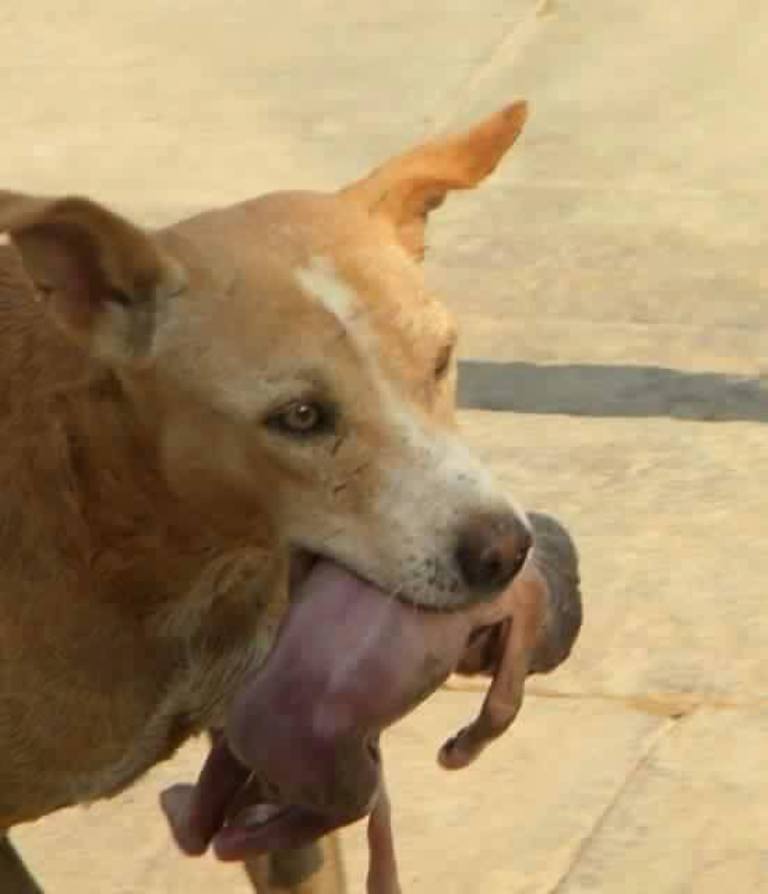
F’aċċident li ma jitwemminx, kelb tat-triq f’Oman, sab u salva tarbija tat-twelid meta ġarrha f’ħalqu mid-deżert sa ġiet salvata min-nies. L-awtoritajiet f’Oman fetħu investigazzjonijiet wara li dan l-aċċident seraq l-attenzjoni tal-pajjiż kollu, bl-Għarab jaqsmu bejniethom l-informazzjoni permezz tal-internet.

L-istorja seħħet f’Kharbika, Oman. Raġel li kien qed isuq rota lemaħ kelb mitlub miexi fit-triq b’xi ħaġa f’ħalqu. Imbagħad lemaħ qtar tad-demm fit-triq u għalhekk mar qrib tal-kelb biex jarah mill-qrib. Ma setax jemmen lil għajnejh. Il-kelb kellu tarbija tat-twelid, li ma kinitx ilha mwielda aktar minn ftit sigħat u kienet għadha bil-kurdun imwaħħal.altIr-raġel ħaseb li l-kelb kien se jiekol lit-tarbija, u li seta’ jagħmel għalih, iżda hekk kif inġemgħu aktar nies, il-kelb deher jitlaq lit-tarbija minn ħalqu. In-nies skantaw bir-reazzjoni tal-kelb, l-aktar għax kien kelb mitluq! Huma qalu li l-ħarsa f’għajnejn l-annimal kellha elf tifsira…. “Għinuh” jew “x’dinja krudila.”

Jidher li l-kelb kien qed iqarreb lejn sptar (jew jipprova jsib wieħed) biex iwassal lit-tarbija fis-sala tal-emerġenza. It-tobba baqgħu perplessi għax ma emmnux lil għajnejhom, peress li t-tarbija ma kinitx feruta u min jaf il-kelb kemm kien ilu jżommha f’ħalqu.
Mirakolożament it-tarbija ġiet salvata!

Waqt li l-awtoritajiet fetħu investigazzjoni,biex jaraw x’wassal għal dan l-abbandun, il-pulizija ċċekkjaw l-isptarijiet kollha għax ħasbu li l-kelb seta’ seraq lit-tarbija minn xi wieħed mill-isptarijiet, iżda l-ommijiet kollha kellhom it-trabit tagħhom. Ebda tarbija ma kienet nieqsa.

Madankollu, xhieda fl-ispatrijiet qalu lill-pulizija li aktar kmieni, tifla marret fl-emerġenza u ma riditx lit-tabib jinvistaha, kemm-il darba kien se jagħmel xi referenza għat-twelid. Għalhekk ħarbet. 

Il-Pulizija hi tal-fehma li din it-tifla taf tkun omm it-tarbija. Wellditha u ħallietha xi mkien fejn in-nies ma setgħux isibuha, iżda l-kelb sabha u kien jaf fejn għandu jmur biex isalvaha!

U minn dan kollu jirriżulta wkoll li anki fl-aħrax tad-deset, il-klieb jistgħu jitqiesu bħala anġli neżlin mis-sema.

The Royal Opera House

At the entrance of Valletta, next to the new House of Parliament, stand the ruins of the Royal Opera House. This ‘Teatro dell’Opera’ was built in 1861 on the site of a demolished house, known as ‘Casa La Giornata’, the residence of the Turcopilier of the Auberge d’Angleterre (English Auberge). 

There were several reasons which led to the building of a new Opera House at Valletta. The Manoel Theatre had become too small to house an ever increasing number of people. The Manoel’s stage became too small to stage certain type of operas such as those of Rossini, Donizetti, Puccini and Verdi. The number of tourists visiting the island was increasing, some wanted to visit this theatre for an opera night. The need for a new bigger theatre was being felt and an English architect Edward M. Barry was chosen for the project. The facade of the Opera House was typically Corinthian and it had a colonnade on all its sides. Its cost amounted to £60,000 which was a huge sum of money at the time.

An attraction of this theatre was the salon, which was placed over the entrance hall. This hall was lit by five large windows. The theatre’s painting-room and the workshops were on the roof. As the Opera House was one of Valletta’s attractions, the local government tried its best to manage this ‘musical heaven’. The day to day running was left in the hands of a committee which was appointed by the government of the day. By time the new theatre started to be very popular with both the Maltese and the families of the British servicemen who were stationed in Malta. The village elite used to dress up in their best attire and hire a ‘karozzin’ (Maltese traditional horse-driven coach) to take them to Valletta to watch an opera at this theatre.

History

The Royal Opera House opened on the night of 9 October, 1866, with Bellini’s famous opera ‘I Puritani’. Month after month, year after year, the opera seasons went on uninterruptedly, even during the First World War. There was only one exception; that is a brief interruption from 1874 to 1877 following a fire. This incident had destroyed the theatre’s interior fittings and decorations. It was reopened on 11 October, 1877, with Verdi’s new opera Aida. The theatre became more beautiful with boxes in five tiers and a pit which could accommodate more than 1,000 persons.

The Second World War brought the end of a long story of famous operas, composers’ visits and resonant voices. During this great war, one direct hit from an air attack brought the theatre to its knees. There were many attempts to rebuild the Royal Opera House. In the end it was decided to convert the site into an open-air theatre known as Pjazza Teatru Rjal.

Rigal flok Ieħor bi Żball

Għeluq snin in-nanna kien jaħbat nhar il-festa ta’ San Pawl, fl-10 ta’ Frar. Iżda, ommha u missierha kienu semmewha Marija minħabba li kienu Mostin u lil Santa Marija kienu jħobbuha wisq. Elise u Luca kellhom lill-ħabib tal-qalb tagħhom, Gordon li kien jiċċelebra għeluq sninu jumejn biss qabel in-nanna, jiġifieri fit-8 ta’ Frar. Billi dik is-sena kellu l-lucky birthday, il-mamà tiegħu ħasbet biex torganizzalu festin żgħir u tistedinlu erbat iħbieb minn tiegħu.alt

Xi jiem wara li rċivew l-invit id-dar, Elise u Luca marru l-Belt mal-mamà tagħhom biex jixtru rigal għal Gordon. Xtrawlu ġakketta u qalziet blu tal-jeans għax żgur kienu jogħġbuh daqskemm kien iħobb jilbes il-ħwejjeġ tal-jeans. Kif kienu hemm, xtraw dublett iswed għan-nanna ħalli jagħtuhulha rigal ukoll f’għeluq sninha. Imbagħad la rritornaw id-dar, il-mamà kebbet iż-żewġ rigali fil-karti bojod irrigati bl-aħdar ċar, li kienet xtrat mill-Belt ukoll, u qegħdithom fuq il-pultruna tas-salott b’tali mod li setgħet tagħrafhom minn xulxin. Poġġiet ir-rigal ta’ Gordon quddiem ir-rigal tan-nanna billi huwa kien se jirċevih l-ewwel. Imma r-rigali ma baqgħux f’dik l-ordni għall-ħin twil għax malajr ċaqalquhom minn posthom Elise u Luca meta daħlu jilagħbu fis-salott bil-moħbi tal-mamà.

Dakinhar tal-festin, Elise u Luca marru xi ftit kmieni għand Gordon għax il-mamà tiegħu, li kienet tħobbhom daqslikieku kienu wliedha, riedet tagħtihom ftit ikel u ħelu żejjed qabel jaslu l-mistednin. Fil-fatt, wara li lestew il-homework, libsu, ħatfu wieħed mir-rigali bl-addoċċ mis-salott u telqu bil-pass lejn id-dar ta’ ħabibhom li kien joqgħod ftit bibien ’il bogħod mid-dar tagħhom. Peter ma kienx mistieden u baqa’ d-dar mal-mamà jara l-cartoons.

Hekk kif messew il-qanpiena tal-bieb ta’ barra, il-mamà ta’ Gordon marret tiġri tiftħilhom. Daħħlithom fil-kċina u hemmhekk sabu lil Gordon jistenniehom b’dik is-soltu tbissima fuq wiċċu. Kantawlu Happy Birthday u tawh ir-rigal. It-tifel fetħu f’kemm ilni ngħid, iżda nħasad xħin sab dublett iswed. Ommu riedet tmut bid-daħk u Elise u Luca ħmaru nar bil-mistħija. Kienu tawh ir-rigal tan-nanna Marija bi żball. Bla telf ta’ żmien, marru lura lejn darhom biex jeħdulu r-rigal li kien verament tiegħu. Il-mamà riedet tikolhom bl-għajjat malli saret taf  x’kien ġara. Mill-ewwel indunat li din il-balbuljata kienet saret għax l-għorrief uliedha ma kinux ħallew ir-rigali fejn qegħdithom hi.

Wara ftit, reġgħu marru għand Gordon u l-mamà marret magħhom ukoll. Skużat ruħha miegħu u m’ommu f’isem Elise u Luca. Sa mnalla ħadd mill-mistednin ma kien għadu wasal għax min jaf kemm kienu jaqgħu iżjed għaċ-ċajt dawk iż-żewġt itfal imqarbin! Il-biċċa malajr mietet fuq ommha għax malli ra dik il-ġakketta u dak il-qalziet tal-jeans li tawh Elise u Luca, Gordon kien pront tefagħhom fuqu u tgħidx kemm iddandan bihom waqt il-festin quddiem il-mistednin. Kien jaf li Elise u Luca kienu jħobbuh u li ma kinux tawh rigal b’ieħor apposta. Imma kien jaf ukoll li l-praspar kienu jikluhom bil-ħobż u issa kien drahom sew dejjem joħorġu b’xi waħda ġdida.

L-eqdem Vanġelu ta’ San Mark?

Charles B. Spiteri

alt

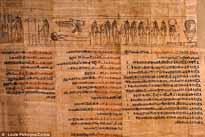
Biċċa papiru użata biex issir il-maskra ta’ mummja, jaf fiha l-eqdem kopja ta’ vanġelu.

Il-materjal reċiklat fih parti mill-Vanġelu ta’ San Mark, li kien miktub fl-ewwel seklu u, skont l-esperti, hu eqdem minn dak misjub, b’madwar mitt sena.

Il-kitba, li aktarx tkun pubblikata, ħarġet fid-dawl mill-ġdid permezz ta’ teknika li ntużat u li tippermetti li l-kolla użata għall-infaxxar iddub mingħajr ma tagħmel ebda ħsara lil-linka fuq il-papiru. Madankollu teqred l-artifatt oriġinali.

Waqt li l-Faragħuni kien ikollhom forom tad-deheb, kienet ħaġa komuni għall-Eġizzjani fi grad inqas li jindifnu b’maskra tal-papiru, żebgħa u kolla – speċi ta’ papier-mâchè.

Peress li l-papiru kien jiswa l-flus, in-nies kienu jerġgħu jagħmlu użu minn dawk il-papiri li jkollhom il-kitba fuqhom.

Xjenzjati fil-Kulleġġ Acadia Divinity f’Wolfville, Nova Scotia, neħħew il-kolla biex wettqu s-sejba.

Craig Evans, professur tal-Istudji tat-Testment il-Ġdid, qal lil LiveScience: “Qed niksbu dokumenti qodma mill-ewwel, it-tieni u t-tielet seklu, li ntużaw biex jagħmlu l-maskri tal-mummji.” Żied jgħid li s’issa nstabet ukoll kitba  Griega klassika, fosthom poeżiji ta’ Homer, dokumenti bibliċi u karti ta’ negozju li jmorru lura eluf ta’ snin.

Xejn Kristjan fil-Figolli tal-Għid

Minn dak li nsibu, ma hemm ebda rabta bejn il-figolli u t-tlugħ fis-sema ta’ Sidna Ġesù… il-festa tal-Għid. 
 
Il-bajd tal-Għid, magħrufin ukoll bħala Paschal eggs huma dawk il-bajd imżejnin, li jingħataw bħala rigal fir-Rebbiegħa, li aktar tard intrabat magħha l-Għid. Miż-żminijiet antiki, il-bajd kien jitqies bħala simbolu tal-fertilità u t-twelid mill-ġdid.alt
 
Hi drawwa li tmur ferm lil hinn mit-tradizzjonijiet Kristjani, fejn il-qxur tal-bajd kienu jiġu dekorati. Insibu pereżempju li fuq il-qoxra tal-bajd tan-ngħam kienu jagħmlu inċiżjonijiet sa minn 60,000 sena ilu. Minnhom instabu fl-Afrika. Imbagħad kien hemm rappreżentazzjonijiet tagħhom fid-deheb u fil-fidda, li ġeneralment kienu jitqiegħdu fl-oqbra tas-Sumerjani u l-Eġizzjani tal-qedem; madwar 5,000 sena ilu.
 
L-Insara bdew jiddekoraw il-bajd għal din il-festa, lejn il-bidu tal-Kristjaneżmu fil-Meżopotamja. Huma kienu jiżbgħu l-qxur tal-bajd b’kulur aħmar, bħala tifkira tad-demm li Kristu xerred waqt il-kruċifissjoni. Minn dak iż-żmien, il-Knisja Kattolika adottat din id-drawwa u qieset l-istess bajd bħala simbolu tal-qawmien mill-mewt.
 
Fl-ewwel edizzjoni tar-Ritwal Ruman, li kienet pubblikata fl-1610, għalkemm fiha kitbiet ta’ żminijiet qabel, wieħed isib li fost it-tberik tal-ikel għall-Għid wieħed kien isib ukoll il-ħaruf, il-ħobż, l-ikel prodott ġdid u kif ukoll il-bajd.
 
Għalkemm it-tradizzjoni hi li tintuża żebgħa fuq il-bajd tat-tiġieġ, drawwa moderna hi li jintużaw bajd taċ-ċikkulata, inkella tal-plastik mimlijin bil-ħelu. Ħafna drabi, l-istess bajd tal-Għid kien jkun moħbi biex jinstab mit-tfal nhar l-Għid filgħodu, meta kien jingħad li jkun wassalhomlhom l-Easter Bunny… l-istess bħalma jsir bir-rigali tal-Milied, meta jwemmnuhom li ġabhomlhom Father Christmas!
 
Imbagħad, minn dak iż-żmien ’l hawn, almenu f’pajjiżna, bdejna naraw kull sura ta’ dik li ngħidulha ‘figolla’, magħmula mid-dqiq u aktar tard minn dqiq u intrita, f’forom ta’ ħaruf, nisa ħoxnin, fniek, ħut u karozzi, fost oħrajn. Ma fadalx festa waħda li maż-żmien ma saritx kummerċjalizzata!

When Maltese bells peal

A characteristic of the Maltese Islands is the pealing of bells. These are heard in old parts of towns and villages especially when one is passing by a major church. The visitor may wonder at the different peals and frequency of ringing.

The best two localities, famous for ringing bells, are Ħal Qormi (St George’s) and Birkirkara (St Helen’s). Their bells have kept the traditional rule of informing the faithful of events occurring in the locality.

The bells start the day very early. At around 4.30 am the ‘Pater Noster’ is rung with 33 strokes. 33 stands for the number of years Our Lord spent on earth. The other three main ringing times are at 8.00 am, midday and sunset. Many people associated these ringing times with a prayer called ‘Angelus’. The day ends with the ringing of the last bells an hour after the evening ‘Angelus’. This is referred to as ‘De Profundis’. In some localities, their bells ring again another hour after ‘De Profundis’ to remind the faithful that the first hour of the night had already passed.

The celebration of Mass has its particular pealing. Mass is announced by a few strokes of a bell fifteen minutes before it starts. This gives enough time for the faithful to leave home and gather in church. Another particular pealing occurs when a church is elevated to the dignity of a Collegiate. In this case the bells ring a two-toned peal for fifteen minutes to inform everyone that the members of the church’s Chapter will gather for matins and vespers.

In former days, the church bells used to peal to announce that someone in the parish was dying. This started by nine strokes which were followed by three strokes every hour until the passing bell was rung. The passing bell was followed by the death bell. These last two types of bells are still very common in old towns and villages. There was also a special bell peal called ‘Gloria’ when an infant died.

Feast days and sermons had their special pealing. On a festive season, before High Mass and vespers of the titular feast the church bells ring in four periods. When the feast is of secondary importance, the bells ring in three periods of ringing. When there is a special sermon the church bells ring a few minutes before it starts. 

The crib in Malta

Christmas traditions in Malta seem to be a combination of lay and semi-religious manifestations. The crib is one of the main semi-religious activities. Some folklore writers think that the first crib was introduced in Malta in 1617/18 by Blackfriars in their Rabat church. This crib was lit up on Christmas Eve with earthenware lamps burning inside paper lanterns.

Cribs were later introduced in state hospitals. Then the locals started producing their own for their homes. Maltese crib figures started to be made out of clay. Only the figure of the Infant Jesus and sheep were made out of wax. The Maltese created two types of cribs – small ones (know locally as ‘il-grotta’) and bigger ones. One of these crib makers was Maestro Saverio Laferla. His fame was widespread all over the islands, so much so that an eighteenth-century diarist entered the following comment for the 19 January 1761: ‘the death has occurred of Maestro Saverio Laferla, a barber, acclaimed for his skills in making cribs and statues of papier-mâché.’

In the 1870s we come across a large-scale mechanised crib at Ħal Qormi. It seems that this crib created such a sensation that 7 years later there was another one at Tas-Sliema. By the turn of the twentieth century the large-scale cribs became so popular with the Maltese that we find several references to them in the local press.

Nowadays we find cribs in many Maltese homes. Schools and other public institutions such as old people’s homes and hospitals also have their own crib. The crib’s popularity increased due to the activities of two crib clubs – one in Malta and another in Gozo. Both clubs organise a crib exhibition a few days before Christmas Day.

Clay crib figures have become popular again. We find two types of crib figures – the Maltese and Palestine types. The Maltese figures are dressed up in local costumes while the Palestine type wears biblical attire. The main figures of the Virgin and St Joseph as well as the three Magi (sometimes referred to as ‘kings’) are always dressed up in biblical style. Many Maltese open their crib to the public. Some of theses cribs are exhibited in garages and small chapels. The local press usually features some addresses to help both locals and tourists visit these cribs.

The Floriana major memorials

Floriana, Valletta’s suburb, is full of public gardens and memorials. The main memorials are assembled along the main route – Floriana’s St Anne Street – and before Valletta’s entrance area.

As you pass by Porte des Bombes on your right you will find the Dante Alighieri memorial. This was erected on the initiative of the Società Dante Alighieri. The monument is based on the winning design of Vincent Apap. It shows this Italian poet standing on rocks while in deep meditations. The pedestal is a rarity as it consists of 3 roughly cut boulders, symbolising Paradiso (paradise) Purgatorio (purgatory) and L’ Infermo (hell) the three ‘divisions’ of Dante Alighieri’s greatest literacy work – La Divina Comedia.

A few meters away along the same street, there is the Manoel de Vilhena Memorial. This monument was originally placed in the ‘Piazza d’Armi’ of Fort Manoel on Manoel Island. The monument was erected on the initiative of Fra Felician de Mont Savasse, a knight of the Order of St John. The figure was cast in bronze in the Order’s foundry by Aloisio Bouchut. The monument was relocated first in Valletta in ‘Piazza Tesoreria’ and later at the entrance of the Maglio Gardens. In 1989 it was relocated again to its present location in Pope John XXIII Square to make way for the Independence Monument.

At the end of St Anne Street there is the War Memorial. It was erected according to the design of Louis Naudi. This square-faced obelisk was constructed in Maltese lower globigerina limestone. At the bottom there are 4 commemorative plaques. The obelisk is a good example of British pre-war military and colonial art.

The Air Force Memorial is found at the left of the War Memorial. It consists of a column which is topped with a gilded eagle. At the bottom of this monument, there are circular plaques bearing the names of the fallen Air Forces heroes. It was designed by Charles Wheeler and Hubert Worthington. This monument is reminiscent of the pro-Anglican post war period. It is worthwhile to mention that every year wreath laying ceremonies takes places in front of these two memorials, in the presence of the President of the Republic, the Prime Minister and other dignitaries.

Next to this monument there is the Christ the King Memorial. Designed by Antonio Sciortino to mark the beginning of the 20th century, the 1900 Holy Year dedicated to Christ the Redeemer and the Eucharistic Congress of 1913. This congress was held in Malta. The bronze works were cast in the Rome Buongirolami foundry. The central figure represents Christ in a moving pose while the other figure represents Malta, in a veneration act. In former times this monument was the starting point of pilgrimages which used to end at St John’s Co-Cathedral. 

In front of the Maglio Gardens’ entrance there is the Independence Memorial. It was erected in 1989 showing a female figure representing Malta being unwrapped from a big, long bandage.