Temmen fl-ispirti fl-għamara antika?

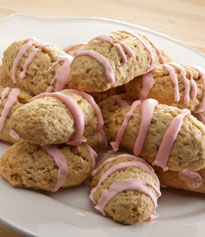
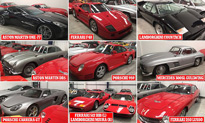
Meta xi ħaġa tmur ħażin matul il-lejl, żgur li l-inqas ħaġa li twaħħal fiha jkun il-bastun tan-nannu! Iżda dak jaf ikun l-oġġett sfortunat f’numru ta’ postijiet meqjusa msaħħra.alt
 
F’nofs is-seklu dsatax, f’South Carolina, Jacob Cooley qatel ilsir bl-isem ta’ Hosea, talli ħadimlu bagoll li ma kienx kif xtaqu hu. L-ilsiera ħbieb ta’ Hosea vvendikaw irwieħhom billi marru għand saħħar u talbuh jagħmel magħmul fuq il-bagoll. Dan il-magħmul wassal għall-mewt ta’ 17-il persuna qrib ta’ Colley, fosthom l-ewwel tifel li twelidlu. Is-saħta tneħħiet aktar tard minn saħħara; u llum il-bagoll jinsab fil-Mużew tal-Istorja f’Kentucky.
 
Meta l-proneputi ta’ Mary Anderson ra l-ispirtu ta’ nannuh fid-dar f’Indiana, qatgħetha li tneħħi l-beżgħat tat-tifel billi tbigħ il-bastun li kellu n-nannu.
Min ħallas l-iktar għalih fl-irkant, intalab jikteb ittra lit-tifel, jgħidlu li l-bastun sab postu. Għalih tħallset is-somma ta’ €57,286 u llum jinsab fil-Golden Palace Casino f’Antigwa.
 
Il-pittura ta’ Bruno Amadio, li turi tifel jibki, qajmet furur fis-snin tmenin meta ġellied tan-nar f’Yorkshire stqarr li ra l-pittura mhix mittiefsa f’nirien li ħakmu dar. Bdew id-diċeriji li l-pittura kellha xi magħmul.
 
Il-gazzetti organizzaw ħruq tal-kopji tal-pittura biex jeħilsu lill-pajjiż mis-saħta. Il-każ tal-bunk beds misħutin f’Wisconsin sar magħruf fl-1987, meta Alan u Debby Tallman xtrawhom mingħand regettier lokali. Minn meta daħħluhom id-dar, qattgħu disa’ xhur jgħixu f’biża’ totali.
 
Is-settijiet tar-radju bdew jixegħlu u jintfew weħidhom; it-tfal beda jitlgħalhom id-deni mix-xejn u sa raw xbieha ta’ saħħara matul il-lejl. Il-familja sejħet lil saċerdot għall-għajnuna u għal xi żmien kollox ikkwieta. Iżda fil-Milied tal-1988, is-Sur Tallman sema’ vuċi titolbu jmur fil-garaxx, fejn ra nar enormi li ntefa dikment.
 
Is-‘siġġu tal-mewt’ ta’ Pennsylvania kien l-aktar artefatt prezzjuż miżmum f’Baelroy Mansion f’Philadelphia.
Jingħad li dan is-siġġu ta’ 200 sena kien ta’ Napuljun, iżda l-fatat li jimmanifesta ruħu f’din l-għamara jieħu l-forma ta’ mara żagħżugħa bl-isem ta’ Amelia. Hi tidher f’ħuġġieġa ta’ lewn ikħal.
 
Is-siġġu ħa ismu wara li erbgħa min-nies mietu ħesrem wara li poġġew fuqu, u jingħad li l-istess xorti tmiss lil kull min jittanta jużah.
Ir-Reċta

Meta qorbot lejn tmiemha s-sena skolastika, l-għalliema tad-drama, Miss Borg, ħasbet biex bħal kull sena, ittella’ reċta. Fiha dejjem kienu jieħdu sehem għadd ta’ tfal minn klassijiet differenti. It-tfal l-oħra, li ma kinux jingħataw parti, kienu jsegwu r-reċta minn fuq is-siġġijiet tas-sala tal-iskola flimkien mal-kumplament tal-għalliema u l-Kap tal-iskola. Il-ġenituri ma setgħux jattendu minħabba li r-reċta kienet tittella’ waqt il-ħin tal-iskola.

Din is-sena, Elise kienet se tieħu sehem fir-reċta għall-ewwel darba. Anki Emma u Danica, li kienu fl-istess klassi tagħha, intgħażlu minn Miss Borg. It-tlieta li huma ngħataw parti żgħira fir-reċta u ma xxennqux għal xi parti prinċipali għax daqshekk kien biżżejjed għalihom biex ikunu kuntenti. Ir-reċta kienet se tkun dwar x’jagħmlu l-għalliema u l-istudenti tagħha waqt il-lezzjoni tal-Matematika; u Elise, Emma u Danica kellhom ikunu tliet studenti minn fost grupp ta’ ħmistax. Għaldaqstant, il-kostum ma kienx se jkun problema għalihom għax kienu se jitilgħu fuq il-palk bl-uniformi tal-iskola stess. Miss Borg tathom l-iskript, li kienet kitbet hi stess bil-Malti, u indikatilhom liema linji kellhom jistudjaw. Fil-brejk bdew joqogħdu ġewwa fil-klassi biex jgħinu lil xulxin jistudjaw il-linji sew.

Ma ridux jaqgħu għaċ-ċajt ħalli darb’oħra Miss Borg terġa’ tagħżilhom għal reċta oħra. Saħansitra, meta Elise kienet tasal lura d-dar mill-iskola, kienet terġa’ tirrevedi l-linji mal-papà, li meta kien għadu tifel, kien l-għors tiegħu jieħu sehem fir-reċti tal-iskola u tal-Mużew fejn kien jattendi. Elise kienet tgħallmet il-linji tagħha kollha bl-amment f’qasir żmien, u meta marret għall-provi tar-reċta, Miss Borg kellha kliem ta’ tifħir lejha, u l-istess lejn sħabha.

Iżda bħal sajjetta fil-bnazzi, jumejn biss qabel ittellgħet ir-reċta, Elise qabdet tagħtas waħda f’waħda, kellha wġigħ ta’ ras taqsam u telgħalha d-deni wkoll. It-tabib wissieha biex tibqa’ fis-sodda sakemm jgħaddilha għalkollox. Kienet belgħet riħ mat-taqlib tal-arja mid-dehra. Sa mnalla kienet laħqet lestiet mill-eżamijiet għax li kieku falliethom kien ikollha tagħmel sajf tistudja biex tagħmilhom f’Settembru qabel is-sena skolastika li jmiss. Xorta ddispjaċieha bil-kbir talli kienet tilfet ir-reċta. Imma ma kienx hemmx x’tagħmel. Anki l-mamà u l-papà xtaqu li Elise ma marditx lejlet ir-reċta, iżda qalulha li aħjar tieħu ħsieb saħħitha, u ma tgħaddasx rasha u tmur l-iskola, ma jmurx ikollha konsegwenzi agħar.

Il-linji tagħha qasmuhom bejniethom Danica u Emma bejn għax kienu jafuhom fuq ponot subgħajhom u bejn għax Miss Borg ma kellhiex żmien biżżejjed biex tqabbad lil xi ħaddieħor minflokha. Però, lil Elise wegħditha li s-sena ta’ wara żgur kienet se tagħtiha parti f’reċta oħra, grazzi għall-entużjażmu tagħha. Għalkemm kien fadal ftit żmien mhux ħażin, it-tifla diġà ħassitha timtela bil-kuraġġ u bil-ħerqa. Fir-reċta li kien imiss, Miss Borg tatha l-parti prinċipali, li daħlet għaliha b’ruħha u b’ġisimha. Tgħidx x’applaws u prosit kbira qalgħet mill-udjenza għaliex ħarġet bl-unuri fuq il-palk daqs l-aqwa attriċi!

L-ixjeħ rekord fuq l-Everest

Ġappuniż ta’ 80 sena sar l-ixjeħ raġel li tela’ fil-quċċata tal-Muntanja Everest

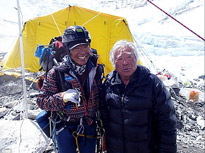
altXi żmien ilu, Yuichiro Miura rnexxielu jitla’ fuq nett tad-29,035 pied, u kiser ir-rekord li kien wettaq ir-rival tiegħu ta’ 81 sena min-Nepal, Min Bahadur Sherchan.

Snin ilu, Yuichiro Miura tela’ l-istess muntanja, iżda ma rnexxilux jegħleb lil Sherchan, sal-quċċata, li meta wettaq ir-rekord, kellu 76 sena.

Mill-quċċata tal-Everest, Yuichiro u ibnu Gota, ikkuntattjaw lit-tim tal-appoġġ tagħhom, biex ħabbrulhom l-aħbar. Yuichiro qal “qed inħossni l-aqwa fid-dinja, iżda għajjien totalment.”

Meta tħabbret l-aħbar, Min Bahadur Sherchan kien qed iħejji biex jipprova jerġa’ jikseb rekord għalih.

When Maltese bells peal

A characteristic of the Maltese Islands is the pealing of bells. These are heard in old parts of towns and villages especially when one is passing by a major church. The visitor may wonder at the different peals and frequency of ringing.

The best two localities, famous for ringing bells, are Ħal Qormi (St George’s) and Birkirkara (St Helen’s). Their bells have kept the traditional rule of informing the faithful of events occurring in the locality.

The bells start the day very early. At around 4.30 am the ‘Pater Noster’ is rung with 33 strokes. 33 stands for the number of years Our Lord spent on earth. The other three main ringing times are at 8.00 am, midday and sunset. Many people associated these ringing times with a prayer called ‘Angelus’. The day ends with the ringing of the last bells an hour after the evening ‘Angelus’. This is referred to as ‘De Profundis’. In some localities, their bells ring again another hour after ‘De Profundis’ to remind the faithful that the first hour of the night had already passed.

The celebration of Mass has its particular pealing. Mass is announced by a few strokes of a bell fifteen minutes before it starts. This gives enough time for the faithful to leave home and gather in church. Another particular pealing occurs when a church is elevated to the dignity of a Collegiate. In this case the bells ring a two-toned peal for fifteen minutes to inform everyone that the members of the church’s Chapter will gather for matins and vespers.

In former days, the church bells used to peal to announce that someone in the parish was dying. This started by nine strokes which were followed by three strokes every hour until the passing bell was rung. The passing bell was followed by the death bell. These last two types of bells are still very common in old towns and villages. There was also a special bell peal called ‘Gloria’ when an infant died.

Feast days and sermons had their special pealing. On a festive season, before High Mass and vespers of the titular feast the church bells ring in four periods. When the feast is of secondary importance, the bells ring in three periods of ringing. When there is a special sermon the church bells ring a few minutes before it starts. 

The crib in Malta

Christmas traditions in Malta seem to be a combination of lay and semi-religious manifestations. The crib is one of the main semi-religious activities. Some folklore writers think that the first crib was introduced in Malta in 1617/18 by Blackfriars in their Rabat church. This crib was lit up on Christmas Eve with earthenware lamps burning inside paper lanterns.

Cribs were later introduced in state hospitals. Then the locals started producing their own for their homes. Maltese crib figures started to be made out of clay. Only the figure of the Infant Jesus and sheep were made out of wax. The Maltese created two types of cribs – small ones (know locally as ‘il-grotta’) and bigger ones. One of these crib makers was Maestro Saverio Laferla. His fame was widespread all over the islands, so much so that an eighteenth-century diarist entered the following comment for the 19 January 1761: ‘the death has occurred of Maestro Saverio Laferla, a barber, acclaimed for his skills in making cribs and statues of papier-mâché.’

In the 1870s we come across a large-scale mechanised crib at Ħal Qormi. It seems that this crib created such a sensation that 7 years later there was another one at Tas-Sliema. By the turn of the twentieth century the large-scale cribs became so popular with the Maltese that we find several references to them in the local press.

Nowadays we find cribs in many Maltese homes. Schools and other public institutions such as old people’s homes and hospitals also have their own crib. The crib’s popularity increased due to the activities of two crib clubs – one in Malta and another in Gozo. Both clubs organise a crib exhibition a few days before Christmas Day.

Clay crib figures have become popular again. We find two types of crib figures – the Maltese and Palestine types. The Maltese figures are dressed up in local costumes while the Palestine type wears biblical attire. The main figures of the Virgin and St Joseph as well as the three Magi (sometimes referred to as ‘kings’) are always dressed up in biblical style. Many Maltese open their crib to the public. Some of theses cribs are exhibited in garages and small chapels. The local press usually features some addresses to help both locals and tourists visit these cribs.

The Floriana major memorials

Floriana, Valletta’s suburb, is full of public gardens and memorials. The main memorials are assembled along the main route – Floriana’s St Anne Street – and before Valletta’s entrance area.

As you pass by Porte des Bombes on your right you will find the Dante Alighieri memorial. This was erected on the initiative of the Società Dante Alighieri. The monument is based on the winning design of Vincent Apap. It shows this Italian poet standing on rocks while in deep meditations. The pedestal is a rarity as it consists of 3 roughly cut boulders, symbolising Paradiso (paradise) Purgatorio (purgatory) and L’ Infermo (hell) the three ‘divisions’ of Dante Alighieri’s greatest literacy work – La Divina Comedia.

A few meters away along the same street, there is the Manoel de Vilhena Memorial. This monument was originally placed in the ‘Piazza d’Armi’ of Fort Manoel on Manoel Island. The monument was erected on the initiative of Fra Felician de Mont Savasse, a knight of the Order of St John. The figure was cast in bronze in the Order’s foundry by Aloisio Bouchut. The monument was relocated first in Valletta in ‘Piazza Tesoreria’ and later at the entrance of the Maglio Gardens. In 1989 it was relocated again to its present location in Pope John XXIII Square to make way for the Independence Monument.

At the end of St Anne Street there is the War Memorial. It was erected according to the design of Louis Naudi. This square-faced obelisk was constructed in Maltese lower globigerina limestone. At the bottom there are 4 commemorative plaques. The obelisk is a good example of British pre-war military and colonial art.

The Air Force Memorial is found at the left of the War Memorial. It consists of a column which is topped with a gilded eagle. At the bottom of this monument, there are circular plaques bearing the names of the fallen Air Forces heroes. It was designed by Charles Wheeler and Hubert Worthington. This monument is reminiscent of the pro-Anglican post war period. It is worthwhile to mention that every year wreath laying ceremonies takes places in front of these two memorials, in the presence of the President of the Republic, the Prime Minister and other dignitaries.

Next to this monument there is the Christ the King Memorial. Designed by Antonio Sciortino to mark the beginning of the 20th century, the 1900 Holy Year dedicated to Christ the Redeemer and the Eucharistic Congress of 1913. This congress was held in Malta. The bronze works were cast in the Rome Buongirolami foundry. The central figure represents Christ in a moving pose while the other figure represents Malta, in a veneration act. In former times this monument was the starting point of pilgrimages which used to end at St John’s Co-Cathedral. 

In front of the Maglio Gardens’ entrance there is the Independence Memorial. It was erected in 1989 showing a female figure representing Malta being unwrapped from a big, long bandage.

Fortified castles

The knights of St John built long kilometres of fortified walls. They also built palaces and ‘auberges’ as places of residence. On the other hand, they seemed not to be keen to build castles. Throughout the years they only built one at Boschetto, a few kilometres away from Rabat/Mdina – Verdala Castle. The Maltese nobles built a few but only one is on a large scale – Selmun Castle.

Verdala Castle

The Grand Master, as head of the Order of St John, had his own castle – Verdala Castle. It was built during the time of Cardinal Grand Master Huges Loubenx de Verdalle as a summer palace. This castle is on high ground to benefit from cool summer breezes. It was built according to the design of Girolamo Cassar in 1586. It has a square plan. Next to it there is its chapel with its titular painting, a work of Mattia Preti.

This edifice is three storeys high and its corners are in the form of a tower. In case of enemy attack, from its rooftop, messages could be sent to the Valletta Magisterial Palace (today the President’s Palace). Its major attractions are a series of paintings depicting the life of Grand Master de Verdalle, executed by Filippo Paladini and its elliptical staircase. The castle is used by the Head of State as a summer residence. As sometimes this palace is opened to the public, I suggest that you ask the Tourist Information Office whether you could visit this historic place of interest.

Selmun Castle

The other castle was built on the plans of Maltese architect Domenico Cachia, around the year 1786. Its design was influenced by eighteenth-century architectural trends in Europe for fortified villas. It was built at the expense of a Maltese noble family. This castle stands on Mellieħa ridge. At its corners there are bastioned turrets. This castle is famous for its imposing hall as well as its banqueting room. It is worthwhile to mention that later this castle was used as a residence of the British petrol firm’s (BP) chairman residence. Subsequent it was turned into a hotel, a restaurant and tea rooms for a number of years. 

The sanctuary of Our Lady of Ta’ Pinu

A large sanctuary stands on a hillock in the locality known as Ta’ Għammar, half-way between the Gozitan villages of Għarb and Għasri. This sanctuary has a particular story to tell. It started with the building of a small chapel by the Gentili family, dedicated to the Assumption of Our Lady. Around 1592 this chapel became the property of Filippinu Gauci who repaired it and commissioned a new titular painting. The chapel started to be know as ‘Santa Marija ta’ Pinu’ (Pinu is a name which orginated from Filippinu).

It was rumoured that a certain spinster from Għarb was invited by Our Lady to frequent this chapel in order to pray. One morning this woman was rather late and decided to recite her prayers while proceeding on her way to the chapel. As she approached the chapel’s footpath she heard a voice coming apparently from within the chapel: ‘Come! Come!’ She paused for a while and the voice continued: ‘Come today, for you will not be able to come back for a whole year.’ She went to fetch the key and entered the chapel. The voice continued: ’Recite three Hail Marys in honour of the three days that my body rested in the tomb.’

Many people got to know about this story and rumours started to be added. The church authorities wanted to put an end to these rumours published the true story in a diocesan newspaper. People started visiting this chapel. Priests began celebrating Mass from under a canopy which was erected in front of the chapel. As prayers were answered by Our Lady the offerings increased. Many holy pictures of the titular painting were printed. People started taking some oil from the lamp which was lit in front of the effigy. When they returned home they would anoint their sick with this oil.

The Gozitan Bishop decided to build a church next to this chapel. Its foundation stone was laid in 1920. The sanctuary edifice was completed after 16 years. Today this sanctuary is the main Marian church in Gozo. It is still visited by many people asking for the intervention of the Mother of God on their behalf. One of the visitors was Pope John Paul II who said Mass on the sanctuary parvis. In the ceremony he placed a halo of golden stars studded with diamonds around the head of the Marian effigy.

Peter Isib Kumpanija Ġdida fil-Weekend

alt

Meta Elise u Luca kien ikollhom ruxxmata homework x’jagħmlu fil-weekend, qajla kienu jiċċaqalqu minn mal-mejda tal-kċina. Il-mamà kienet dejjem tgħidilhom biex ix-xogħol tal-iskola ma jħalluhx għall-aħħar minuta għax inkella kienu jinsew xi tkun spjegatilhom l-għalliema fil-klassi. Huma kienu jagħmlu kif tgħidilhom hi, u jitfgħu rashom fil-pitazzi u fil-kotba. Peter kien isib ruħu waħdu għax il-mamà ma kinitx tħallih jersaq lejn fejn ikunu ħutu ma jmurx itellifhom u jmorru lura f’xi suġġett. Ta’ tifel li kien, kien jagħmel f’qalbu u joqgħod jeqred u jibki għax kien ikun irid imur ħdejhom bilfors. Lill-mamà ġieli tellagħhomlha u kienet tgħajjat miegħu meta ma kienx joqgħod kwiet.

Peter kien qiegħed jixba’ sal-ponta ta’ mnieħru kważi dejjem iqatta’ l-weekend waħdu. Xtaq ħafna lil xi ħadd tamparu jagħmillu kumpanija fil-weekend fin-nuqqas ta’ Elise u Luca. Ħbieb ma tantx kellu, u għalhekk ftakar fis-sekondi kuġini tiegħu, Liza u Martin, li kienu jgħixu n-naħa tal-wied xi kwarta mixi bogħod mid-dar tiegħu. Ma kienx imur għandhom ta’ spiss, iżda meta xi darba kien imur għandhom fil-vaganzi tas-sajf, tassew kienu jieħdu gost jilagħbu miegħu. Liza u Martin kienu jħobbuh ħafna, iżda billi ma kinux qraba daqshekk mill-viċin, il-kuntatt bejniethom kien limitat.

Darba waħda s-Sibt filgħodu, Elise u Luca qamu kmieni biex jibdew ilestu x-xogħol li kienet tathom l-għalliema bil-mod il-mod. Dakinhar kellhom jagħmlu, fost l-oħrajn, proġett dwar il-poeti Maltin, kif ukoll jistudjaw għat-testijiet li kellhom isiru matul il-ġimgħa ta’ wara. Peter kien jinsab bi kwietu fil-kamra tas-sodda jilgħab bil-karozza l-ħamra li l-mamà kienet xtratlu mill-Belt. F’xi l-għaxra, instema’ Ġamri tal-ħobż idoqq il-ħorn. Il-mamà ħarġet bħas-soltu tixtri żewġ ħobżiet kbar tal-Malti friski u tajbin, u ħalliet il-bieb ta’ barra ftit imbexxaq. Kif reġgħet daħlet ġewwa, għamlet biċċa ħobż mixwija bil-butir u bil-perżut għax kellha l-ġuħ. Wara ftit, poġġiet bilqiegħda fejn Luca u Elise biex tgħinhom ftit fis-somom għax ħassewhom xi ftit jew wisq tqal dakinhar.

Malli beda jċempel il-mowbajl, il-mamà qamet bil-ħeffa minn fuq is-siġġu u qabditu minnufih. Inħasdet ftit xħin saret taf li kienet ċemplitilha kuġinitha Agnes, li tarrfitilha kif Peter kien għandu kemm mar għandha biex joqgħod jilgħab ma’ Liza u ma’ Martin. Hija kompliet tgħidilha li meta staqsietu fejn kienet il-mamà, huwa weġibha li kien ħareġ inkiss inkiss mid-dar waqt li l-mamà kienet ħarġet tixtri l-ħobż u ħalliet il-bieb tad-dar imbexxaq. Il-mamà kienet mingħaliha li Peter kien għadu fil-kamra fejn ħallietu hi, u li kieku ma infurmathiex Agnes, kienet iddum ma tinduna li kien mar xi mkien bla ma kien qalilha. Minn dakinhar ’il quddiem, Peter baqa’ jmur sikwit għand Liza u Martin, imma kienet twasslu s’għandhom il-mamà bil-mixi ma jmurx, allaħares qatt, ittajru xi karozza. Peter kien kuntent għall-aħħar li kien sab kumpanija ġdida għall-waqt il-weekend, u iżjed ma għadda żmien iżjed sar ħaġa waħda ma’ Liza u Martin, li wara kollox kien beda jistħajjilhom Luca u Elise, għax b’kumbinazzjoni kienu kważi daqshom fl-età u kienu jmorru tajjeb ħafna flimkien.