
Johnnie Johnson
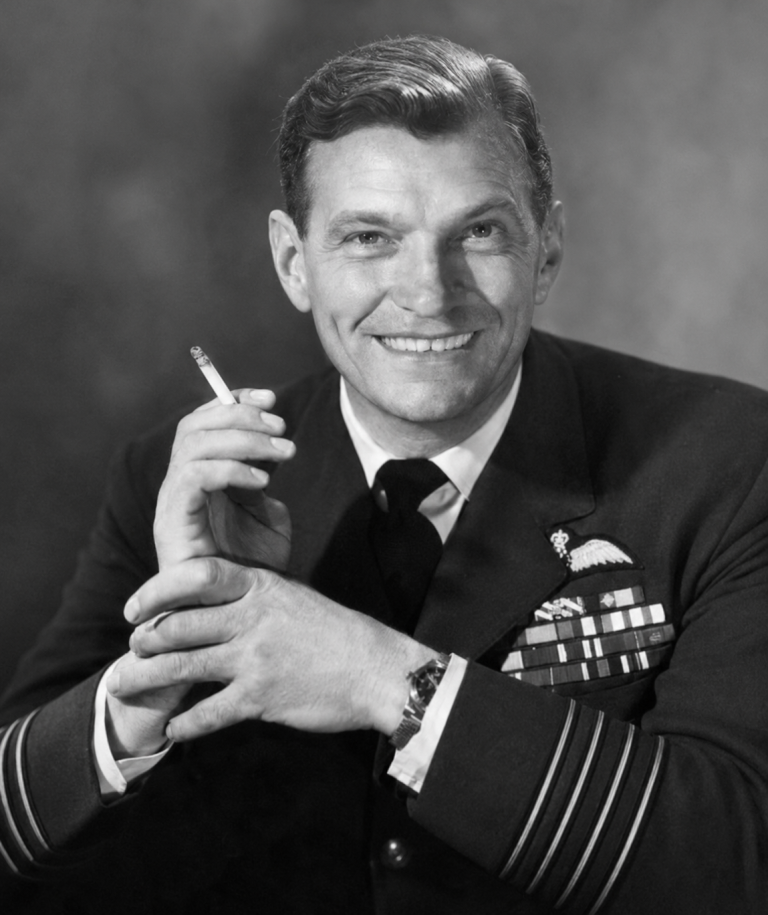
Air Vice-Marshal James Edgar “Johnnie” Johnson (1915–2001) was one of the Royal Air Force’s most distinguished fighter leaders and the highest-scoring British and Commonwealth fighter ace of the Second World War. He commanded formations such as No. 127 Wing RAF and later No. 144 Wing (RCAF), flying hundreds of operational sorties and engaging enemy aircraft repeatedly over France, the Low Countries, and Germany. By the end of the war, he was credited with 34 confirmed aerial victories, making him the top-scoring RAF ace of the war on the Western Front.
Johnson joined the RAF in 1939 and quickly became a skilled Spitfire pilot, flying offensive operations over occupied Europe. His leadership and combat ability led to his appointment as a “wing leader”, a tactical command role created during the war to direct multiple fighter squadrons in coordinated operations. In this position, he became one of the RAF’s most effective air combat leaders, refining tactics such as the “finger-four” formation that improved flexibility and survivability in dogfights. After WWII, Johnson remained in the RAF, eventually rising to the rank of Air Vice-Marshal before retiring in 1966. He later wrote about his experiences, including his autobiography Wing Leader, which is regarded as a classic account of RAF fighter operations. He is remembered as both an exceptional combat pilot and an influential tactical commander who helped shape modern air combat doctrine.
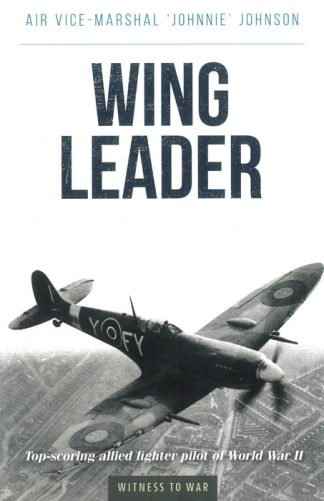
“Wing Leader,” authored by the distinguished Royal Air Force pilot Johnnie Johnson, is a compelling memoir that chronicles the experiences of one of the most celebrated fighter pilots of World War. The book not only serves as a personal narrative and is a testament to his remarkable career but also as a historical document that provides insight into the aerial combat strategies and the psychological landscape of warfare during a tumultuous period. Johnson’s account is rich with detail, offering readers a front-row seat to the challenges and triumphs faced by those who flew in the skies over Europe. His reflections on leadership, camaraderie, and the harsh realities of war resonate deeply, making “Wing Leader” an essential read for both aviation enthusiasts and historians alike.
Showing the single result
Showing the single result