
Astrid Lindgren

Astrid Lindgren was a Swedish author whose imaginative and heartfelt stories have captivated children worldwide for decades. She created some of the most beloved characters in children’s literature, including Pippi Longstocking, the fiercely independent and adventurous girl with extraordinary strength; Emil of Lönneberga, the mischievous boy whose pranks often get him into trouble but always reveal his cleverness and good heart; and Lotta on Troublemaker Street, a spirited young girl with a strong sense of justice and curiosity. Lindgren also wrote about life in the Noisy Village, capturing the joys, trials, and everyday adventures of children in a small Swedish town. Another memorable creation is Karlsson-on-the-Roof, a quirky, flying, self-confident little man who becomes a friend and companion to a lonely boy. Across all her works, Lindgren combined humour, empathy, and respect for children’s perspectives, portraying childhood as a world full of adventure, imagination, and moral lessons while giving her characters the freedom to think, act, and grow in ways that inspired generations of readers. Her stories continue to be translated, adapted, and celebrated worldwide, maintaining her legacy as one of the greatest children’s authors of the 20th century.
Astrid Lindgren was born on November 14, 1907, in Vimmerby, Sweden, into a rural farming family, which inspired much of the idyllic countryside settings in her stories like The Noisy Village and Emil of Lönneberga. She grew up helping on the family farm, developing a strong sense of independence and a vivid imagination that later shaped her writing. Lindgren married Stig Lindgren, a newspaper editor, and they had one daughter, Karin, whose own childhood and experiences influenced some of her early storytelling. Before becoming a full-time author, Astrid worked as a secretary and journalist, honing her skills in writing and observation. Her personal life was marked by a deep commitment to children’s rights and social issues; she was an outspoken advocate for animal welfare and child protection, and her books often reflect values of fairness, courage, and respect for individuality. Lindgren passed away on January 28, 2002, in Stockholm, leaving behind a legacy of literature that continues to enchant children and adults around the world.
Astrid Lindgren received numerous prestigious awards for her contributions to children’s literature: Hans Christian Andersen Award (1958) often called the “Nobel Prize for children’s literature,” this is the highest international recognition for a writer of children’s books, German Youth Literature Prize (Deutscher Jugendliteraturpreis, 1959), awarded for her outstanding contributions to children’s literature, Right Livelihood Award (1994), for her commitment to children’s rights and literature that empowers young readers, Multiple Swedish literary awards, including the Litteris et Artibus medal for outstanding artistic contributions and other national honours recognizing her impact on Swedish culture. Her books have also won numerous reader-choice and critics’ awards internationally, and many of her works, such as Pippi Longstocking and Emil of Lönneberga, are considered classics worldwide.
Showing 1–16 of 17 resultsSorted by latest
-

Happy Times in Noisy Village
€9.90 Add to basket -

Nothing but Fun in Noisy Village
€9.90 Add to basket -

The Children of Noisy Village
€9.90 Add to basket -

The World’s Best Karlsson
€9.90 Add to basket -

Karlsson on the Roof
€9.90 Add to basket -

Karlsson Flies Again
€9.90 Add to basket -

Lotta Makes a Mess
€9.90 Add to basket -

Lotta Says ‘No!’
€9.90 Read more -

Emil’s Clever Pig
€9.90 Add to basket -

Emil and the Sneaky Rat
€9.90 Add to basket -

Emil and the Great Escape
€9.90 Add to basket -

Pippi Longstocking in the South Seas
€9.90 Add to basket -

Pippi Longstocking Goes Aboard
€9.90 Add to basket -

Pippi Longstocking
€9.90 Add to basket -
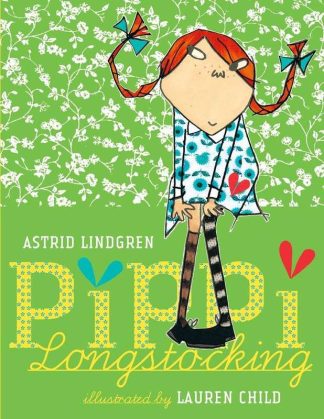
Pippi Longstocking
€14.00 Add to basket -

Pippi Longstocking and the Snirkle Hunt
€9.90 Add to basket
Showing 1–16 of 17 resultsSorted by latest